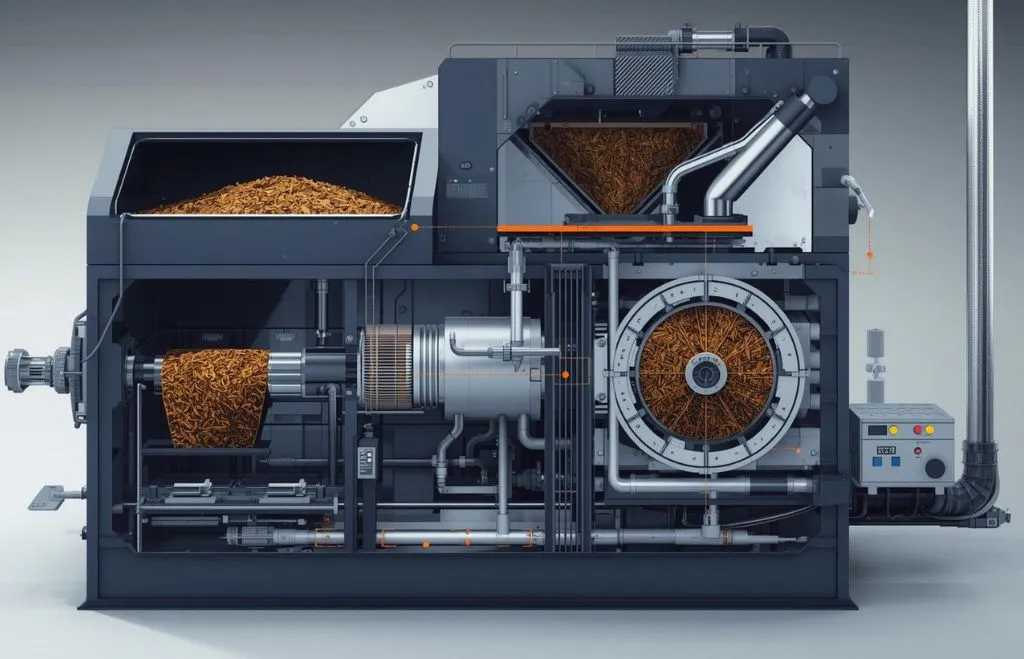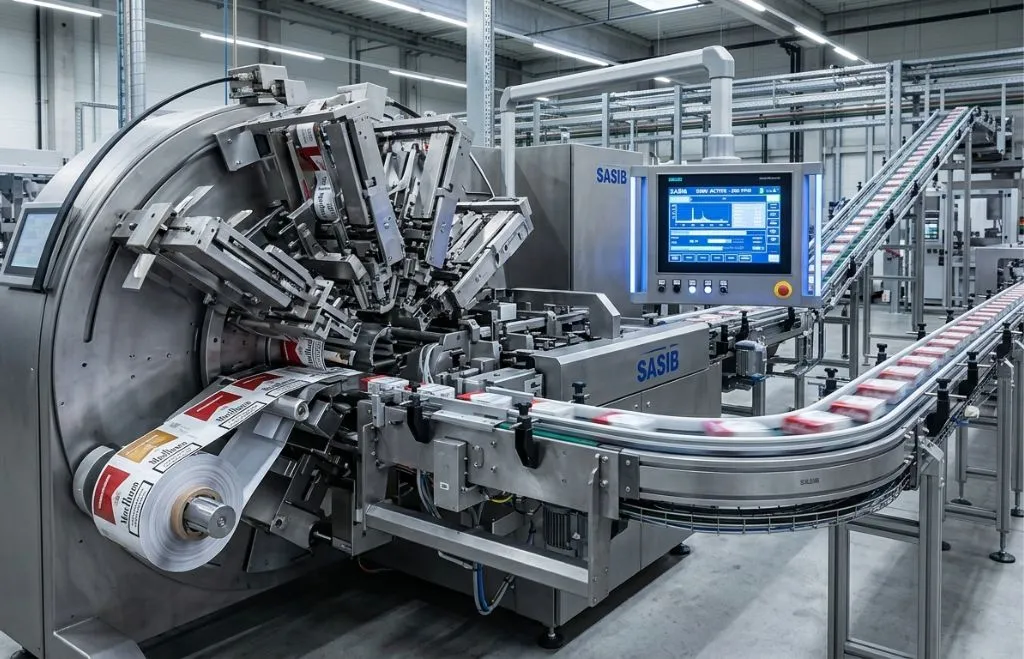

PLC Control Systems play a crucial role in modern tobacco manufacturing. From streamlining production lines to ensuring consistent product quality, these systems are at the heart of automation processes in the tobacco industry. With the increasing demand for efficiency and reliability, manufacturers are relying more on advanced control systems to manage their operations effectively.
How PLC Control Systems Enhance Tobacco Manufacturing
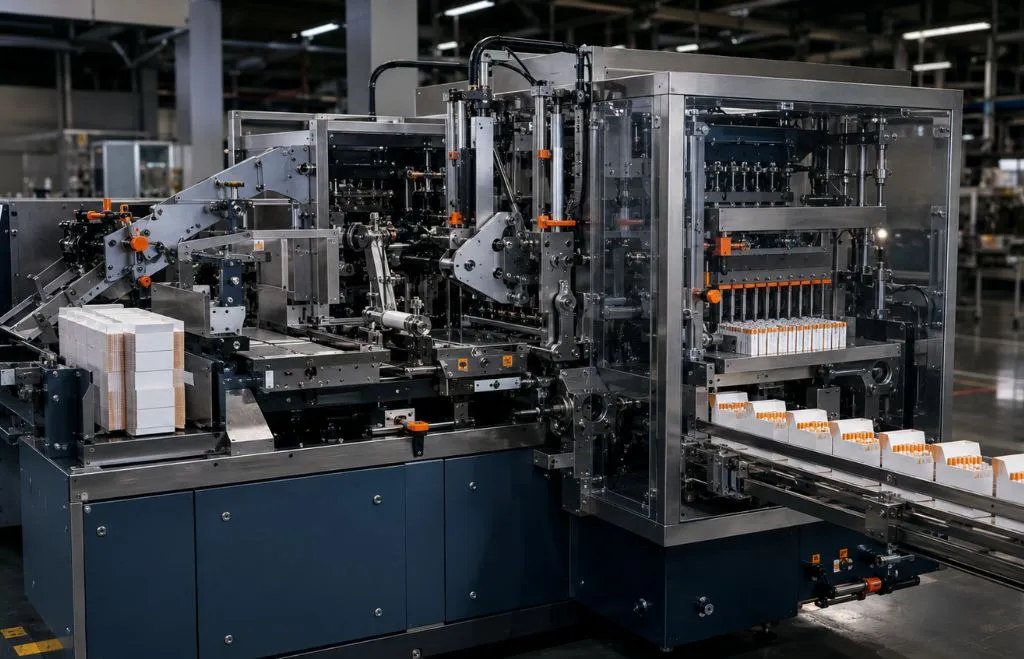
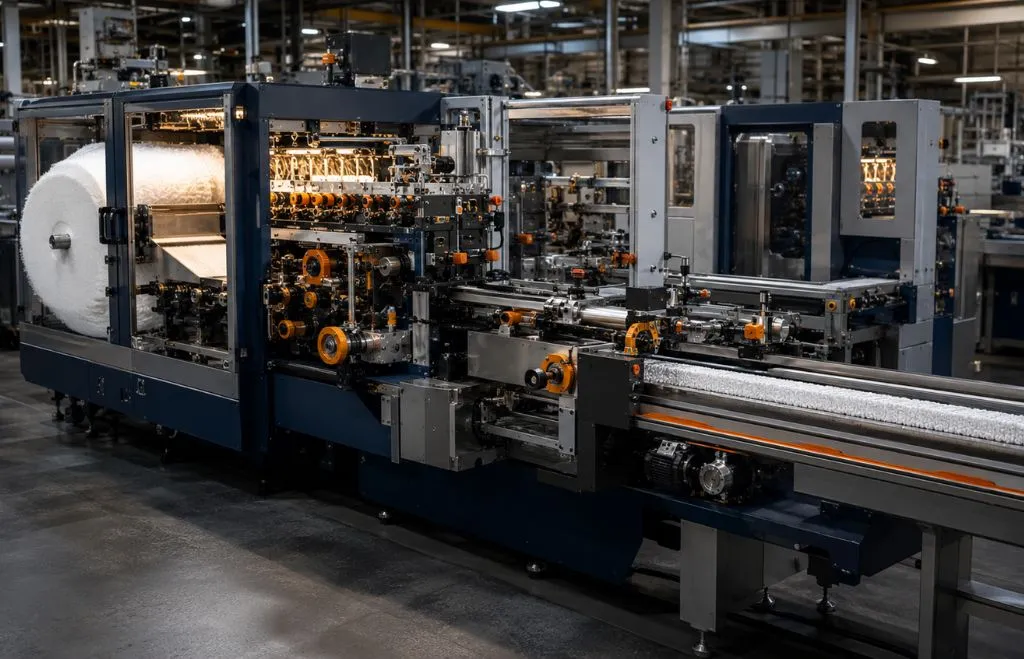
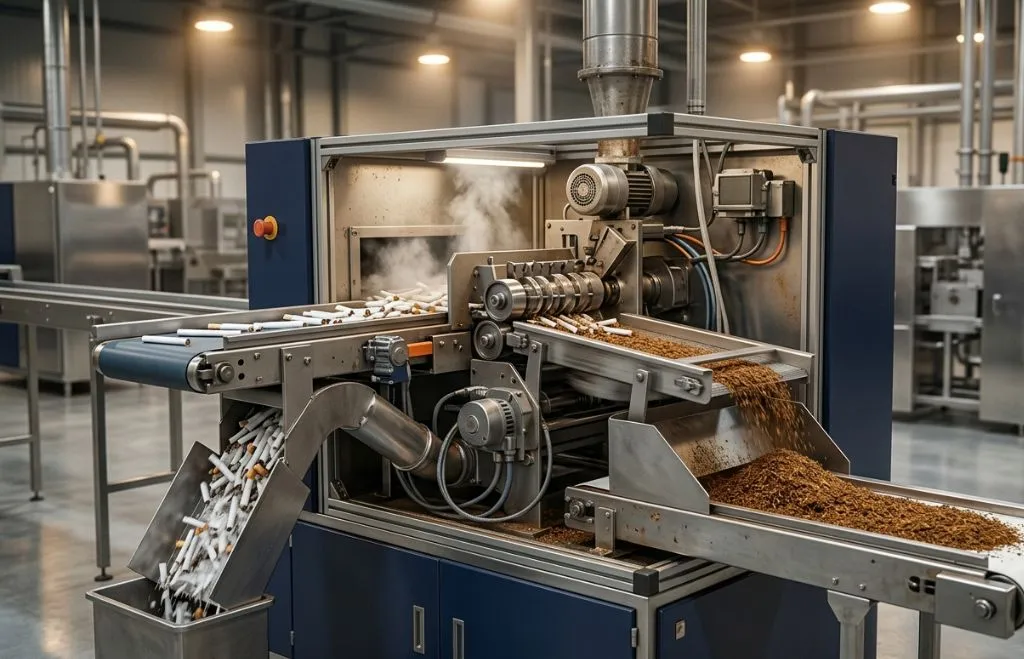
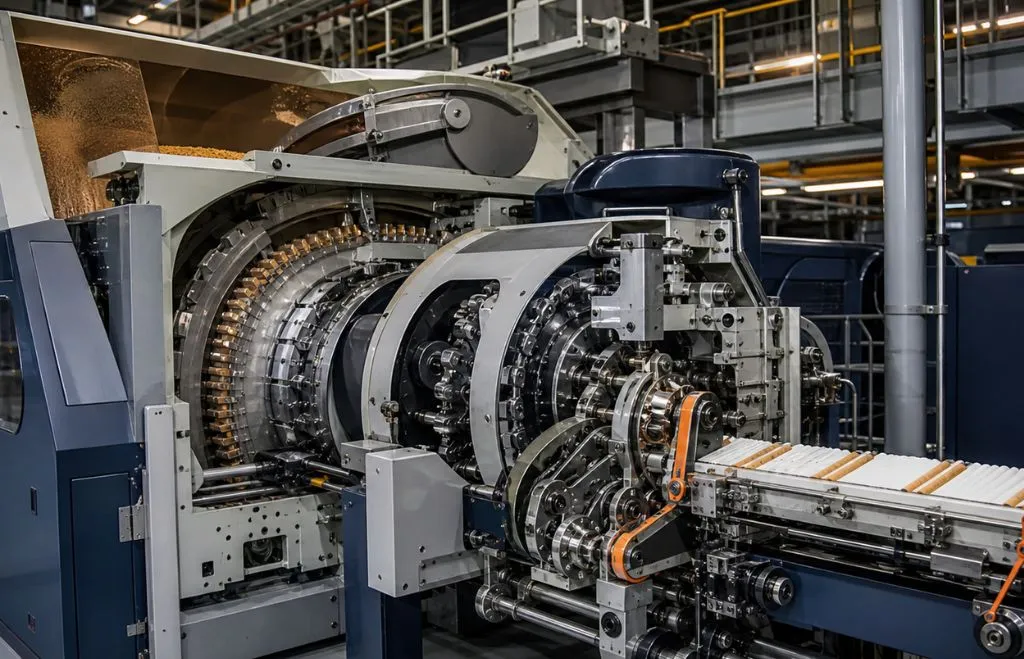
PLC Control System in tobacco factories manage a wide range of tasks, from monitoring machinery to controlling production parameters. In cigarette manufacturing, for example, these systems regulate the speed of cigarette rolling machines, manage tobacco feed rates, and control packaging operations. The use of PLC Control Systems in USA has led to noticeable improvements in production efficiency and product consistency, helping manufacturers meet high consumer demands.
By integrating PLC Control System, factories can reduce downtime caused by mechanical failures. These systems monitor the health of machines in real-time and alert operators when maintenance is required, ensuring smooth operations throughout the production cycle. This capability is especially vital in high-speed environments where even minor interruptions can lead to significant losses.
Key Functions of PLC Control Systems in Tobacco Manufacturing
1. Automation of Production Lines
PLC Control System automate complex processes in tobacco manufacturing. From handling tobacco leaves to wrapping cigarettes, automation reduces human error and increases operational efficiency.
2. Monitoring and Control
With real-time data collection, PLC Control System enable manufacturers to monitor machine performance and environmental conditions. Operators can adjust parameters instantly, ensuring that production remains consistent and uninterrupted.
3. Quality Management
In the tobacco industry, uniformity in product quality is essential. PLC Control System help maintain consistent tobacco weight, cigarette length, and packaging standards. This ensures that each product meets industry regulations and customer expectations.
4. Energy Management
Efficient energy usage is crucial in manufacturing. PLC Control System can manage energy consumption by controlling motor speeds, heating elements, and ventilation systems, reducing operational costs.
5. Safety Enhancement
Tobacco manufacturing involves high-speed machines that can pose risks to workers. PLC Control System integrate safety mechanisms that stop machines in case of malfunctions, minimizing accidents on the production floor.
Popular PLC Control Systems in Tobacco Factories
Many tobacco manufacturers utilize well-known industrial PCs (IPC) along with PLC systems to enhance control capabilities. Siemens IPC is widely recognized for its reliability and robustness in industrial automation. In tobacco manufacturing, Siemens IPC integrates seamlessly with PLC systems, providing detailed monitoring, real-time reporting, and efficient control of production lines. Its versatility makes it ideal for managing high-speed cigarette production processes and ensuring smooth operations across all stages of manufacturing.
BECKHOFF IPC, on the other hand, is known for its flexibility and high performance in automation environments. When paired with PLC systems in tobacco factories, BECKHOFF IPC enables precise control over machinery, data collection, and process optimization. Its ability to handle complex production tasks and adapt to varying manufacturing setups makes it a valuable tool for modern cigarette production lines, supporting efficiency and operational reliability.
Industry Integration and Suppliers
Tobacco Machinery Suppliers and Cigarette Machinery Suppliers increasingly recommend integrating PLC Control System to modernize production lines. These systems not only streamline manufacturing but also improve data collection, making it easier to analyze production metrics and plan future operations.
Regional Considerations
Tobacco manufacturers in the USA are leveraging PLC Control Systems to comply with strict regulatory standards, using automation to ensure consistent product quality while meeting the high-volume demands of both local and international markets. Similarly, in Canada, PLC Control Systems IPC are gaining popularity in tobacco manufacturing for their ability to optimize operations while maintaining regulatory compliance, allowing Canadian manufacturers to adapt the system to different production setups, from traditional cigarette lines to modern heated tobacco devices.
Advantages of PLC Control System
| Advantage | Benefit in Tobacco Manufacturing |
|---|---|
| Automation | Reduces human intervention and errors |
| Real-time Monitoring | Detects issues before they cause downtime |
| Energy Efficiency | Optimizes power consumption in machines |
| Product Consistency | Maintains uniformity in cigarette production |
| Safety Integration | Minimizes workplace accidents |
Future Trends in PLC Control for Tobacco
The future of tobacco manufacturing involves even greater integration of smart PLC systems with IoT devices. These advancements will enable manufacturers to monitor production remotely, predict maintenance needs, and make data-driven decisions in real-time. The adoption of AI-driven analytics combined with PLC Control System will further enhance production efficiency and operational insight. Click here for more details
Common FAQs About PLC Control System in Tobacco Manufacturing
Q1: What is the role of PLC Control System in tobacco production?
PLC Control System automate and monitor production processes, ensuring efficiency, safety, and consistent product quality in tobacco manufacturing.
Q2: How do PLC Control System improve production efficiency?
They reduce human intervention, provide real-time monitoring, prevent downtime, and optimize machine performance, leading to higher efficiency.
Q3: Are PLC Control Systems used globally in tobacco manufacturing?
Yes, PLC Control Systems in USA and PLC Control Systems IPC in Canada are examples of regional adoption, but many countries use them to streamline tobacco production.
Q4: Can PLC Control System integrate with existing machinery?
Yes, they are compatible with most industrial machines and can work alongside advanced IPCs like Siemens IPC or BECKHOFF IPC for better control and monitoring.
Q5: Do PLC Control System help in maintaining product quality?
Absolutely, they manage critical parameters like tobacco weight, cigarette length, and packaging consistency to ensure uniformity.
Q6: What kind of manufacturers recommend PLC Control Systems?
Tobacco Machinery Suppliers and Cigarette Machinery Suppliers recommend PLC Control System to improve production efficiency and compliance with regulations.