
Cigarette packets have long been more than just containers for tobacco products—they play a significant role in shaping smoking habits. From their design and imagery to the way they are marketed, cigarette packets affect both the perception and behavior of smokers. In countries like the USA and Canada, where smoking regulations are strict, cigarette packets have become a central tool in influencing consumer choices.
Understanding the psychology behind cigarette packets is crucial for both public health initiatives and the tobacco industry. While some smokers are drawn to certain designs, others may be deterred by warning labels. This blog explores the various ways cigarette packets influence smoking behavior, the role of product design, and emerging trends in the cigarette industry.
How Design and Packaging Shape Smoking Behavior
The design of cigarette packets plays a pivotal role in influencing smoking habits. Several elements, including colors, fonts, and graphics, can subtly attract or repel smokers. Research in behavioral psychology shows that consumers often make choices based on visual cues before considering the product itself.
For instance, soft pack cigarettes are often perceived as modern and sleek, appealing to younger demographics. The tactile experience of opening a soft pack, coupled with its compact design, can make smoking feel more convenient and stylish. On the other hand, slim cigarettes often come in slender packets that are associated with sophistication and elegance. This perception can influence a smoker’s decision to choose one brand over another, even if the taste is similar.
In the USA and Canada, where public health campaigns emphasize the dangers of smoking, the packaging often carries prominent warning labels. However, cigarette packets with bold designs can sometimes override these warnings in terms of visual appeal. This demonstrates the dual role of packaging: both as a health deterrent and a marketing tool.
The Role of Branding and Imagery
Branding is a key component of cigarette packets. Logos, colors, and imagery create a strong brand identity that can influence loyalty and habit formation. For example, bright, vibrant colors are often linked with a sense of energy or youthfulness, while darker shades can suggest maturity or premium quality.
In addition, cigarette packets often use imagery that evokes lifestyle aspirations. Smokers may associate certain brands with social success, relaxation, or adventure. These associations are particularly noticeable in the marketing of slim cigarettes, which often emphasize elegance and sophistication in their packaging.
Furthermore, the design of cigarette packets can impact perceived value. A well-designed packet may make a smoker feel that the product is higher quality, even if the tobacco is identical to a less stylish alternative. This perception can drive repeat purchases and strengthen smoking habits over time.
Cigarette Paper and Its Influence
The type of cigarette paper used also plays a role in consumer preference. Some smokers have a strong affinity for thin or slow-burning cigarette paper, which can affect the taste and duration of smoking. Packaging that highlights these features can influence which products a smoker chooses. For example, cigarette packets that mention “ultra-thin cigarette paper” or “slow burn” can appeal to smokers seeking a particular smoking experience.
In Canada and the USA, regulations require clear labeling of tobacco products, but cigarette paper variations are often subtly highlighted to differentiate brands. This small detail, combined with the overall packaging, can guide habitual smoking behavior without the smoker consciously realizing it.
Soft Pack Cigarettes vs. Hard Pack
The distinction between soft pack cigarettes and hard packs is more than just tactile. Soft packs are generally seen as more portable and convenient, which can make them more appealing for daily use. They also compress more easily in pockets or bags, increasing their convenience factor.
Hard packs, by contrast, often suggest durability and premium quality. Smokers may perceive a hard pack as offering better protection for their cigarettes, which can affect the frequency and context in which they smoke. Both types of packaging influence habits in subtle ways, from when and where a person smokes to how often they purchase cigarettes.
Global Trends and Market Insights
In recent years, the tobacco industry has adapted to changing consumer behaviors in the USA and Canada. Slim cigarettes and flavored options have gained popularity among younger adults, largely due to the visual appeal of cigarette packets. Packaging that emphasizes elegance, compactness, or modernity often sees higher sales among these demographics.
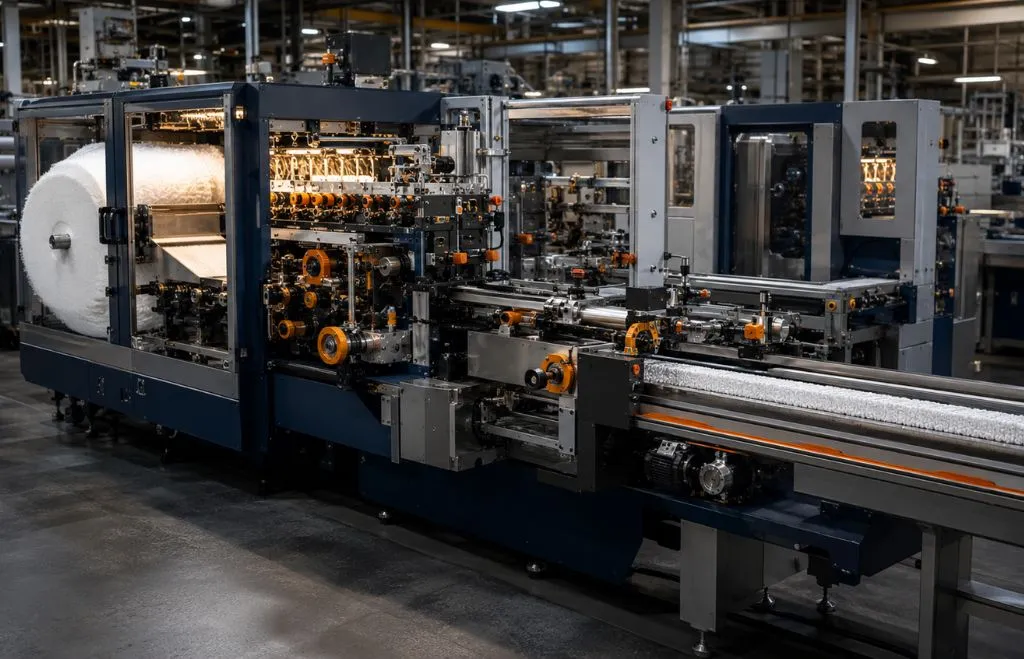
Moreover, technological advancements in cigarette machinery have allowed manufacturers to experiment with packaging formats and paper types more efficiently. Some brands now use recyclable materials or innovative designs to attract eco-conscious smokers, subtly influencing brand loyalty through packaging alone.
Cigarette Machinery Suppliers play a crucial role in producing these innovative packs, ensuring that the quality and aesthetics of the packets meet both consumer expectations and regulatory standards.
Table: Key Factors in Cigarette Packet Influence
| Factor | Description | Example |
|---|---|---|
| Design & Colors | Visual appeal impacts first impressions | Soft pack cigarettes with bright colors |
| Branding | Logos and imagery influence loyalty | Slim cigarettes marketed as elegant |
| Cigarette Paper | Paper type affects taste & burn | Slow-burning ultra-thin cigarette paper |
| Packaging Type | Convenience & perception | Hard pack vs. soft pack cigarettes |
| Warning Labels | Regulatory impact | Graphic health warnings in Canada & USA |
Psychological Mechanisms Behind Packaging Influence
Several psychological mechanisms explain why cigarette packets influence smoking habits:
- Association – Smokers link certain packet designs with emotions or lifestyles.
- Perception of Quality – High-quality packaging may create a sense of premium taste.
- Social Identity – Using specific brands or types, such as slim cigarettes, can signal social status.
- Habit Formation – Convenient packaging encourages regular use by making cigarettes easy to carry and access.
In combination, these factors reinforce smoking habits and brand loyalty, particularly in markets with strict advertising restrictions like the USA and Canada.
FAQs
Q1: Do cigarette packets really affect smoking behavior?
Yes, the design, imagery, and type of cigarette packet can influence perception, brand loyalty, and even the frequency of smoking.
Q2: How do soft pack cigarettes differ from hard packs?
Soft packs are more portable and flexible, often appealing to younger smokers, while hard packs suggest durability and premium quality.
Q3: Does cigarette paper matter to smokers?
Absolutely. Thin or slow-burning cigarette paper affects taste, smoking duration, and overall experience, which can influence brand choice.
Q4: Are slim cigarettes more popular because of packaging?
Packaging plays a role. Slim cigarette packets are often marketed with elegant designs, appealing to aesthetics and perceived sophistication.
Q5: How do regulations in the USA and Canada impact cigarette packets?
Strict labeling and graphic warnings are required, but innovative design and subtle branding elements still influence consumer habits.
Conclusion
Cigarette packets are far more than simple containers; they are influential tools that shape smoking behavior through design, branding, and convenience. From soft pack cigarettes to slim cigarettes and cigarette paper choices, every element can subtly impact a smoker’s decisions. In regions like the USA and Canada, where regulations are strict, packaging remains one of the few areas where tobacco companies can differentiate themselves.
Understanding the psychological and behavioral impact of cigarette packets can inform public health strategies while highlighting the subtle power of design and packaging in consumer behavior. Whether through innovative packet formats or the careful use of branding and imagery, cigarette packets will continue to influence smoking habits for years to come.