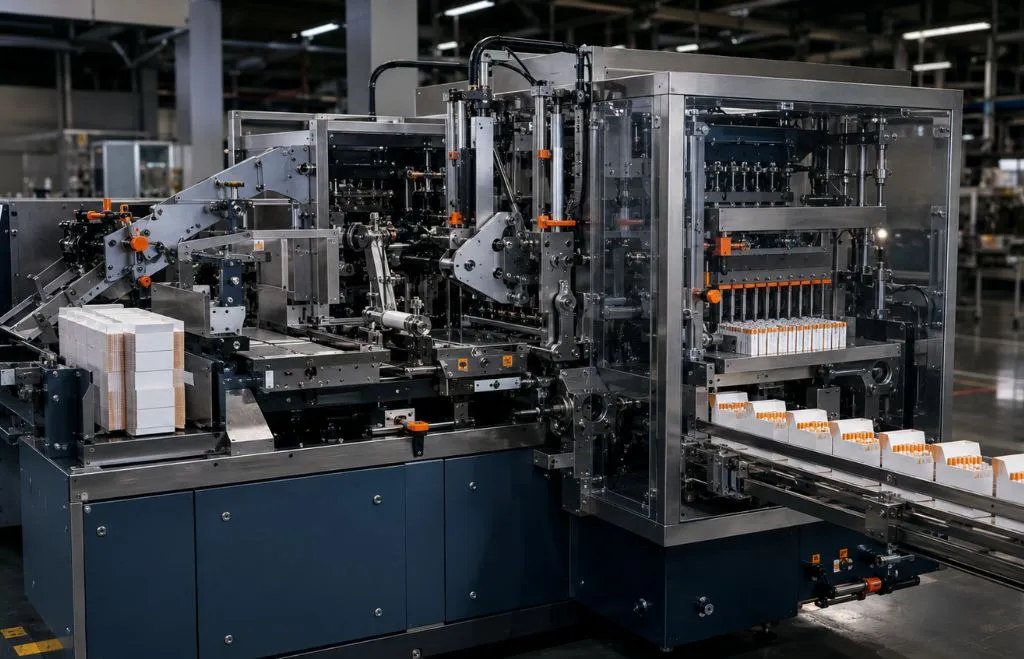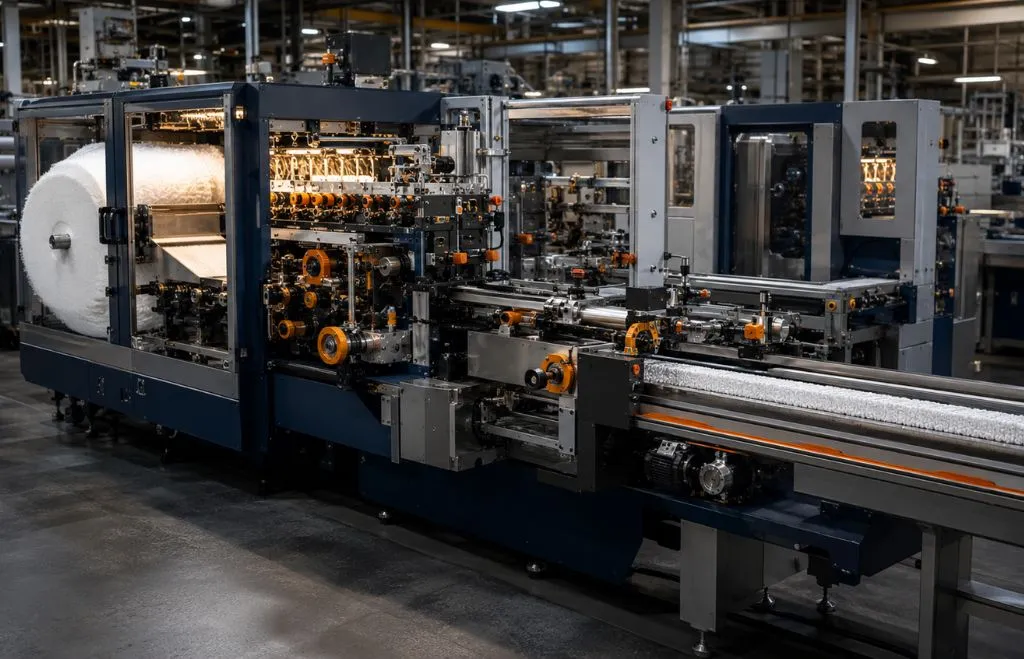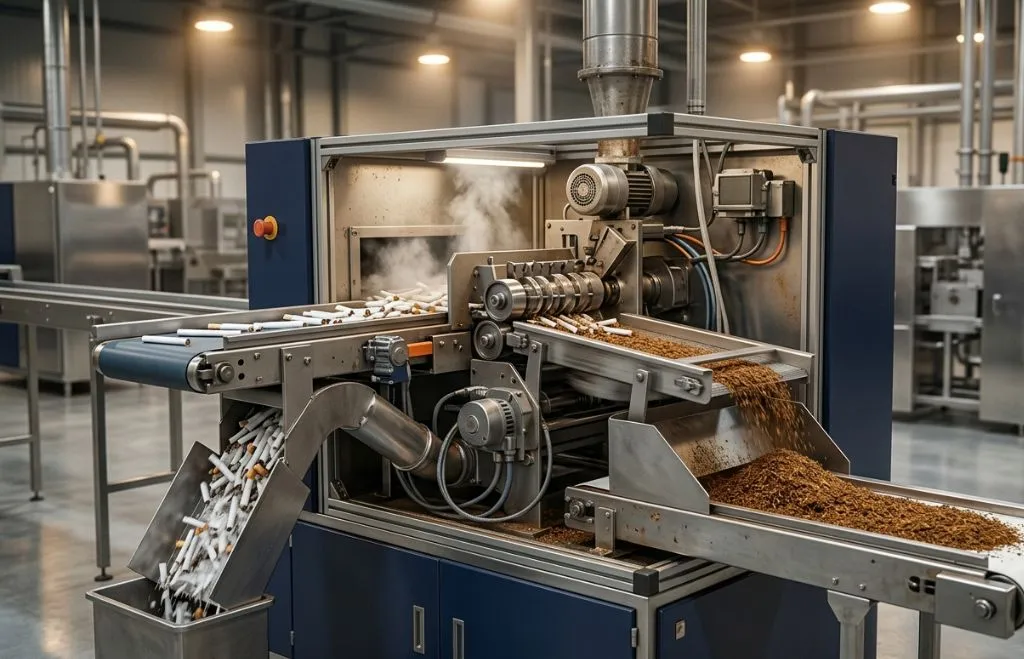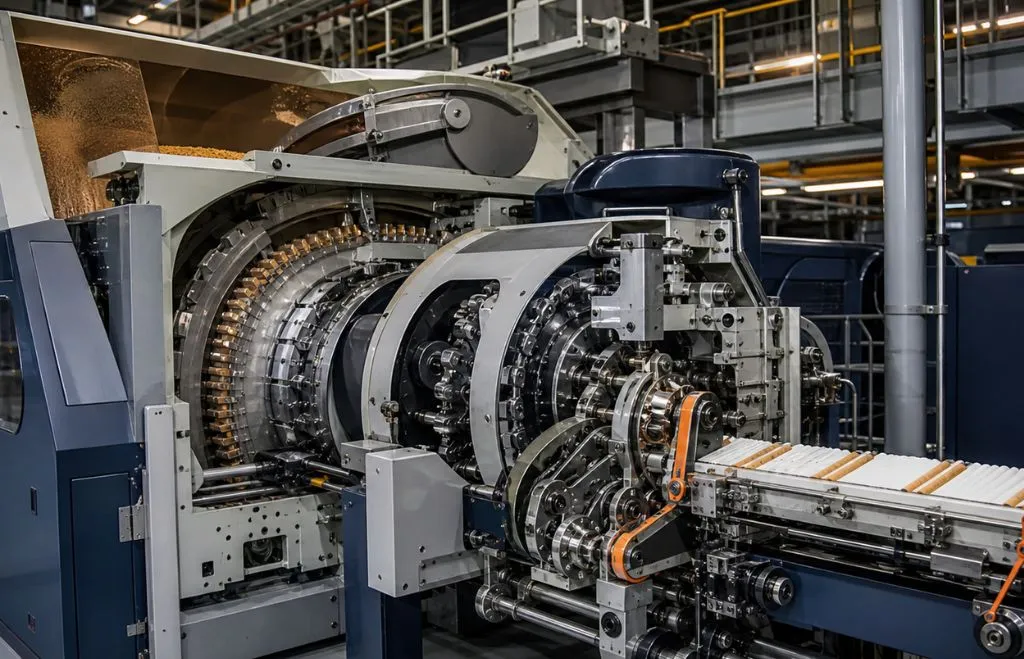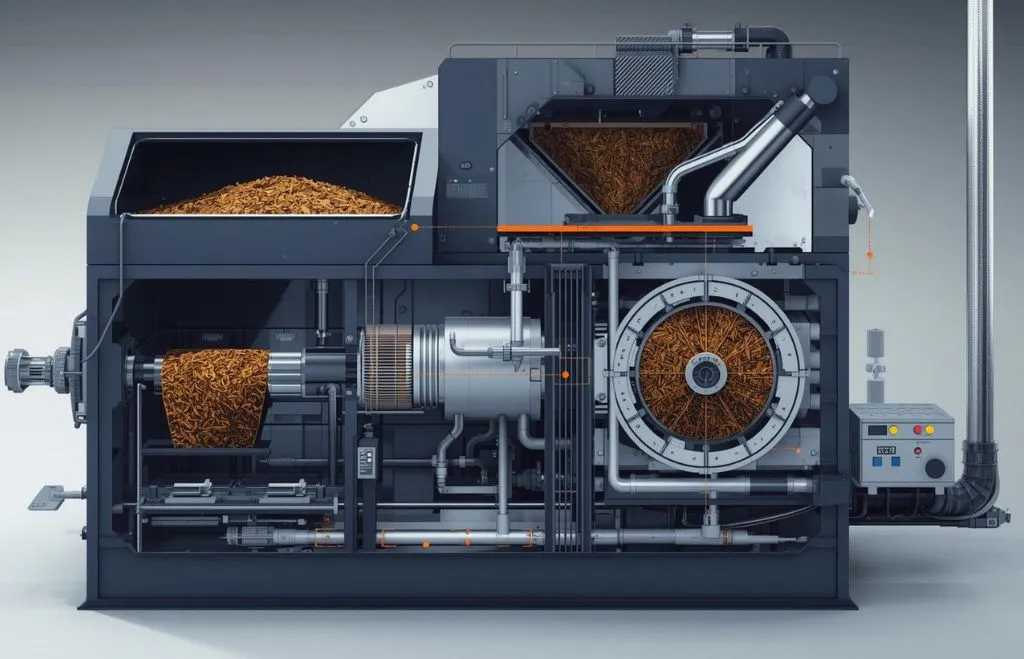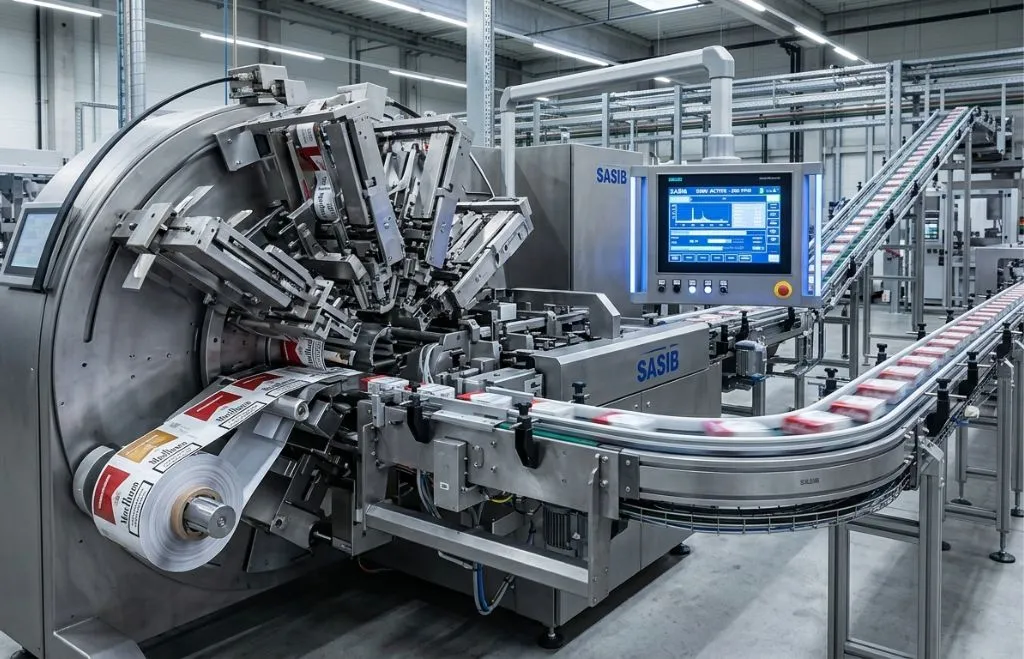

Cigarette machinery technology trends in 2026 are being shaped by three converging forces — tightening quality standards from export buyers, rising energy costs pushing factories toward more efficient machine platforms, and the growing demand for HNB and reduced-risk product capacity from factories that already have Körber Protos infrastructure. Understanding which technology trends are genuinely changing investment decisions — and which are still emerging — helps factory buyers and production managers prioritize upgrade spending correctly.
Six Technology Trends Shaping Cigarette Machinery in 2026
| Technology Trend | What It Delivers | Who It Affects | Investment Priority |
| AI quality control sensors | Below 1% waste — 95%+ machine efficiency | High-speed factories upgrading to M5 | High — directly reduces material cost |
| Servo drive integration | Precise speed control — energy savings | Factories with older relay-driven makers | Medium — retrofit or new machine decision |
| Industry 4.0 data integration | Predictive maintenance — remote diagnostics | All factories with export buyer audit requirements | High — sustainability and compliance driven |
| HNB product line investment | New revenue stream — same factory infrastructure | Factories with existing Körber Protos platform | Medium — market demand dependent |
| Refurbished machine upgrading | IPC retrofit — extending machine life 10+ years | Mid-scale factories on Protos 70 or Mark 9 | High — significant cost vs new machine |
| Slim format capacity expansion | Growing slim demand — existing line reconfiguration | Factories in Asian and Eastern European markets | Medium — format specific demand driven |
Trend 1 — AI-Assisted Quality Control: From Sampling to Continuous Monitoring
What is happening: The Körber Protos M5e introduced approximately 370 quality and process sensors in a single cigarette making machine — monitoring weight, density, visual characteristics, draw roller pressure, fan vibration, and temperature continuously at 12,000 cpm. The sensor data is processed in real time by algorithms that detect developing quality deviations before they produce out-of-specification cigarettes. The result is waste rates below 1 percent and machine efficiency above 95 percent — measurably higher than any previous generation.
Why it matters in 2026: Export buyers from regulated markets are increasingly requiring factories to document quality control methodology — not just quality outcomes. Factories that can demonstrate continuous per-cigarette monitoring rather than periodic sampling achieve better audit scores and fewer buyer-initiated inspection requirements. The M5’s sensor architecture sets the standard that all future quality audit frameworks will reference.
Investment implication: For factories currently on Protos 70 or 80 ER platforms, the M5 upgrade is a major capital decision. For factories planning new line installations, the M5 is the benchmark platform for any factory targeting above 6 billion cigarettes per year. For mid-scale factories on Mark 9 platforms, the M5 is not yet relevant — the correct upgrade path is Protos 70 or 80 ER. For a complete guide to the Protos platform range, see our Körber Protos Cigarette Maker guide.
Trend 2 — Servo Drive Integration: Precision and Energy Savings
What is happening: Servo drive integration across cigarette making and packing machines is accelerating in 2026 — driven by two factors. First, energy costs have increased significantly in most manufacturing regions, making the energy efficiency improvements from servo-driven machines a financially measurable benefit. Second, the precision improvement from servo drives over older electromechanical drive systems produces measurable quality improvements — particularly in cut length consistency and filter attachment alignment.
Mark 9.5 — the servo upgrade path: The Molins Mark 9.5 is a Lenze servo drive-equipped variant of the Mark 9 platform. Factories with Mark 9N installations can upgrade to Mark 9.5 servo specification as a refurbishment rather than a new machine purchase — extending the platform’s productive life by 10 or more years while delivering precision and energy improvements. This upgrade path is one of the most cost-effective technology investments available to mid-scale factories in 2026.
Investment implication: For factories with Mark 8 or Mark 9 platforms more than 10 years old, servo drive retrofit or Mark 9.5 upgrade is a high-priority technology investment. For factories planning new installations, servo drive specification should be a minimum requirement on any machine platform at any speed tier. For a complete guide to how Lenze servo drives improve machine control, see our How Lenze Servo Drives Improve Machine Control guide.
Trend 3 — Industry 4.0 Data Integration
What is happening: Industry 4.0 — the integration of production machines with digital data systems for real-time monitoring, predictive maintenance, and remote diagnostics — is moving from aspirational to operational in tobacco factories in 2026. Export buyers from regulated markets increasingly require factories to demonstrate structured data collection from production machinery as part of sustainability and quality compliance audit frameworks.
What it means practically: A factory with Industry 4.0-integrated machinery can provide export buyers with machine efficiency data, quality rejection rates, downtime event logs, and maintenance records from the production line — automatically and continuously. A factory running machines without data integration must compile this data manually — which is time-consuming, prone to error, and produces less detailed records than automated systems.
Beckhoff and Siemens IPC: The IPC control platforms on the Protos 80 ER — Siemens or Beckhoff — are both Industry 4.0 capable. They support remote diagnostics, data export to factory management systems, and predictive maintenance scheduling based on sensor data. For factories on Protos 80 ER with IPC controls, Industry 4.0 integration is a software and connectivity investment — not a machine replacement. For a guide to these control platforms, see our What Is Beckhoff IPC guide and Why Siemens IPC Is Used in Cigarette Machinery guide.
Trend 4 — HNB Product Line Investment
What is happening: Heated Not Burned (HNB) tobacco products — where tobacco is heated to produce aerosol rather than burned to produce smoke — continue to grow in volume in 2026 in key markets including Japan, South Korea, Russia, and parts of Europe. Körber Technologies has been developing HNB production machinery since the 1980s and now offers a complete HNB stick production line that can be integrated alongside conventional cigarette making infrastructure.
Why it is relevant in 2026: Factories with existing Körber Protos infrastructure can evaluate HNB capability as a revenue diversification option — using existing factory space, operator skills, and supply chain relationships while adding a new product category. The capital investment for a dedicated HNB line is significant — but the market growth trajectory in regulated markets makes it a strategically important evaluation for any factory with export ambitions in those markets.
Investment implication: HNB investment is a strategic market access decision — not a technology upgrade decision. Factories should evaluate HNB investment based on their specific export market portfolio and buyer relationships rather than the technology trend alone.
Trend 5 — Refurbished Machine Upgrading: Extending Platform Life
What is happening: In 2026 the refurbished cigarette machine market remains the most active segment of the global tobacco machinery market — driven by the large global installed base of Protos 70, Protos 80 ER, Mark 9, and SASIB packing machines from factories upgrading to newer platforms. For factories buying refurbished machines, the 2026 trend is toward professionally rebuilt units with IPC control upgrades rather than as-is machines at lower prices.
IPC retrofit trend: Specialist rebuilders are increasingly offering Protos 70 and Mark 9 refurbishments that include Siemens or Beckhoff IPC control system retrofits — combining the mechanical value of an established platform with the data integration and remote diagnostics capability of current-generation controls. This hybrid approach extends the productive life of proven mechanical platforms at significantly lower cost than new machine investment.
Investment implication: For factories evaluating refurbished machine purchases in 2026, specifying IPC control retrofit as part of the rebuild specification delivers long-term value that justifies a moderate premium over as-is refurbished pricing. For a complete guide to evaluating refurbished machine purchases, see our New vs Refurbished Cigarette Manufacturing Machines guide.
Trend 6 — Slim Format Capacity Expansion
What is happening: Slim and super slim cigarette formats continue to grow in volume in 2026 — particularly in Asian and Eastern European markets where slim formats represent an increasing proportion of total cigarette sales. Factories serving these markets are reconfiguring existing making lines for slim format production or adding dedicated slim format capacity.
Production speed implication: All major making machine platforms produce slim and super slim formats at approximately 14 percent lower speed than standard formats — the Protos 70 produces 6,000 cpm for slim versus 7,000 cpm for standard. Factories expanding slim format capacity must account for this speed reduction when calculating required making machine count for their target slim format volume.
Investment implication: For factories adding slim format capacity, the decision between reconfiguring an existing standard format line versus investing in a dedicated slim format line depends on the ratio of slim to standard in the production mix. A factory where slim represents above 40 percent of total volume typically benefits from dedicated slim format machine investment. For a complete guide to slim format production requirements, see our How Slim Cigarette Production Works guide.
Frequently Asked Questions
What are the main cigarette machinery technology trends in 2026?
The six main cigarette machinery technology trends in 2026 are: AI-assisted quality control with 370+ sensors on the Protos M5e delivering below 1 percent waste; servo drive integration improving precision and reducing energy consumption; Industry 4.0 data integration for predictive maintenance and buyer audit compliance; HNB product line investment for market diversification; refurbished machine upgrading with IPC control retrofits; and slim format capacity expansion driven by Asian and Eastern European market demand growth.
What is Industry 4.0 in cigarette machinery?
Industry 4.0 in cigarette machinery refers to the integration of making and packing machines with digital data systems for real-time monitoring, predictive maintenance, and remote diagnostics. Machines with IPC control platforms — Siemens or Beckhoff on the Protos 80 ER — are Industry 4.0 capable. They can provide export buyers with automated quality data, machine efficiency records, and maintenance logs — increasingly required in sustainability and quality compliance audits from regulated market buyers.
What is the Molins Mark 9.5 servo upgrade?
The Molins Mark 9.5 is a Lenze servo drive-equipped variant of the Mark 9 platform. Factories with Mark 9N installations can upgrade to Mark 9.5 servo specification as a refurbishment — extending the platform’s productive life by 10 or more years while improving precision and reducing energy consumption. It is one of the most cost-effective technology investments available to mid-scale factories in 2026.
Should I invest in HNB machinery in 2026?
HNB machinery investment is a strategic market access decision — not a technology upgrade. Evaluate HNB investment based on your specific export market portfolio and buyer relationships. Factories with export ambitions in Japan, South Korea, Russia, or regulated European markets where HNB has established significant market share should evaluate the investment. Körber Technologies offers a complete HNB production line compatible with existing Protos infrastructure.
What is the most cost-effective cigarette machinery technology investment in 2026?
For mid-scale factories on Protos 70 or Mark 9 platforms, the most cost-effective technology investment in 2026 is typically servo drive integration or IPC control retrofit on a refurbished machine — extending the platform’s productive life and adding data integration capability at significantly lower cost than new machine investment. For factories planning new line installations, AI-assisted quality control specification on the Protos M5 delivers measurable material cost reduction that justifies the premium over older platform pricing.
Conclusion
Cigarette machinery technology trends in 2026 are reshaping investment decisions across all factory size tiers — from AI quality control on M5 platforms for large-scale manufacturers to servo drive retrofits and IPC upgrades for mid-scale operators. The common thread is that technology investment in 2026 must deliver measurable production, quality, or compliance outcomes — not just capability upgrades that are not utilized. For a complete overview of all cigarette making machine platforms and how they compare on technology capability, see our What Is a Cigarette Making Machine guide. For tobacco machinery suppliers in USA who supply current-generation and refurbished cigarette machinery technology, see our dedicated suppliers page.