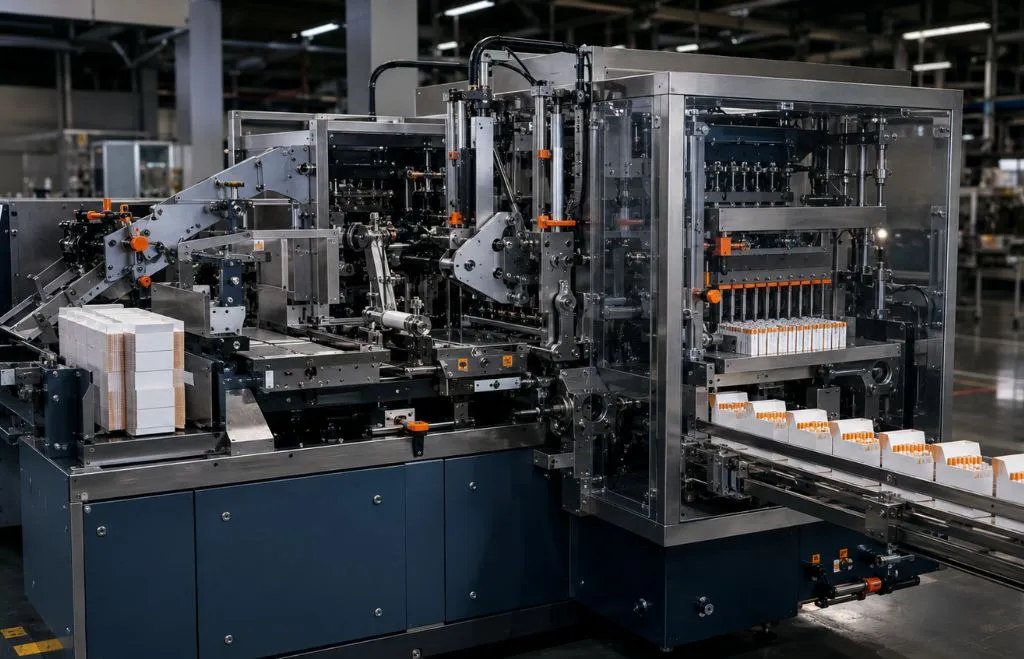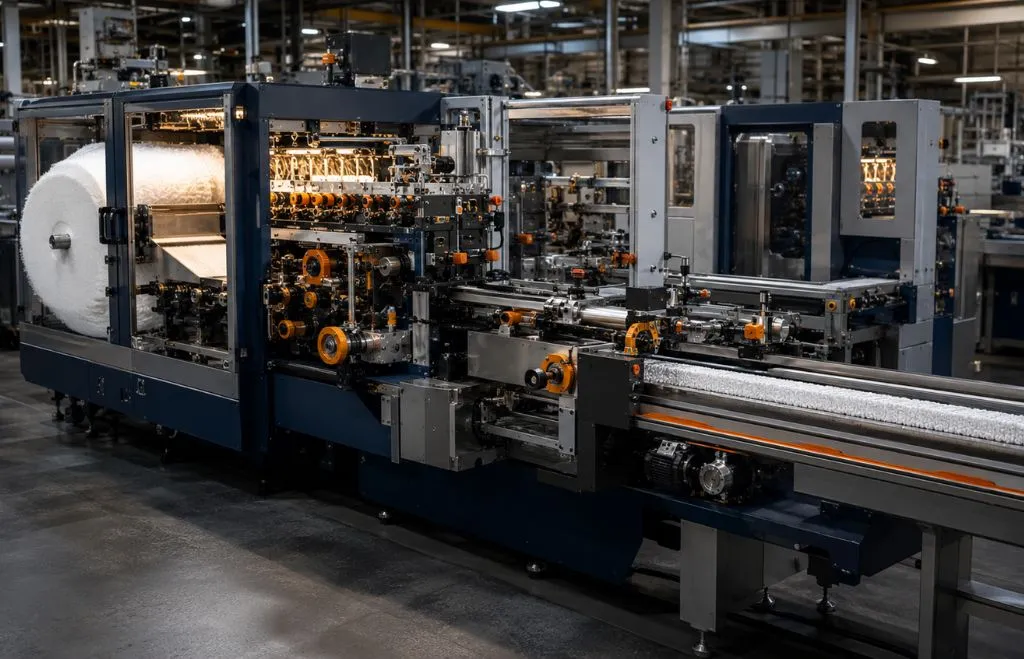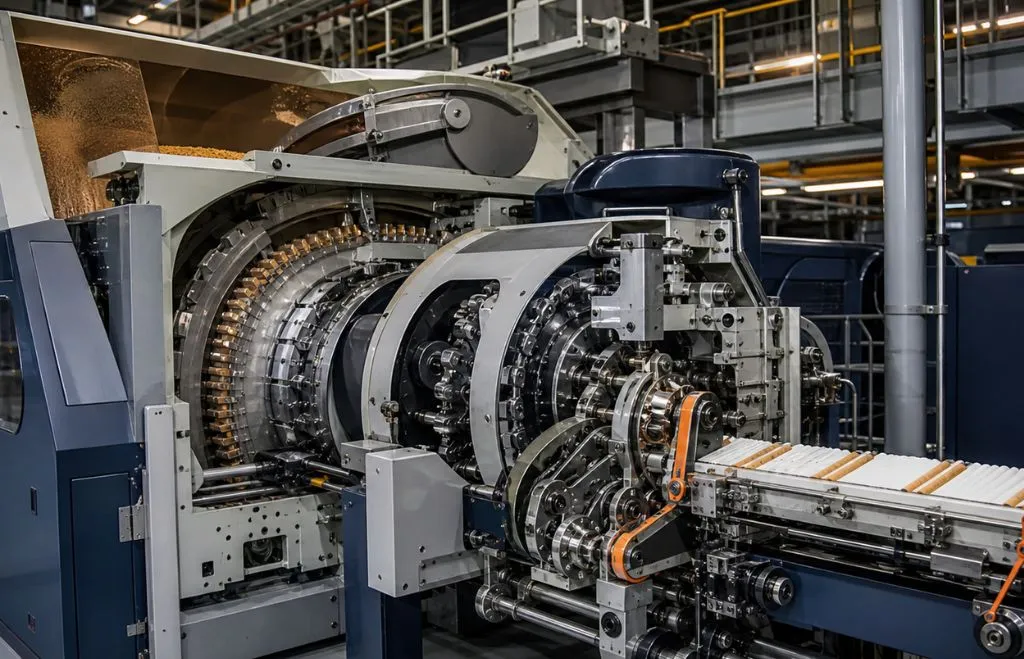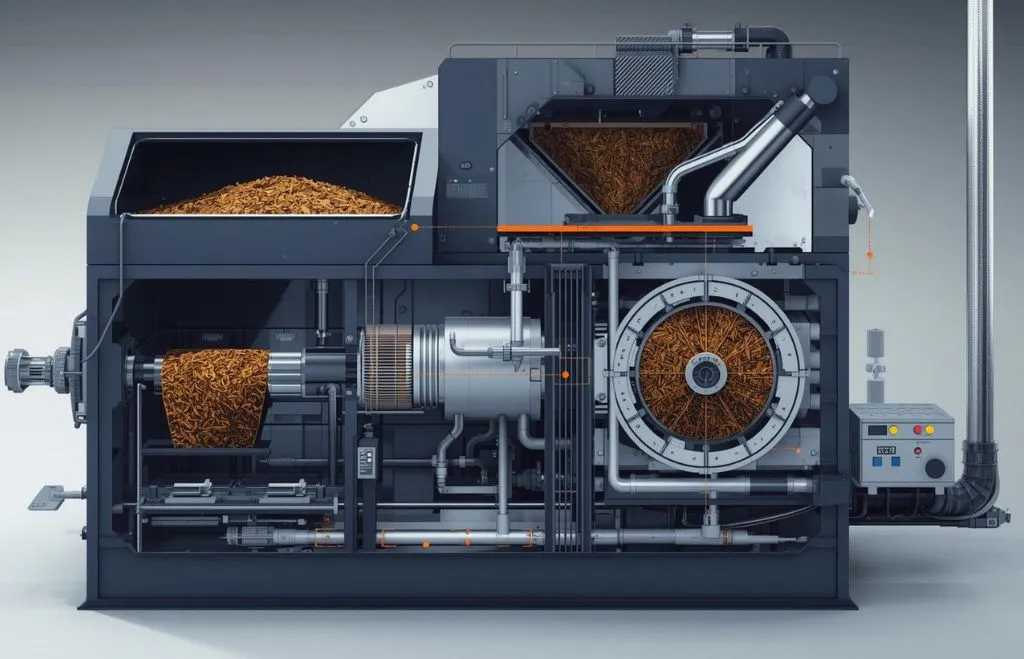
A cigarette reclaimer works by processing rejected cigarettes and recovering up to 95 percent of the cut tobacco inside them — making it one of the most cost-effective pieces of equipment a tobacco factory can operate. Every production line generates waste — rejected cigarettes from quality control, rod break-outs, packing line rejects, and end-of-run clearances. Without a reclaimer, that tobacco is written off as waste. With one, up to 95 percent of that tobacco is recovered, cleaned, and fed back into the production stream. For a factory producing millions of cigarettes per shift, the value of reclaimed tobacco adds up to tens of thousands of dollars per year in direct material savings. This guide explains exactly how a cigarette reclaimer works, the 7-stage process from reject input to clean tobacco output, the types available, verified specifications, and how to source one in the USA.
What Is a Cigarette Reclaimer Machine?
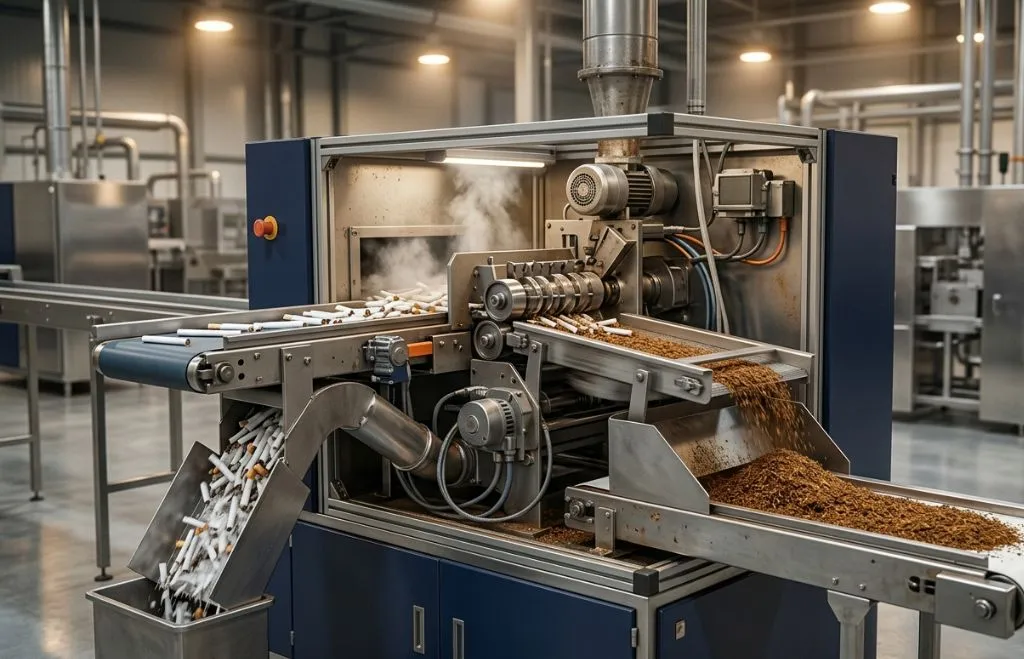
A cigarette reclaimer machine — also called a tobacco reclaimer or tobacco recovery machine — is a standalone piece of equipment that processes rejected cigarettes and recovers the cut tobacco filler inside them for reuse in production.
It receives rejected cigarettes from four primary sources:
- Quality control rejection from the cigarette maker — underweight, overweight, or deformed rods
- Filter attachment rejects — cigarettes with missing or misaligned filters
- Packing line rejects — cigarettes rejected during tray filling, packing, or overwrapping
- End-of-run and format change clearances — cigarettes cleared from the line during changeovers
The reclaimer separates tobacco filler from cigarette paper, filter, and tipping paper — recovering clean, reusable cut tobacco ready to be fed back into the making machine’s tobacco feed system. For context on how the reclaimer fits within the full production line, see our guide to Cigarette Production Line Equipment: From Raw Tobacco to Finished Pack.
How a Cigarette Reclaimer Works: The 7-Stage Process
Industrial cigarette reclaimers follow a consistent 7-stage process regardless of brand or model. Understanding each stage helps factory engineers specify the right machine and troubleshoot performance issues.
Stage 1: Reject Feed — Manual or Tipper Unit Input
Rejected cigarettes are fed into the reclaimer’s bulking section either manually by operators or automatically via a Tipper Unit connected to the making or packing machine’s reject output. An elevating band conveyor transports product at a controlled rate to the next stage. Controlling the feed rate is essential — overloading the reclaimer reduces separation efficiency and degrades tobacco quality.
Stage 2: Conditioning — Steam Treatment
The rejected cigarettes pass through a steaming tube. Steam softens the adhesive on the cigarette paper seam and the tipping paper around the filter joint, making it significantly easier for the subsequent mechanical opening stages to separate paper from tobacco without tearing paper into small fragments that would contaminate the recovered tobacco.
Stage 3: Metering — Controlled Flow to Reclaiming Section
Conditioned cigarettes are discharged onto a metering unit that delivers them to the reclaiming section at a consistent, controlled throughput rate. Consistent metering is critical — variable feed rates create uneven opening performance, reducing recovery efficiency and increasing the risk of paper contamination in recovered tobacco.
Stage 4: Opening — 2-Stage Pneumatic Separation
The opening process uses two stages to maximize tobacco recovery yield. Each stage uses a pneumatic transport system to loosen and remove tobacco filler from cigarette papers and filters. The two-stage approach achieves high recovery rates while maintaining tobacco quality. CME’s high-efficiency reclaimer uses serrated rollers rather than pneumatic pressure as the primary opening mechanism — a non-invasive approach that further reduces tobacco degradation compared to air-blast systems.
Stage 5: Sieving — Tobacco Separation from Waste Materials
After the opening stages, the product travels over a vibratory sieve conveyor. The twin lane sieving conveyor — as used in Orchid Tobacco’s reclaimer design — separates loose tobacco particles from cigarette papers, filter rods, and tipping paper fragments. Tobacco passes through the sieve to a collection station below, while papers and filters continue across the sieve surface to the waste collection system.
Stage 6: Paper Removal — Suction Nozzle Cleaning
Any small paper fragments that passed through the sieve with the tobacco are removed by suction nozzles positioned above the tobacco collection conveyor. This final cleaning stage is essential for ensuring recovered tobacco meets the quality standard required for direct reuse in production. Paper contamination in reclaimed tobacco causes rod formation defects and affects cigarette weight consistency.
Stage 7: Dust Collection and Waste Disposal
Tobacco dust generated by the pneumatic systems is collected in dedicated filter units — maintaining a clean production environment and preventing dust build-up that would create fire and hygiene risks. Papers, filter plugs, and other non-tobacco waste are collected in bins or processed in a briquetting machine for compaction and disposal.
Types of Cigarette Reclaimer Machines
Standard Inline Reclaimer — Orchid Tobacco / Izipart Type
How it works: Bulking section + elevating conveyor + conditioning + metering + two-stage pneumatic opening + twin lane sieving conveyor + suction paper removal. The most widely deployed reclaimer configuration globally.
| Machine type | Tobacco reclaimer — inline production type |
| Capacity | 60 kg per hour of waste cigarettes |
| Efficiency | 99.8% |
| Recovery rate | 90%+ reusable tobacco recovery |
| Operation | Easy installation, simple to operate |
| Separation method | Twin lane sieving conveyor |
| Output | Reclaimed tobacco ready for immediate reuse |
High-Efficiency Reclaimer — CME Automation Systems Type
How it works: Serrated roller opening mechanism replaces pneumatic air-blast system. Non-invasive separation preserves tobacco cut length and blend integrity. Higher recovery rate and lower degradation than standard pneumatic designs.
| Machine type | Tobacco reclaimer — high-efficiency separation system |
| Capacity | 100 kg per hour of rejected cigarettes |
| Recovery rate | Up to 95% usable tobacco recovery |
| Separation technology | Serrated rollers — non-invasive, no knives |
| Key benefit | Preserves tobacco quality — no degradation during reclaim |
| Footprint | Compact — space-saving design |
| Contaminant removal | Filters, paper, and packaging separated cleanly |
| Reuse readiness | Reclaimed tobacco ready for immediate reintegration |
Standard vs High-Efficiency Reclaimer: Comparison
| Feature | Standard Reclaimer | High-Efficiency Reclaimer (CME) |
| Capacity | 60 kg/hour | 100 kg/hour |
| Recovery rate | 90%+ | Up to 95% |
| Separation method | Sieving conveyor | Serrated rollers — non-invasive |
| Tobacco degradation risk | Low | Very low — no knives |
| Footprint | Standard | Compact |
| Best for | Standard production waste | High-volume, quality-sensitive lines |
| Price range | $15,000 – $40,000 | $40,000 – $80,000+ |
Key decision: For most standard production environments a conventional reclaimer at 60 kg/hour and 90%+ recovery is fully sufficient. The high-efficiency CME type is worth the premium for factories with high daily reject volumes, sensitive blend compositions, or strict reclaimed tobacco quality standards.
Why Every Factory Needs a Cigarette Reclaimer: The ROI Case
The financial case for a cigarette reclaimer is straightforward. Consider a factory producing 5,000 cpm on a three-shift operation — approximately 7.2 billion cigarettes per year. Industry-standard reject rates of 1 to 2 percent mean 72 to 144 million rejected cigarettes per year. At an average tobacco content of 0.7 grams per cigarette, this represents 50,000 to 100,000 kg of tobacco in rejected product per year.
At a conservative tobacco cost of $5 per kg, that is $250,000 to $500,000 in tobacco value leaving the factory as waste annually — without a reclaimer. A high-quality cigarette reclaimer recovering 90 to 95 percent of that tobacco recovers $225,000 to $475,000 in material value per year. The payback period on a $30,000 to $80,000 reclaimer is typically 1 to 4 months.
This is why experienced factory managers consider a cigarette reclaimer essential equipment rather than optional. For more on equipment ROI and capital planning, see our guide to Cigarette Manufacturing Machine Cost in 2026.
Sourcing a Cigarette Reclaimer in the USA
New reclaimers: Available from specialist tobacco machinery manufacturers including CME Automation Systems and Orchid Tobacco Machinery. Lead times for new equipment typically run 8 to 16 weeks depending on supplier and configuration.
Refurbished reclaimers: The secondary market is smaller than for making or packing machines but active. Specialist tobacco machinery dealers in the USA and Europe periodically list used reclaimers from factory upgrades or closures. Prices for refurbished units typically range from $8,000 to $25,000 depending on brand, age, and condition.
What to verify before buying:
- Confirm throughput capacity matches your factory’s reject volume
- Check sieve condition — the twin lane sieving conveyor is the highest-wear component
- Verify the conditioning steam system is functional and properly calibrated
- Test at full capacity with your specific cigarette format before accepting delivery
- Confirm dust filtration system meets your factory’s environmental and safety standards
For guidance on identifying and vetting specialist tobacco machinery suppliers in the USA, see our procurement guide: How to Source Cigarette Machinery Suppliers in the USA.
Maintenance Requirements
Sieving conveyor: The twin lane sieving conveyor is the primary wear component. Sieve mesh condition must be inspected regularly — torn or blocked mesh reduces separation efficiency and allows paper fragments to contaminate recovered tobacco.
Suction nozzles: Paper removal suction nozzles require regular cleaning to prevent partial blockage from tobacco dust and paper fragment accumulation. Partially blocked nozzles reduce paper removal efficiency and increase contamination of recovered tobacco.
Conditioning system: Steam conditioning pipe and distribution system must be inspected for scale build-up and blockage. Consistent steam delivery is required for effective adhesive softening — inconsistent conditioning causes poor paper separation in the opening stages.
Dust filtration: Filter units require regular filter media replacement. Filter condition directly affects dust emission levels and fire risk management in the production environment.
Metering feed section: The metering unit must be calibrated regularly to maintain consistent throughput. Variable metering creates uneven opening performance and reduces recovery yield.
Frequently Asked Questions
What is a cigarette reclaimer machine?
A cigarette reclaimer machine is a tobacco waste recovery machine that processes rejected cigarettes and recovers the cut tobacco filler inside them for reuse in production. It separates tobacco from cigarette paper, filter rods, and tipping paper through a 7-stage process — recovering 90 to 95 percent of the tobacco value from waste cigarettes.
How much tobacco does a cigarette reclaimer recover?
Standard cigarette reclaimers achieve a recovery rate of 90 percent or more of usable tobacco from rejected cigarettes. High-efficiency designs such as the CME reclaimer achieve up to 95 percent recovery. At these rates the financial value of recovered tobacco typically pays back the machine’s purchase price within 1 to 4 months for medium to large-scale production facilities.
What is the capacity of a cigarette reclaimer machine?
Cigarette reclaimer capacity is measured in kilograms of waste cigarettes processed per hour. Standard reclaimers typically handle 60 kg per hour. High-efficiency designs such as the CME reclaimer process up to 100 kg per hour. Capacity selection should be based on your factory’s peak reject volume across all production lines.
Where does reclaimed tobacco go after processing?
Reclaimed tobacco is fed back into the making machine’s tobacco feed system — typically introduced into the hopper or central pneumatic feed system that supplies the cigarette maker. Quality standards for reclaimed tobacco must be verified before reintegration to ensure blend consistency.
How much does a cigarette reclaimer cost?
New cigarette reclaimers typically range from $15,000 to $80,000 depending on type, capacity, and brand. Standard inline reclaimers at 60 kg/hour typically range from $15,000 to $40,000. High-efficiency designs at 100 kg/hour typically range from $40,000 to $80,000 or more. Refurbished reclaimers are available from $8,000 to $25,000 depending on age and condition.
Can a cigarette reclaimer handle all cigarette formats?
Most industrial cigarette reclaimers handle standard format cigarettes — king size 84mm and 100mm. Format compatibility for slim and super slim cigarettes should be confirmed with the supplier before purchase, as the sieving conveyor and metering system must be adjusted for different cigarette diameters.
Is a cigarette reclaimer the same as a cigarette making machine?
No. A cigarette reclaimer is a waste tobacco recovery machine. A cigarette making machine manufactures cigarettes from cut tobacco filler. They are completely different machines operating at different stages of the production process.