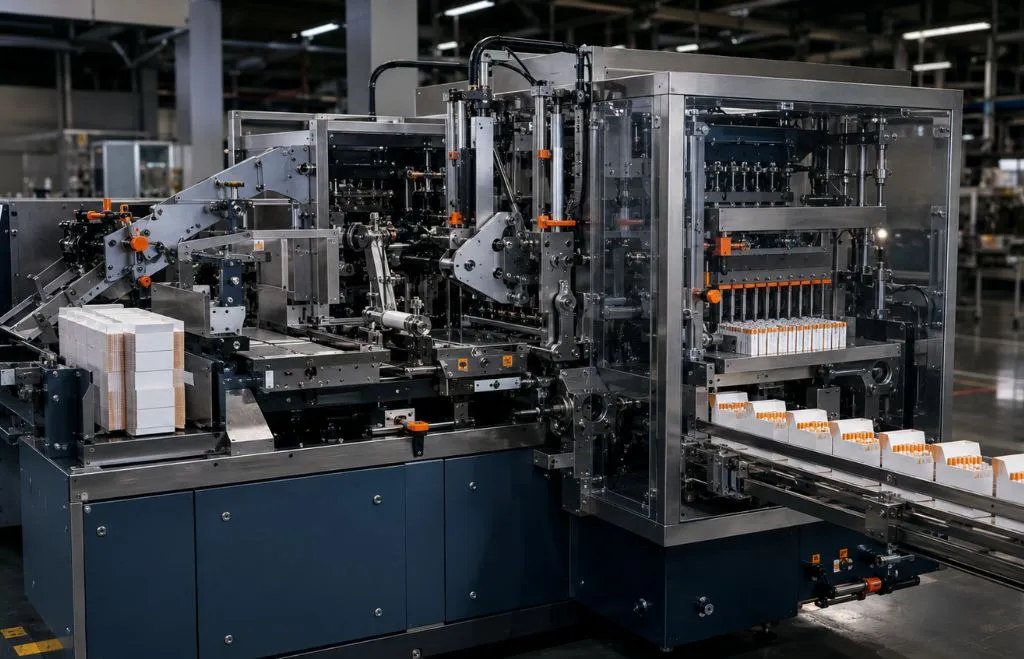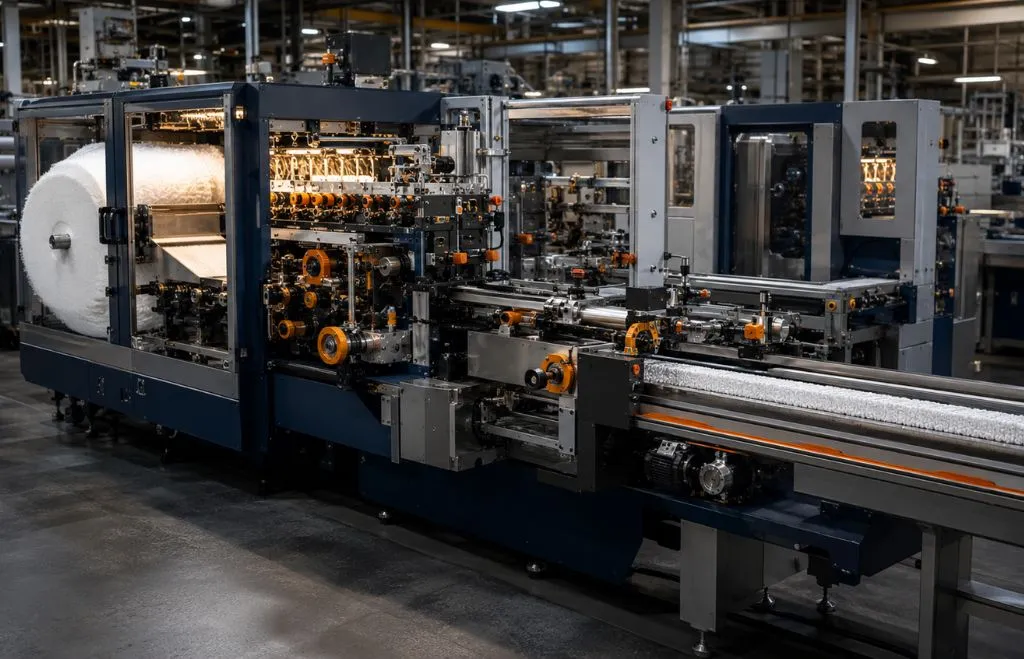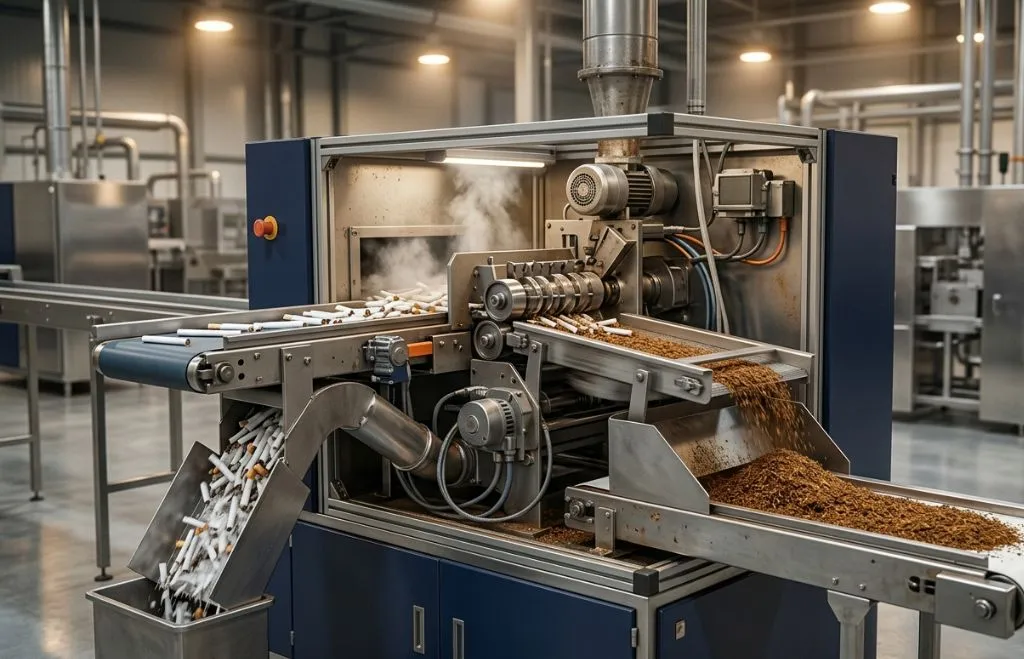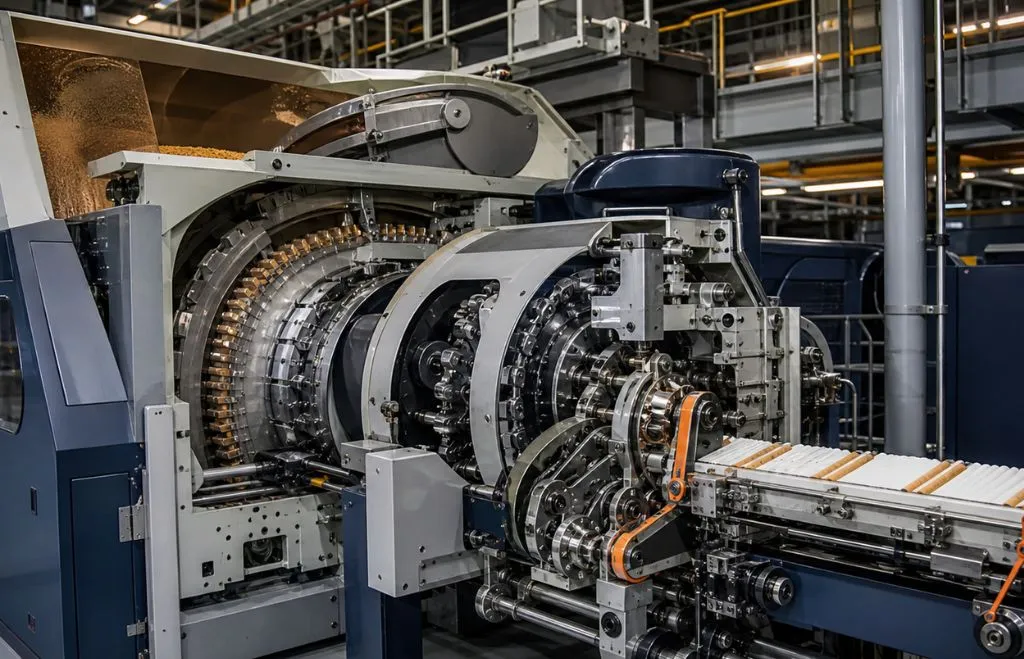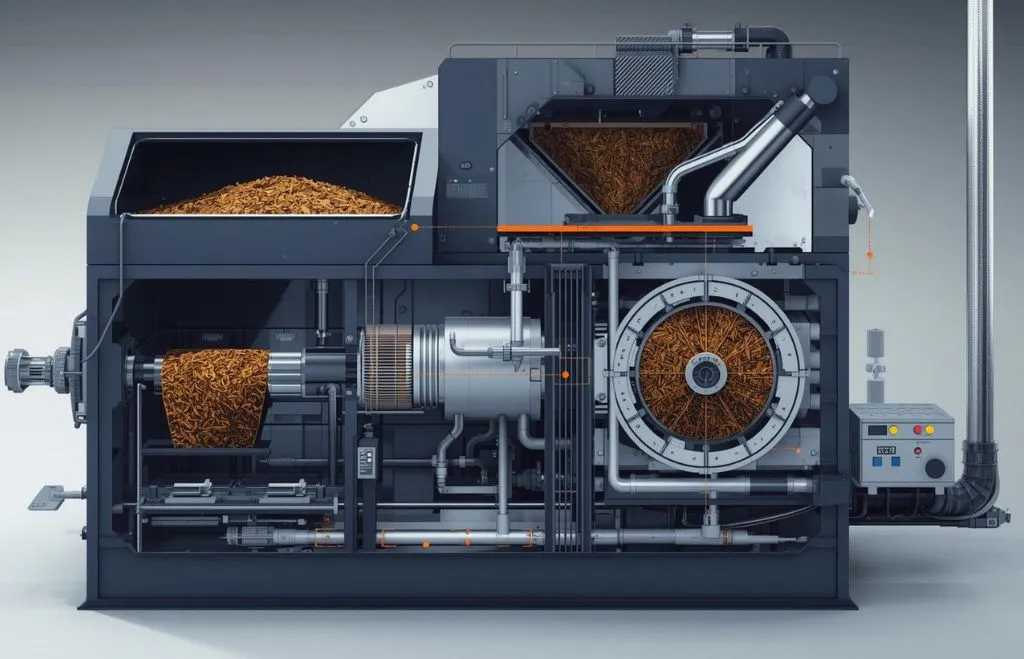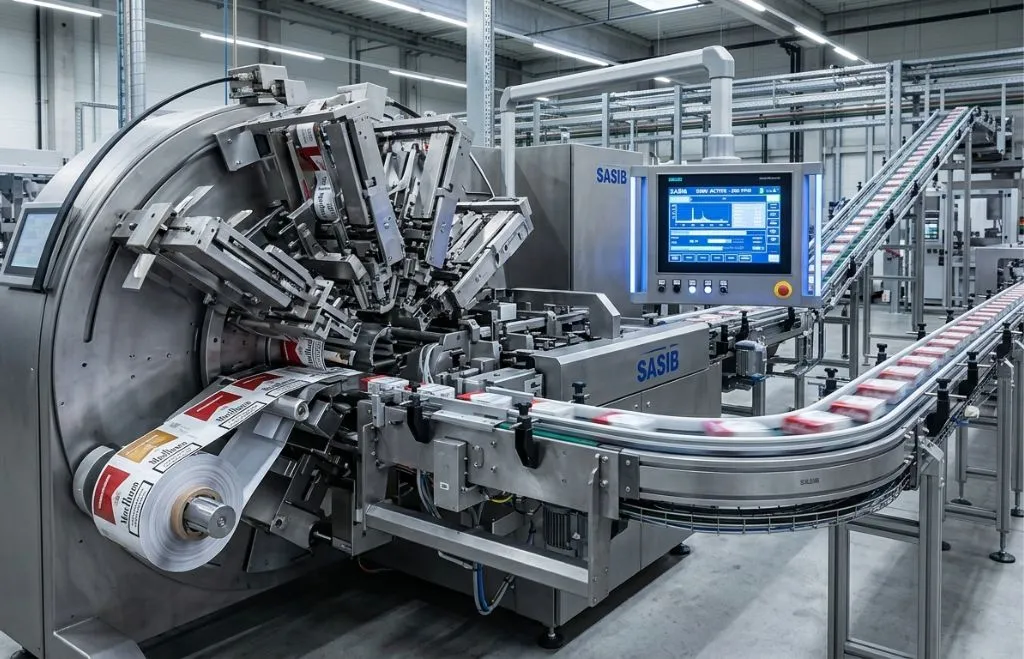
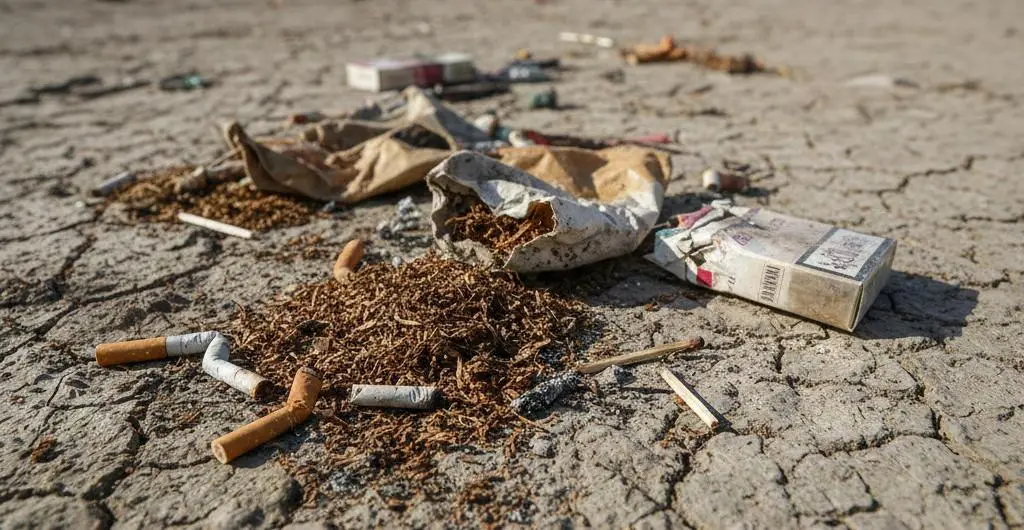
Understanding how a tobacco reclaimer works starts with the problem it solves — every cigarette production line generates rejected cigarettes from quality control, packing line rejects, and format change clearances, and without a recovery system that tobacco is written off as waste. A tobacco reclaimer processes those rejected cigarettes through a 7-stage separation process and recovers 90 to 95 percent of the cut tobacco inside them as clean reusable material. For a factory producing at 5,000 cpm on three shifts, the annual tobacco value recovered by a reclaimer can exceed $250,000 — making it one of the fastest-payback investments in any cigarette factory.
Where Cigarette Waste Comes From in a Tobacco Factory
Cigarette waste is not a single stream — it is generated at multiple stages across the production line. Understanding each source helps factory managers identify where a tobacco reclaimer will have the biggest impact.
| Waste Stream | Source in Factory | Recovery Method |
| Rejected cigarettes | Quality control rejects from maker and packer | Tobacco reclaimer — recovers 90 to 95% of tobacco |
| Tobacco dust | Primary processing — cutting and blending stages | Dust collection systems — reintroduced to blend |
| Tobacco stems and midribs | Primary leaf processing — stripping stage | Stem chopping machine — reprocessed into cut filler |
| Reconstituted tobacco offcuts | RTL sheet processing | Collected and reblended into cut filler |
| Cigarette paper trim | Rod making garniture section | Paper waste collection — externally recycled |
| Filter rod offcuts | KDF cutting stage | Acetate waste — specialist disposal |
| Packing material waste | Packing and overwrapping stages | Paper and foil — external recycling contractors |
The most economically significant waste stream is the rejected cigarette stream — quality control rejects from the making machine and packing machine. This stream contains whole cigarettes with intact tobacco filler that can be recovered and reused directly. For a full overview of how each stage of the production line generates waste, see our guide to Cigarette Production Line Equipment.
How a Tobacco Reclaimer Works: The 7-Stage Process
Stage 1 — Reject infeed: Rejected cigarettes are fed into the reclaimer’s bulking section either manually by operators or automatically via a tipper unit connected to the making or packing machine’s reject output. An elevating band conveyor transports product at a controlled rate into the machine. Controlling the feed rate is essential — overloading the reclaimer reduces separation efficiency.
Stage 2 — Steam conditioning: The rejected cigarettes pass through a steaming tube. Steam softens the adhesive on the cigarette paper seam and the tipping paper around the filter joint — making it significantly easier for the subsequent mechanical opening stages to separate paper from tobacco without tearing paper into fragments that would contaminate the recovered tobacco.
Stage 3 — Metering: Conditioned cigarettes are discharged onto a metering unit that delivers them to the reclaiming section at a consistent controlled rate. Variable feed rates create uneven opening performance and reduce recovery efficiency — consistent metering is critical for high recovery rates.
Stage 4 — Two-stage pneumatic opening: The opening process uses two stages to maximize tobacco recovery. Each stage uses pneumatic transport to loosen and remove tobacco filler from cigarette papers and filters. The two-stage approach achieves high recovery rates while maintaining tobacco quality. High-efficiency reclaimer designs use serrated rollers rather than pneumatic pressure — a non-invasive approach that further reduces tobacco degradation.
Stage 5 — Sieving: After opening, the product travels over a vibratory sieve conveyor. The twin-lane sieving conveyor separates loose tobacco particles from cigarette papers, filter rods, and tipping paper fragments. Tobacco passes through the sieve to a collection station below while papers and filters continue across the surface to the waste collection system.
Stage 6 — Suction paper removal: Any small paper fragments that passed through the sieve with the tobacco are removed by suction nozzles positioned above the tobacco collection conveyor. This final cleaning stage is essential — paper contamination in reclaimed tobacco causes rod formation defects and affects cigarette weight consistency at the making machine.
Stage 7 — Dust collection and waste disposal: Tobacco dust generated by the pneumatic systems is collected in dedicated filter units — maintaining a clean production environment and preventing dust buildup that creates fire and hygiene risks. Papers, filter plugs, and other non-tobacco waste are collected in bins or processed in a briquetting machine for compaction and disposal.
The Economic Case for a Tobacco Reclaimer
The financial argument for a tobacco reclaimer is straightforward. Consider a factory producing 5,000 cpm on three shifts — approximately 7.2 billion cigarettes per year. At industry-standard reject rates of 1 to 2 percent, this means 72 to 144 million rejected cigarettes per year — each containing approximately 0.7 grams of cut tobacco.
Without a reclaimer: At a conservative tobacco cost of $5 per kilogram, the annual tobacco value leaving the factory as waste is $250,000 to $500,000 — written off every year.
With a reclaimer recovering 90 to 95 percent: $225,000 to $475,000 in tobacco value is recovered annually and reintegrated into production.
Payback period: A high-quality tobacco reclaimer costs $15,000 to $80,000 new. At the recovery values above, the payback period is typically 1 to 4 months — making it one of the fastest-payback investments in any cigarette factory.
For full specifications of the two main reclaimer types and how to source one, see our dedicated guide: Cigarette Reclaimer Machine: How It Works, Types and Buyer Guide.
What Happens to Recovered Tobacco
Recovered tobacco from the reclaimer is not simply dumped back into the production stream without verification. The correct process is:
- Quality check — confirm paper contamination is below the acceptable threshold before reuse
- Moisture check — verify moisture is within the 12 to 14 percent specification for the making machine feeder
- Reintegration — introduce recovered tobacco into the making machine’s hopper or central pneumatic feed system at a controlled rate
- Blend ratio management — most factories reintroduce reclaimed tobacco at a controlled percentage of the total feed — typically 5 to 15 percent — to prevent quality variation
For a complete guide to how tobacco moisture affects cigarette making machine performance, see our guide to Tobacco Feeder Accuracy: How to Optimize Cigarette Feeding Performance.
Other Waste Recovery Methods in a Tobacco Factory
Tobacco dust collection: Tobacco dust generated during primary processing — cutting, blending, and transport — is captured by filter and collection systems. Recovered dust is screened and reintroduced to the blend at controlled rates. At higher volumes it is used as raw material in reconstituted tobacco sheet production.
Stem processing: Tobacco stems and midribs removed during stripping represent 20 to 30 percent of incoming leaf weight. A tobacco chopping machine processes these into usable cut filler that can be blended into the finished cigarette blend at 5 to 15 percent inclusion rates — recovering significant raw material value.
Packing material waste: Cigarette paper trim, foil liner offcuts, and outer pack paper waste are collected separately from tobacco waste. Paper and foil are typically collected by external recycling contractors. Filter rod acetate waste requires specialist disposal.
Key Benefits of Tobacco Waste Recovery for Factory Managers
- Direct material cost reduction — recovered tobacco is reused in production rather than written off, directly improving material utilization rates
- Fast payback — typically 1 to 4 months on the reclaimer investment at standard reject rates
- Cleaner production environment — dust collection and waste management systems reduce tobacco dust accumulation which is both a hygiene and fire risk
- Sustainability audit performance — demonstrating systematic waste recovery supports factory environmental compliance and export buyer sustainability requirements
- Reduced disposal costs — recovered material is reused rather than disposed of, reducing waste handling costs
Frequently Asked Questions
How does a tobacco reclaimer work?
A tobacco reclaimer works by processing rejected cigarettes through a 7-stage separation process: reject infeed, steam conditioning, controlled metering, two-stage pneumatic opening, twin-lane sieving, suction paper removal, and dust collection. The result is clean reusable cut tobacco recovered at 90 to 95 percent of the original tobacco content — ready for reintegration into the making machine feed system.
How much tobacco does a reclaimer recover?
Standard tobacco reclaimers achieve 90 percent or more recovery of usable tobacco from rejected cigarettes. High-efficiency designs achieve up to 95 percent. At industry-standard reject rates of 1 to 2 percent on a factory producing 5,000 cpm, this equates to recovering $225,000 to $475,000 in tobacco value per year.
What is the payback period on a tobacco reclaimer?
The payback period on a tobacco reclaimer is typically 1 to 4 months for medium to large-scale production facilities. A standard reclaimer costs $15,000 to $40,000 and a high-efficiency design costs $40,000 to $80,000. At annual recovery values of $225,000 to $475,000, even the most expensive reclaimer pays back within a single production quarter.
What waste streams does a tobacco reclaimer handle?
A tobacco reclaimer handles rejected cigarettes from four primary sources: quality control rejections from the cigarette maker, filter attachment rejects, packing line rejects, and end-of-run and format change clearances. It does not handle tobacco dust, stems, or packing material waste — those require separate recovery systems.
How is recovered tobacco reintegrated into production?
Recovered tobacco from the reclaimer is quality-checked for paper contamination and moisture before reuse. It is then introduced into the making machine’s hopper or central pneumatic feed system at a controlled rate — typically 5 to 15 percent of the total feed — to prevent quality variation. Moisture must be within the 12 to 14 percent specification required at the making machine feeder infeed.
Conclusion
Understanding how a tobacco reclaimer works makes clear why it is considered essential equipment rather than optional in any professionally managed cigarette factory. The 7-stage recovery process, 90 to 95 percent recovery rates, and 1 to 4 month payback period make it the highest-return investment in tobacco waste management. Combined with dust collection, stem processing, and packing material recycling, a comprehensive waste recovery system significantly reduces raw material costs and improves factory environmental performance. For full specifications and sourcing guidance on tobacco reclaimer machines, see our dedicated guide: Cigarette Reclaimer Machine: How It Works, Types and Buyer Guide. For tobacco machinery suppliers in USA who supply reclaimer equipment, see our dedicated suppliers page.