

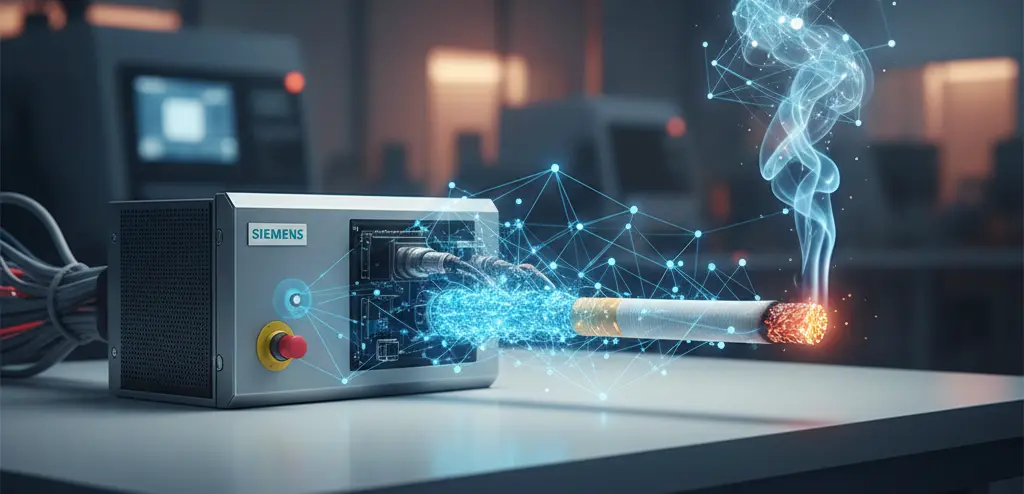
Siemens IPC has emerged as a game-changer for industrial operations, particularly in modern factories aiming to improve efficiency and reliability. With the rapid advancement of automation technologies, factories in countries like Canada and the USA require industrial PCs that can handle complex tasks while maintaining high performance. Stands out as a solution designed to meet these demands, providing robust, durable, and scalable computing solutions for a variety of industrial applications.
Why Factories Prefer Siemens IPC
Factories operate in environments that are often harsh, involving heavy machinery, temperature fluctuations, vibrations, and dust. Standard office PCs are not designed to endure such conditions. Siemens IPC is engineered specifically for industrial applications, making it a reliable choice for factories. Here are the key reasons manufacturers prefer it:
1. Rugged and Durable Design
One of the primary advantages is its ability to withstand tough environments. The components are housed in robust enclosures that protect against dust, humidity, and mechanical stress. This ensures that factory operations can continue uninterrupted even under challenging conditions.
2. High Performance for Complex Applications
Modern factories rely on automation systems that process large amounts of data in real time. It is equipped with powerful processors, high-speed memory, and ample storage, enabling seamless operation of advanced software applications. Whether it’s controlling assembly lines, monitoring production, or managing logistics, it delivers consistent performance.
3. Scalability for Future Needs
Factories evolve over time, introducing new machinery or upgrading production lines. Siemens IPC offers modular designs that can be easily expanded or upgraded to meet growing demands. This scalability ensures long-term cost savings and operational efficiency.
4. Seamless Integration with Industrial Networks
Factories utilize various control systems and industrial protocols. Siemens IPC supports multiple communication standards, allowing seamless integration with programmable logic controllers (PLCs), SCADA systems, and other automation networks. This connectivity ensures smooth data exchange across the production floor.
Core Features
To understand why it is favored by factories, let’s break down its core features in a structured way:
| Feature | Description |
|---|---|
| Robust Enclosure | Protects internal components from dust, humidity, and vibrations |
| High-Performance Processor | Supports demanding industrial applications |
| Modular Design | Easily upgradable for future factory expansions |
| Industrial Connectivity | Compatible with PLCs, SCADA, and other automation systems |
| Extended Temperature Range | Operates efficiently in extreme industrial temperatures |
| Low Maintenance Requirements | Reduces downtime and maintenance costs |
| Long Product Lifecycle | Ensures long-term investment reliability |
These features make it a reliable backbone for factory operations, enabling manufacturers to focus on productivity without worrying about system failures.
Applications of Siemens IPC in Factories
This finds applications in a wide range of industrial sectors, including automotive, electronics, pharmaceuticals, and packaging. Factories deploying Siemens IPC, whether in Canada or the USA, can enhance operational efficiency, improve monitoring, and reduce errors. Some specific applications include:
- Automated Assembly Lines: Ensuring smooth coordination of robotic arms, conveyors, and inspection systems.
- Process Monitoring: Real-time monitoring of temperature, speed, and operational parameters.
- Data Acquisition: Collecting and analyzing data from sensors and machinery for process optimization.
- Industrial Control Systems: Running SCADA or PLC-based control systems to manage production efficiently.
- Specialized Manufacturing: Even niche industries, like cigarette machinery suppliers, benefit from Siemens IPC due to its ability to control complex machinery and maintain reliable operation in demanding environments.
Benefits of Siemens IPC Over Conventional PCs
| Aspect | Siemens IPC | Conventional PC |
|---|---|---|
| Environmental Resistance | High – designed for industrial settings | Low – sensitive to dust & vibration |
| Reliability | Continuous operation under heavy loads | Prone to overheating and failure |
| Expandability | Modular and upgradeable | Limited options for expansion |
| Compatibility | Supports industrial networks | Limited connectivity options |
| Lifecycle | Long-term investment | Short lifecycle in factories |
The comparison clearly demonstrates why it is a superior choice for factory environments compared to conventional PCs.
Tips for Choosing the for Your Factory
Choosing the right Siemens IPC depends on your factory’s operational needs. Here are a few considerations:
- Assess Environmental Conditions: Determine whether your factory faces extreme temperatures, humidity, or vibrations. Choose models designed for those conditions.
- Define Performance Requirements: Identify the software applications and tasks that the IPC will run to select the appropriate processor and memory configuration.
- Plan for Expansion: Select a model with modular components to accommodate future upgrades.
- Verify Compatibility: Ensure the Siemens IPC supports the communication protocols and industrial networks used in your factory.
By carefully evaluating these factors, factories can maximize their investment in Siemens IPC systems.
Frequently Asked Questions (FAQs)
Q1. What industries use Siemens IPC?
Siemens IPC is widely used in automotive, electronics, pharmaceuticals, packaging, and specialized sectors like cigarette machinery suppliers.
Q2. Can it operate in extreme factory conditions?
Yes, it is designed to withstand dust, humidity, vibrations, and wide temperature ranges, making it ideal for industrial environments.
Q3. How scalable is Siemens IPC for future factory needs?
Its modular design allows for easy upgrades of processors, memory, and storage, supporting growing production demands.
Q4. Is it compatible with industrial control systems?
Absolutely. It integrates seamlessly with PLCs, SCADA systems, and other automation networks.
Q5. What maintenance is required for Siemens IPC?
It requires minimal maintenance due to its robust design, reducing downtime and overall costs.
Conclusion
In today’s competitive manufacturing landscape, efficiency and reliability are non-negotiable. Siemens IPC provides factories with a durable, high-performance, and scalable solution that ensures smooth operations. Its ability to integrate with industrial networks, operate in harsh environments, and adapt to future requirements makes it an ideal choice for manufacturers seeking long-term benefits.
Whether it’s managing complex assembly lines, monitoring processes, or supporting specialized machinery like cigarette machinery, Siemens IPC stands out as the industrial PC that can handle the demands of modern factories.
By choosing Siemens IPC, factories are not just investing in hardware—they are investing in operational continuity, reduced downtime, and overall productivity. Click here for more details