
Tobacco Curing plays a defining role in how tobacco delivers aroma and flavor, and the Best Tobacco Machinery Suppliers in USA understand this connection better than most industry insiders. From farms across the USA and Canada, curing traditions continue to shape tobacco character long before processing begins.
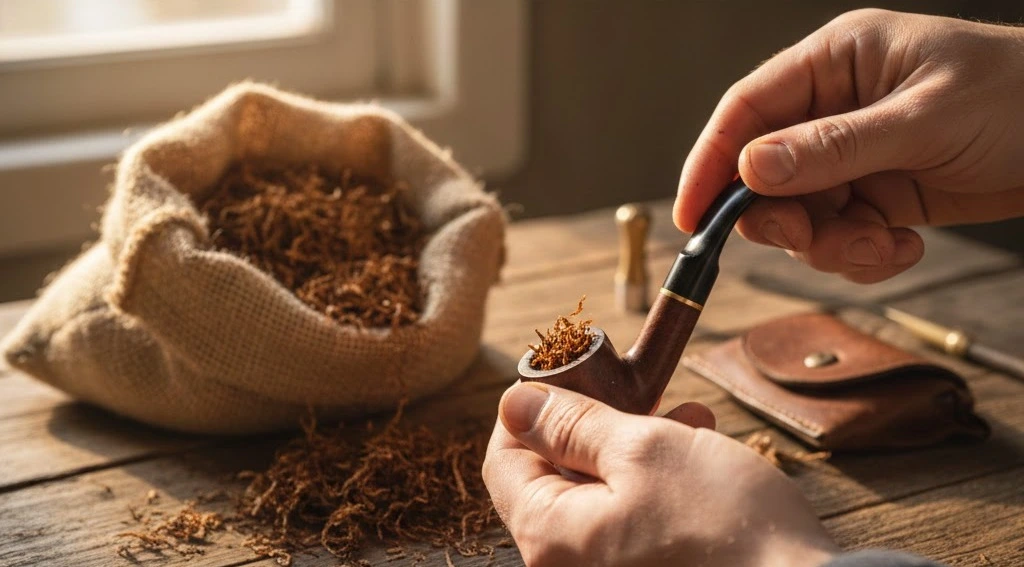
Tobacco curing does more than dry leaves. It guides chemical changes that influence sweetness, strength, and aroma. Every curing choice affects how tobacco smells, tastes, and feels during use.
Understanding the Role of Tobacco Curing
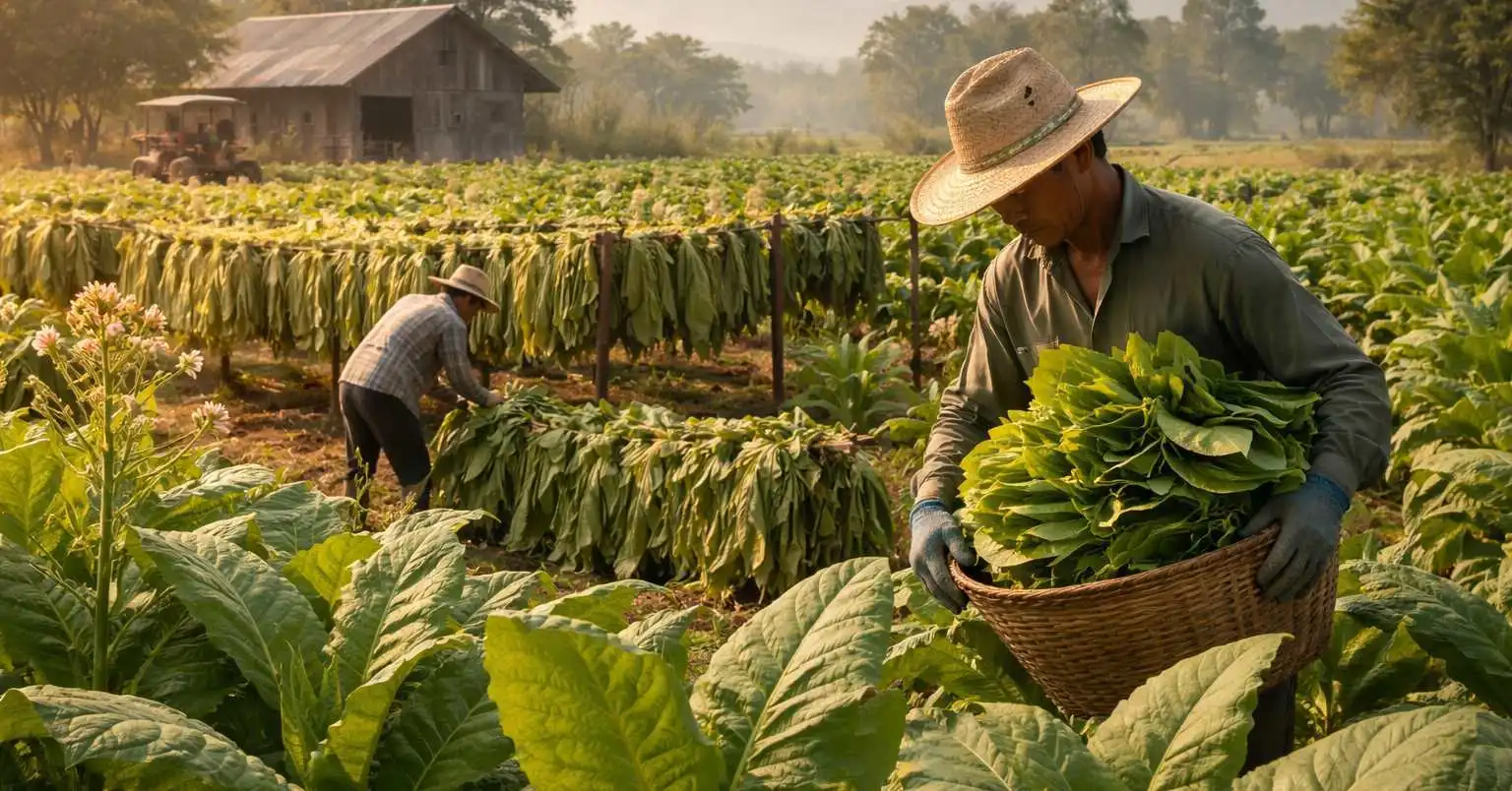
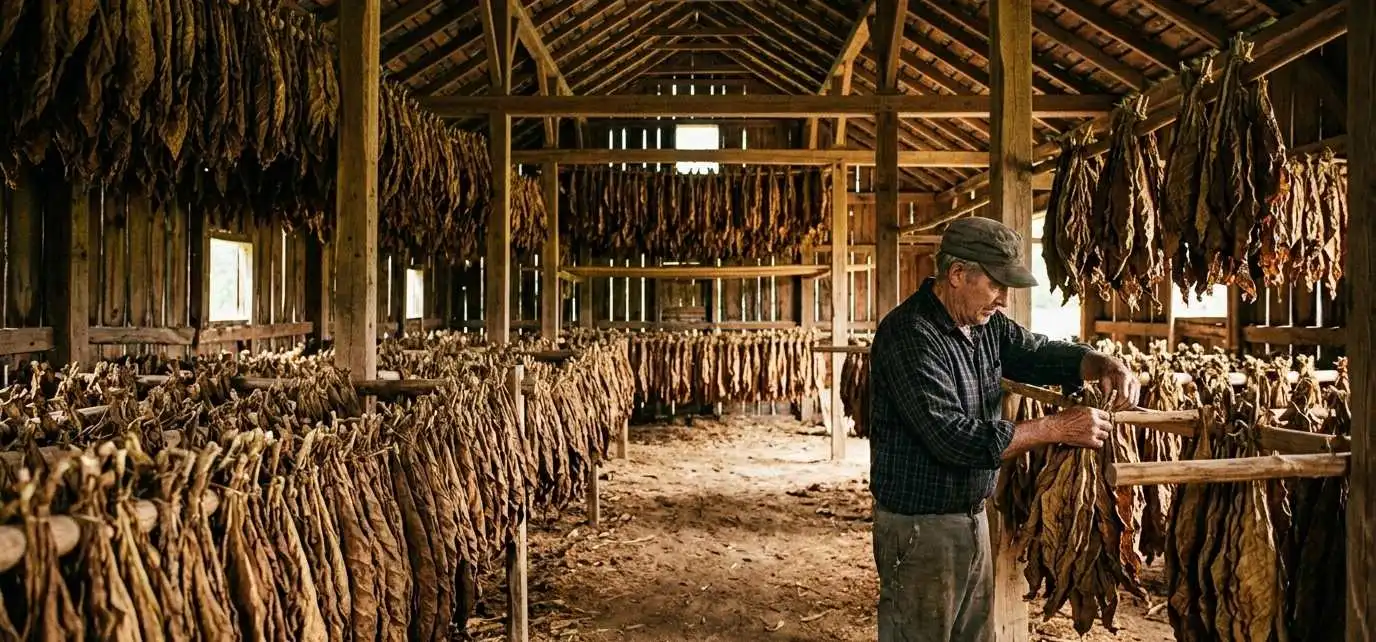
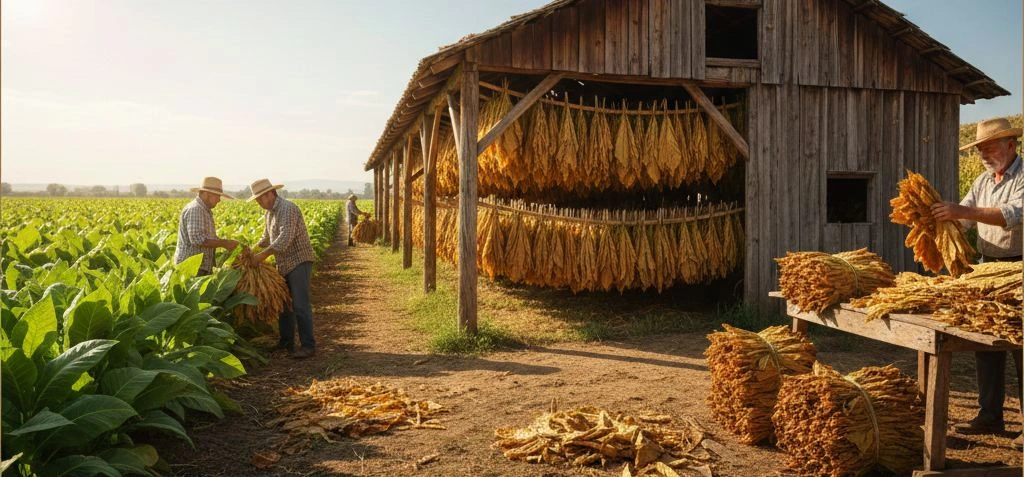
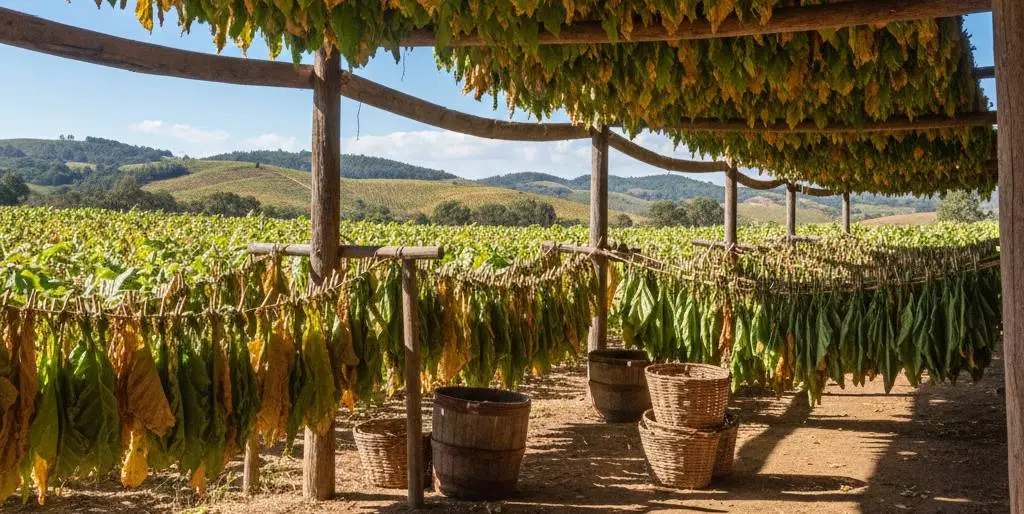
Tobacco Curing refers to the controlled process that removes moisture from harvested leaves while developing natural flavors. Growers rely on curing to transform raw leaves into usable tobacco with appealing sensory qualities.
Curing encourages enzymes to activate and sugars to develop. These changes bring depth to aroma and smoothness to taste. Without proper curing, tobacco loses balance and appeal.
In the USA and Canada, producers value curing as a foundation step that defines product quality before any further handling occurs.
Types of Tobacco Curing and Their Impact
Each curing approach shapes aroma and taste in a unique way. Growers select methods based on leaf variety, climate, and desired outcome.
| Curing Method | Aroma Development | Taste Characteristics | Common Use |
|---|---|---|---|
| Air Curing | Mild and earthy | Smooth and light | Traditional blends |
| Flue Curing | Sweet and bright | Crisp and clean | Popular leaf styles |
| Fire Curing | Smoky and bold | Strong and rich | Specialty products |
| Sun Curing | Herbal and dry | Sharp and natural | Regional varieties |
These methods influence how tobacco behaves during later handling, including shredding, chopping, feeding, and filling processes.
How Curing Shapes Aroma
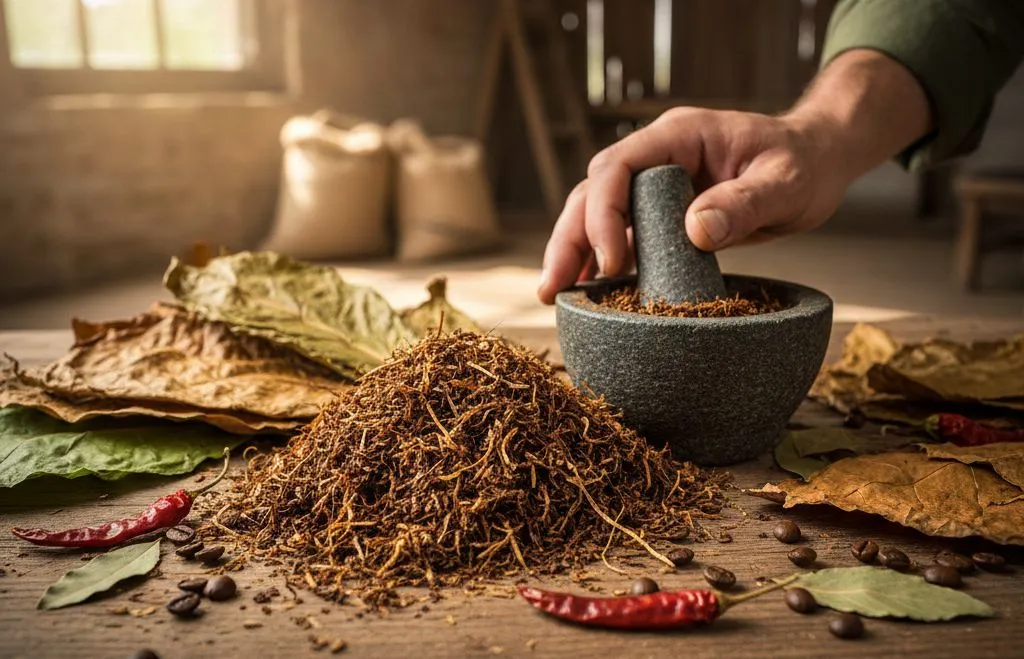
Tobacco Curing controls how natural oils and sugars evolve. Proper curing enhances pleasant aromas and reduces harsh notes. Leaves release subtle scents that range from sweet to smoky depending on curing style.
Growers in the USA and Canada focus on consistency during curing to preserve aroma. Even small shifts in curing conditions can change how tobacco smells during storage and use.
Strong aroma begins at the curing stage, not during later processing.
How Curing Influences Taste
Taste develops as curing converts starches into sugars. This transformation creates smoother, more enjoyable tobacco. Curing also reduces bitterness and balances strength.
When curing aligns with leaf type, tobacco delivers a refined taste profile. Poor curing disrupts flavor and increases sharpness.
Producers often connect curing quality with downstream efficiency when handling tobacco waste or preparing leaves for further steps.
Curing and Modern Tobacco Processing
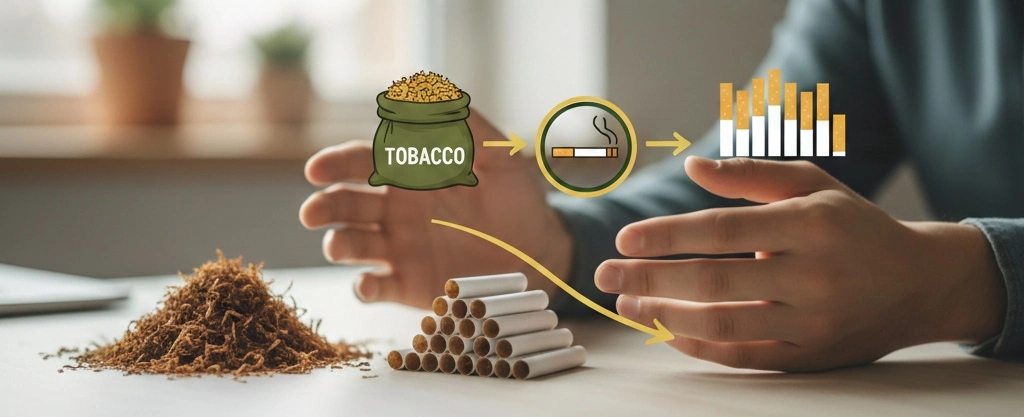
Cured leaves move into modern workflows that rely on organized handling and preparation. Quality curing supports smoother performance during shredding, chopping, and filling stages.
Industry professionals often reference terms like Tobacco Leaf Shredding machine and Tobacco Chopping Machine when discussing workflow efficiency, but curing determines how well leaves respond during those steps.
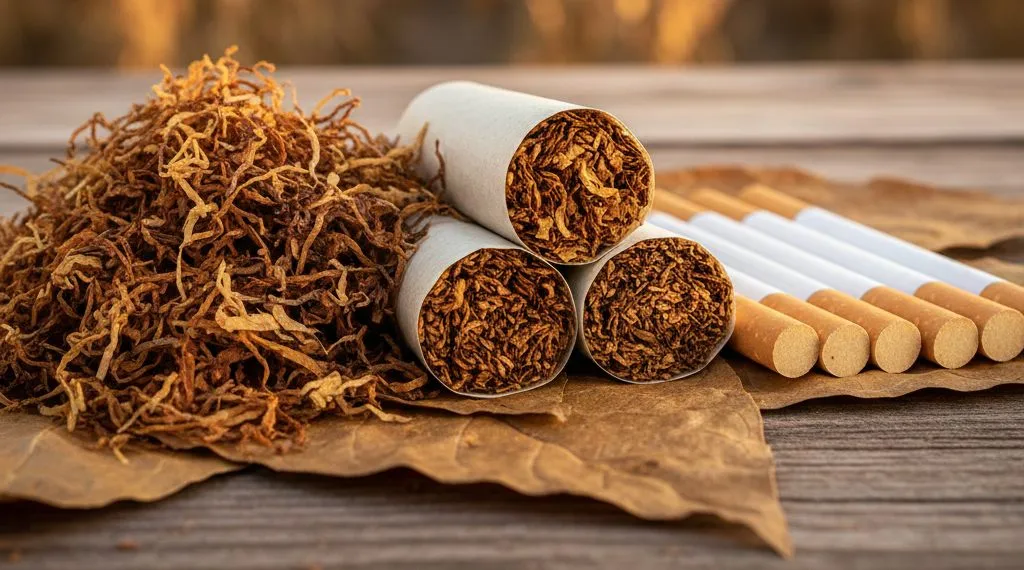
Cured tobacco flows better through a tobacco feeder, creates less tobacco waste, and delivers consistent results during filling operations. Many operations also consider compatibility with a tobacco filling machine during planning.
Strong curing practices reduce friction across the entire tobacco processing machine workflow.
Why Curing Matters in the USA and Canada
Producers across the USA and Canada face diverse climates, which makes curing decisions especially important. Humidity, airflow, and temperature shifts demand careful attention.
Experienced producers adapt curing techniques to local conditions. This approach protects aroma and taste while supporting large-scale processing needs.
The Tobacco Machine Suppliers in USA often emphasize curing awareness because strong curing improves efficiency across processing lines.
Common Challenges in Tobacco Curing
Curing requires patience and observation. Rapid drying damages aroma. Uneven airflow creates inconsistent taste. Excess moisture encourages spoilage.
Growers who respect curing timelines protect tobacco quality and reduce losses. Balanced curing also supports smoother downstream handling and minimizes unnecessary waste.
FAQs About Tobacco Curing
What makes Tobacco Curing so important for flavor?
Tobacco Curing activates natural chemical changes that create sweetness, balance, and aroma. Without curing, tobacco tastes harsh and flat.
Does curing affect aroma more than taste?
Curing influences both. Aroma develops early during curing, while taste deepens as sugars and oils stabilize.
How does curing connect to tobacco processing machine efficiency?
Well-cured leaves handle better during shredding, chopping, feeding, and filling, which improves workflow and reduces tobacco waste.
Do producers in the USA and Canada use the same curing methods?
Producers adapt methods based on climate and leaf type, but both regions value curing as a quality foundation.
Can curing reduce tobacco waste?
Yes. Proper curing strengthens leaf structure and reduces breakage during handling and processing.
Final Thoughts
Tobacco Curing shapes the identity of every tobacco product. It defines aroma, influences taste, and supports smooth processing outcomes. Producers across the USA and Canada continue to treat curing as both an art and a discipline.
When curing aligns with careful handling and modern workflows, tobacco delivers richer aroma, cleaner taste, and better overall performance from start to finish.