
Tobacco Machinery Suppliers in USA supply essential equipment that drives every step of the tobacco production process. From planting tobacco leaves to packaging cigarettes, manufacturers rely on modern machinery to boost efficiency, ensure consistency, and maintain high-quality standards. This blog explains the tobacco production process step by step, highlighting the role of equipment and expert handling.
Step 1: Cultivate Tobacco Leaves
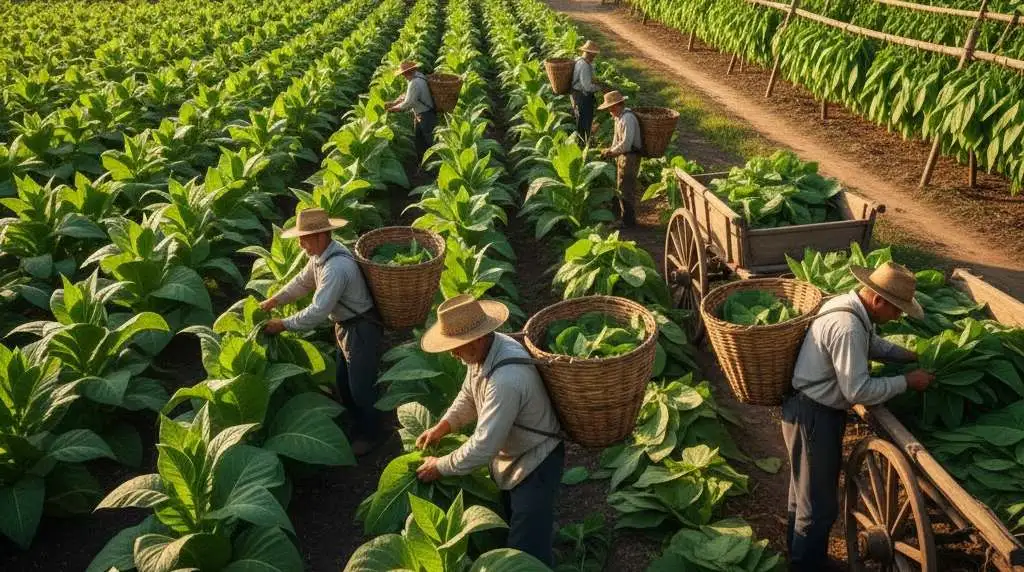
Farmers start the tobacco production process by planting tobacco in fertile soil. They provide consistent sunlight, water, and nutrients for optimal growth. Experts select the right varieties to achieve the desired flavor, nicotine content, and leaf quality.
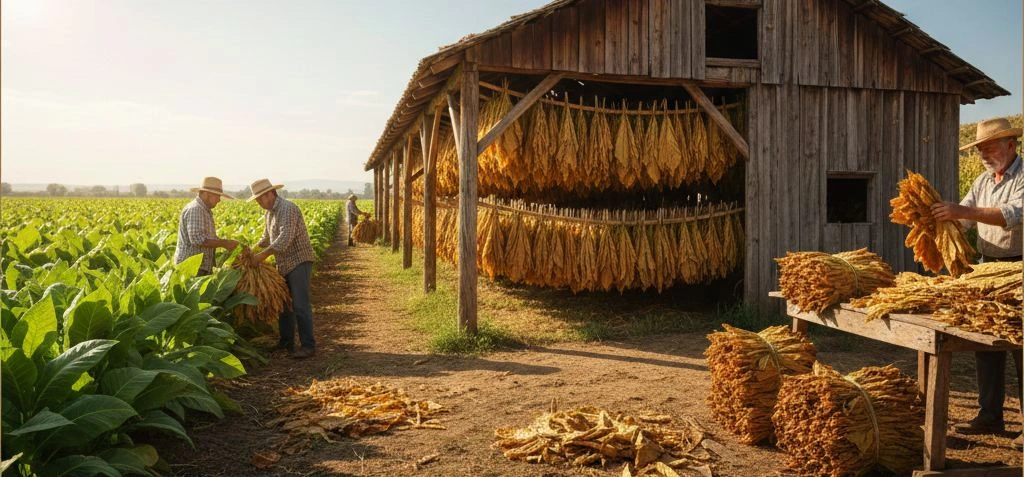
Farmers monitor leaves for pests and diseases and remove any damaged ones. After reaching maturity, they harvest the leaves carefully to avoid bruising. During curing, they hang the leaves in controlled environments to dry them while keeping their natural aroma and flavor intact.
Step 2: Cure and Ferment Leaves
Curing enhances the taste and aroma of tobacco. Producers use air-curing, flue-curing, fire-curing, or sun-curing methods depending on the leaf type. They control temperature and humidity to prevent over-drying or mold growth.
After curing, producers ferment the leaves. Fermentation softens the leaves, reduces harshness, and develops a smooth flavor. Tobacco Machinery Suppliers in USA provide specialized machines that monitor air circulation, temperature, and moisture, ensuring even fermentation without manual errors.
Step 3: Strip and Blend Tobacco
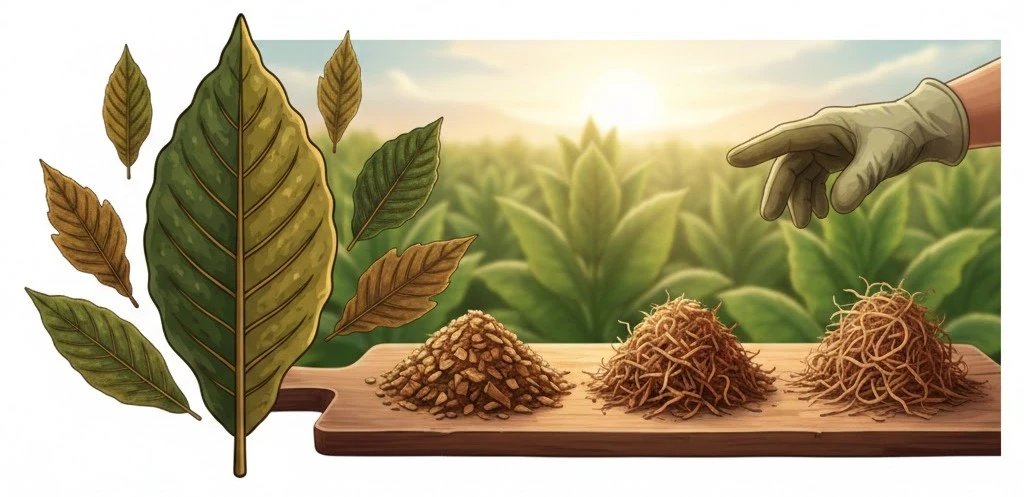
After fermentation, workers strip leaves by removing central veins, leaving only the usable lamina. This process ensures uniformity and prepares the leaves for blending.
Blending combines tobacco from different regions and varieties. Producers mix leaves to create a consistent flavor profile for cigarettes or other tobacco products. Advanced machines from Cigarette Machinery Suppliers in USA automate blending, maintain uniformity, and improve production speed.
Step 4: Cut and Add Flavor
Producers cut the blended leaves into thin strands, called tobacco “shreds” or “fillers.” Cutting ensures smooth burning and a consistent smoking experience. Machines adjust the thickness based on product type, whether cigarettes, cigars, or pipe tobacco.
Producers add flavoring agents to enhance aroma or sweetness. Modern machinery distributes flavor evenly across all tobacco, guaranteeing that every product maintains the intended taste.
Step 5: Form Cigarettes
Producers load shredded tobacco into cigarette-making machines. Machines roll the tobacco, add filters if necessary, and wrap cigarettes in paper. Precise equipment ensures that every cigarette meets quality standards.
Cigarette Machinery Suppliers in USA provide machines that automate the process and produce thousands of cigarettes per minute. This automation reduces errors and ensures consistent quality at high speeds.
Step 6: Inspect for Quality
Producers inspect tobacco at every stage to maintain quality. They measure moisture levels, check cut sizes, and taste samples to verify flavor consistency. Machines detect inconsistencies in real-time, allowing operators to make adjustments immediately.
Inspecting cigarettes before packaging ensures proper alignment, sealing, and labeling. Producers rely on automated machines to handle high-speed inspection efficiently, minimizing errors and saving time.
Step 7: Package and Distribute
Producers package cigarettes in boxes, apply labels, and prepare them for shipment. Packaging machines wrap, seal, and label products accurately and at high speeds.
Once packaged, distributors transport products to retailers while maintaining proper storage conditions. Tobacco Machinery Suppliers in USA offer integrated machinery solutions that streamline packaging and distribution, ensuring products remain fresh and meet consumer expectations.
Conclusion
Manufacturers control the tobacco production process from leaf cultivation to final packaging. Using modern machinery ensures accuracy, consistency, and quality throughout every stage. Partnering with Cigarette Machinery Suppliers in USA helps producers maintain efficiency, reduce errors, and meet global standards.
By following this step-by-step process, tobacco producers deliver high-quality products, improve operational efficiency, and satisfy consumer expectations worldwide.