
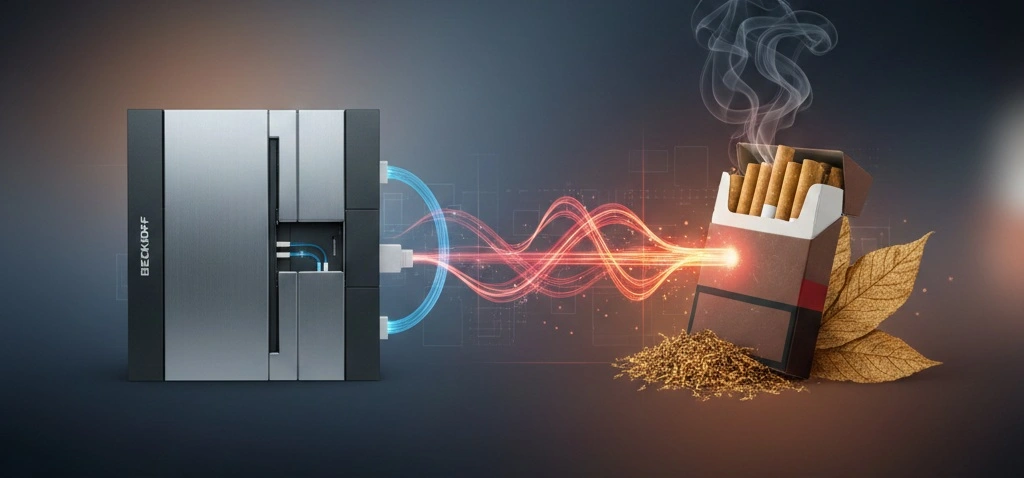
BECKHOFF IPC has become an essential solution in industrial automation, offering reliable and high-performance control systems. Industrial PCs (IPCs) like this provide a central hub for machinery, sensors, and software, enabling efficient automation workflows. Understanding how BECKHOFF IPC works helps engineers and industry professionals optimize operations and make informed decisions.
How BECKHOFF IPC Functions
Acts as the brain of industrial automation systems. It combines PC-level computing power with industrial-grade hardware to manage complex tasks. The system runs TwinCAT software, which turns it into a real-time controller for motion control, robotics, and process monitoring.
Key components include:
| Component | Function |
|---|---|
| CPU | Executes TwinCAT software and automation programs |
| Memory & Storage | Stores OS, programs, and temporary data |
| I/O Interfaces | Connects sensors and actuators for real-time control |
| Network Ports | Enables communication with controllers and devices |
| Expansion Slots | Allows hardware upgrades for new functionalities |
Advantages of BECKHOFF IPC
The use offers several benefits:
- Modular Design – Hardware and software can be upgraded to meet growing automation needs.
- Wide Protocol Support – Compatible with EtherCAT, PROFINET, and Ethernet/IP.
- Energy Efficiency – Optimized to deliver high performance with minimal power usage.
- Global Reach – BECKHOFF IPC in USA and in Canada provides local access and support.
These factors make it ideal for industries that require flexibility and dependable performance.
BECKHOFF IPC vs Traditional Systems
Traditional PLCs and industrial PCs often have limited adaptability. BECKHOFF IPC leverages PC-based architecture for superior performance and flexibility. Siemens IPC is another option, but integration with TwinCAT and EtherCAT offers advanced control for multi-axis machines.
| Feature | BECKHOFF IPC | Traditional PLC/Siemens IPC |
|---|---|---|
| Software | TwinCAT real-time control | Vendor-specific environments |
| Hardware | Modular and scalable | Limited flexibility |
| Networking | Multiple protocols | Often single-protocol support |
| Processing | PC-level CPU | Restricted by PLC processor |
| Remote Access | Advanced diagnostics | Limited options |
Applications
It is widely used in industries requiring modern automation solutions:
- Robotics – Coordinating robotic systems efficiently.
- Packaging – Synchronizing machinery for production lines.
- Process Automation – Monitoring chemical, food, or other processing workflows.
- Smart Factories – Connecting IIoT systems for real-time insights.
- Cigarette Machinery Suppliers – Automating production and packaging processes in tobacco manufacturing.
Choosing the Right BECKHOFF IPC
Selecting the right model depends on:
- Automation Needs – Determine tasks like motion control or process monitoring.
- Network Compatibility – Ensure support for necessary protocols.
- Expansion Requirements – Consider models that allow future upgrades.
- Environmental Conditions – Some models handle harsh conditions like vibration or dust.
Proper selection ensures optimal performance and longevity. Click here for more details
FAQs
Q1: Which industries use BECKHOFF IPC?
A: It is common in manufacturing, robotics, packaging, and smart factory environments.
Q2: Can BECKHOFF IPC communicate with other PLCs?
A: Yes, it supports multiple protocols for interoperability.
Q3: Is BECKHOFF IPC available in North America?
A: Yes, it is widely accessible.
Q4: How does this differ from traditional PLCs?
A: It combines PC computing power with industrial-grade control using TwinCAT software.
Q5: What software does BECKHOFF IPC use?
A: TwinCAT software enables real-time control and automation.