
Tobacco Machinery Suppliers in USA provide essential tools that make tobacco growing more efficient and productive. Tobacco growing remains a vital agricultural practice, and understanding the steps from planting to harvesting can help farmers maximize yield and quality. In this blog, we will walk through the entire process, from seed selection to curing, highlighting the best practices that modern farmers use.
Selecting the Right Tobacco Seeds
Farmers start tobacco growing by choosing the right seeds for their climate and soil. High-quality seeds ensure strong seedlings and healthy plants. Common tobacco varieties include Virginia, Burley, and Oriental, each requiring different care and soil conditions. Farmers plant seeds in seedbeds or trays filled with nutrient-rich soil, maintaining a controlled environment to encourage germination.
Preparing the Field for Planting
After seedlings grow for 6 to 8 weeks, farmers prepare fields for transplanting. They plow and till the soil to improve aeration and remove weeds. Proper soil preparation ensures that the tobacco roots develop strong foundations. Farmers often test the soil pH and add fertilizers to optimize nutrient availability, directly impacting plant growth and leaf quality.
Transplanting Seedlings
Farmers carefully transplant seedlings to the prepared field. They space plants evenly to allow airflow and sunlight penetration. This spacing reduces disease risk and promotes uniform growth. Farmers water the seedlings immediately after transplanting to reduce stress and help roots establish quickly.
Managing Plant Growth
During the growing season, farmers monitor plants closely. Tobacco growing requires consistent watering, especially during dry periods, and careful fertilization to maintain nutrient balance. Farmers also remove suckers—the small shoots that appear in leaf axils—to focus energy on the main leaves. This process, known as topping, improves the size and quality of the tobacco leaves.
Pest and Disease Control
Tobacco plants attract various pests and diseases that can damage crops if unmanaged. Farmers scout fields regularly, using integrated pest management strategies to control insects, fungi, and other threats. Proper spacing, crop rotation, and timely pesticide application prevent major infestations while minimizing environmental impact.
Harvesting Tobacco Leaves
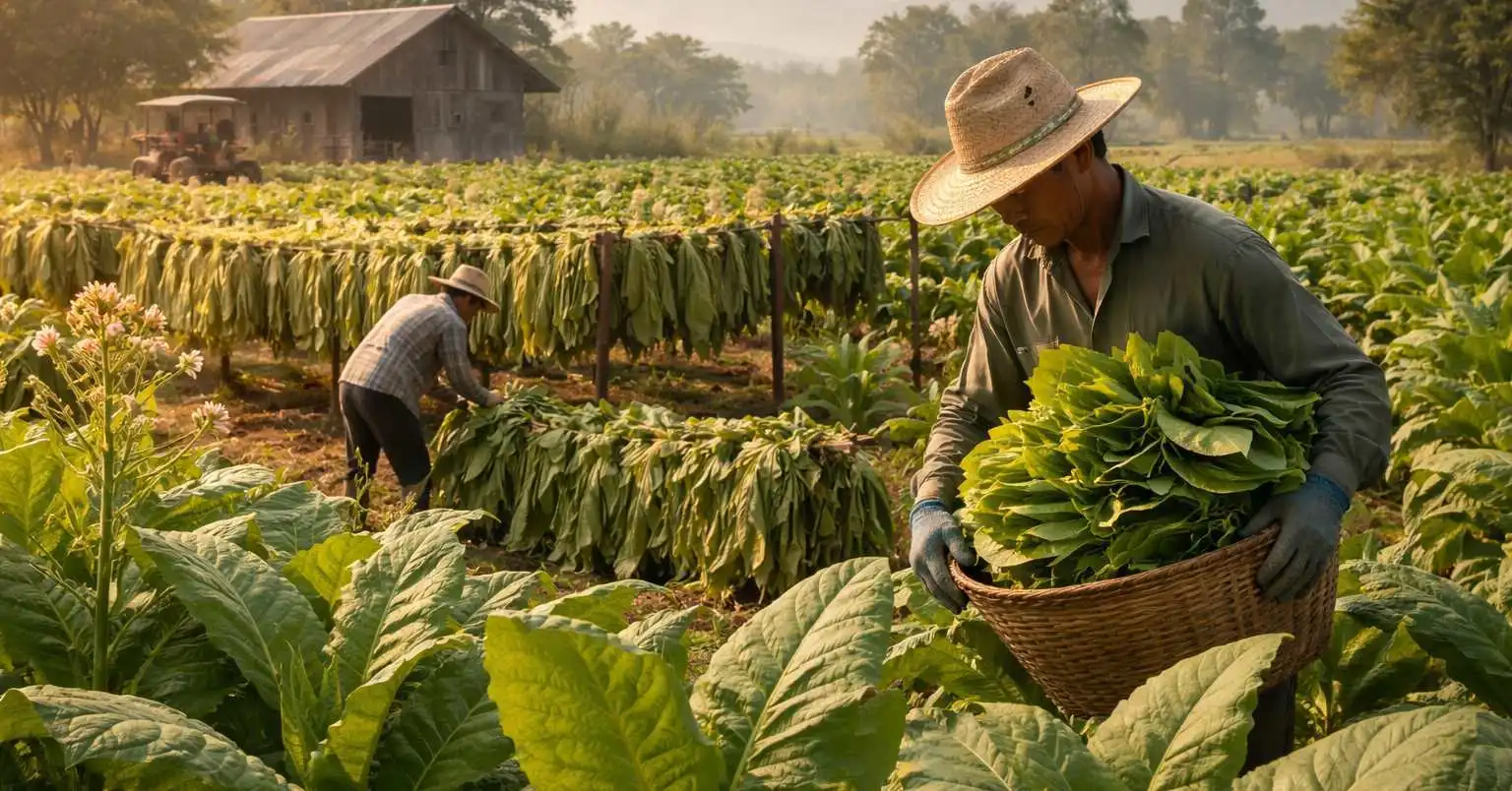
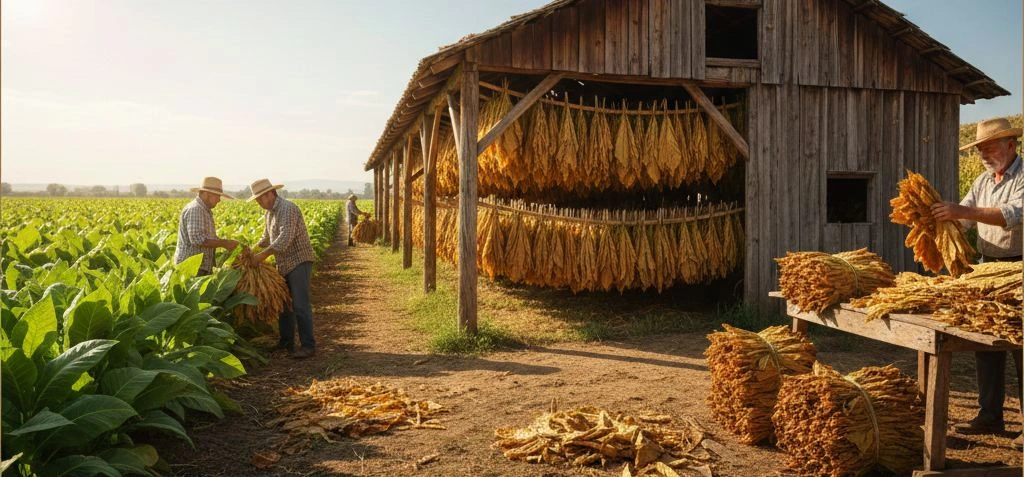
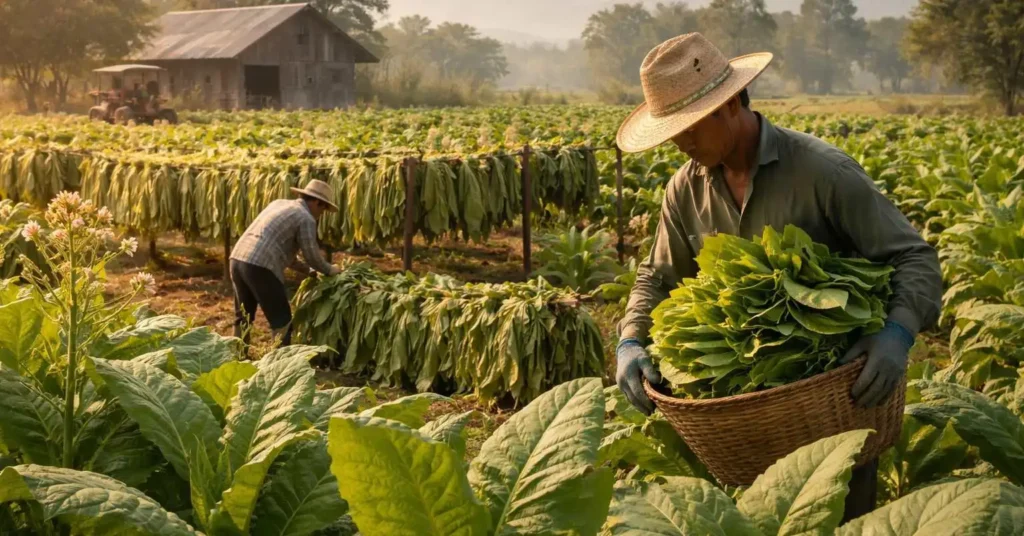
Harvesting is a critical step in tobacco growing. Farmers determine the right time by observing leaf color and texture. They often harvest in stages, picking mature leaves from the bottom first and leaving the top leaves to ripen. This method, called priming, ensures a consistent quality of leaves throughout the plant.
Farmers cut leaves carefully by hand or use specialized machinery from Tobacco Machinery Suppliers in USA to improve efficiency. After cutting, workers bundle the leaves for transport to curing facilities.
Curing Tobacco
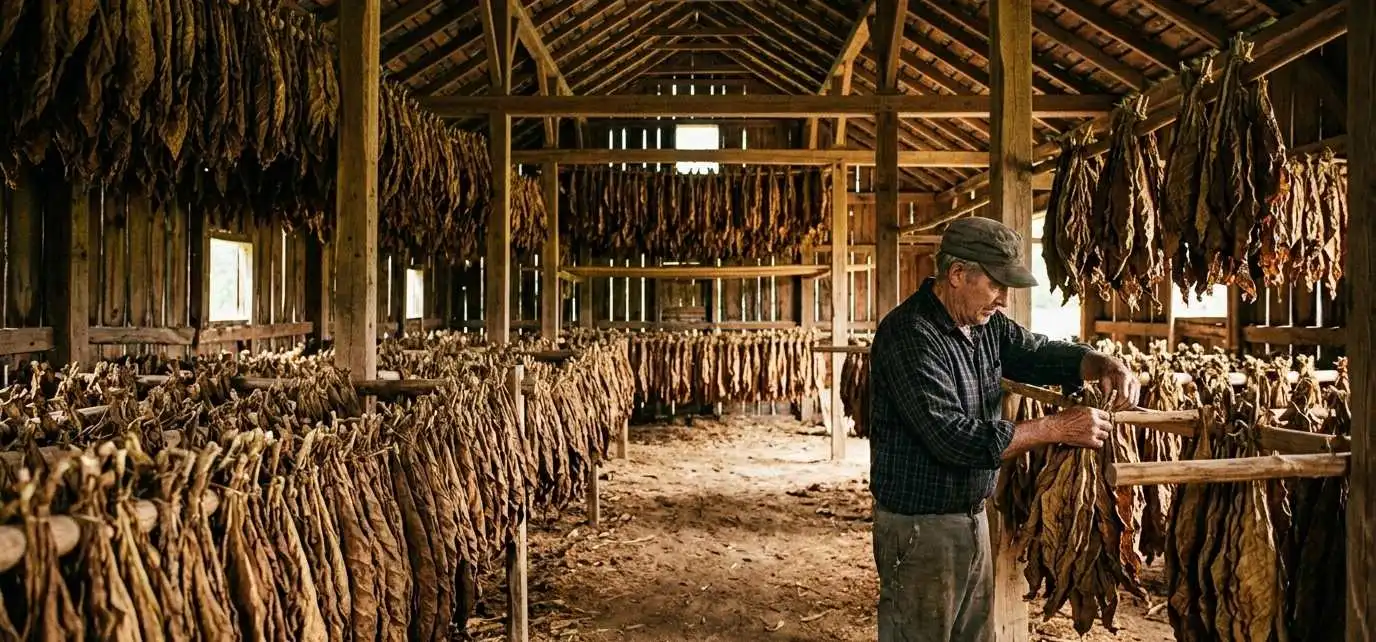
Curing transforms raw tobacco leaves into the aromatic and flavorful product used in cigarettes, cigars, and other tobacco products. Farmers use different curing methods depending on the tobacco type:
- Air curing: Leaves hang in well-ventilated barns for several weeks, allowing slow drying.
- Flue curing: Heated air circulates around leaves to dry them quickly, producing bright, mild tobacco.
- Fire curing: Farmers hang leaves near wood fires, imparting a smoky flavor.
Curing requires careful monitoring of temperature, humidity, and airflow. Improper curing can reduce leaf quality, affecting flavor and market value.
Sorting and Grading
After curing, farmers sort leaves based on color, size, and texture. Grading helps buyers and manufacturers select the right type of tobacco for their products. Higher-grade leaves command better prices, making proper sorting crucial for profitability.
Storing and Packaging
Once sorted, farmers store tobacco in controlled environments to maintain moisture and prevent mold. Packaging varies by the destination, whether for domestic use or export. Farmers use bales, crates, or vacuum-sealed packs to protect the leaves during transportation.
Conclusion
Tobacco growing requires meticulous attention at every stage, from seed selection to curing. Modern farmers combine traditional methods with advanced tools from Tobacco Machinery Suppliers in USA to enhance productivity and quality. By carefully managing soil preparation, plant growth, pest control, and harvesting, farmers ensure that each batch of tobacco meets high standards.
Farmers who follow best practices in tobacco growing enjoy higher yields, better leaf quality, and greater profitability. Understanding the science and techniques behind tobacco growing allows anyone in the industry to optimize their crops and sustain long-term success.