
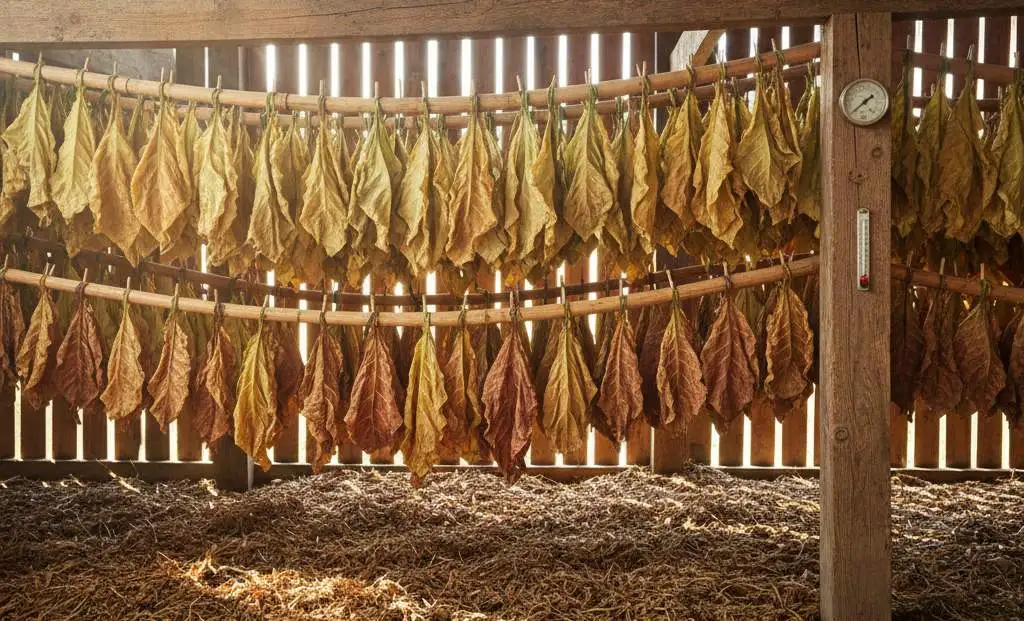
In Tobacco Drying practices, the difference between a high-value harvest and a damaged crop often comes down to how carefully moisture is managed after harvesting. Drying is not just a routine step; it is the foundation that protects aroma, texture, and overall quality. When done correctly, it safeguards leaves from mold, cracking, and chemical imbalance, ensuring that the final product meets both market and regulatory expectations.
The Science Behind Tobacco Drying and Moisture Balance
Tobacco Drying is a controlled process designed to remove excess moisture while preserving the natural structure of the crop. Freshly harvested leaves contain a high percentage of water, making them vulnerable to microbial growth and physical damage. Drying slows biological activity and stabilizes internal chemistry.
If moisture is removed too quickly, leaves can become brittle and break during handling. If removed too slowly, excess humidity can encourage rot and fungal contamination. This balance is why understanding airflow, temperature, and time is critical. Proper drying reduces internal stress in the leaf fibers and maintains consistency across batches.
How Improper Methods Lead to Crop Damage
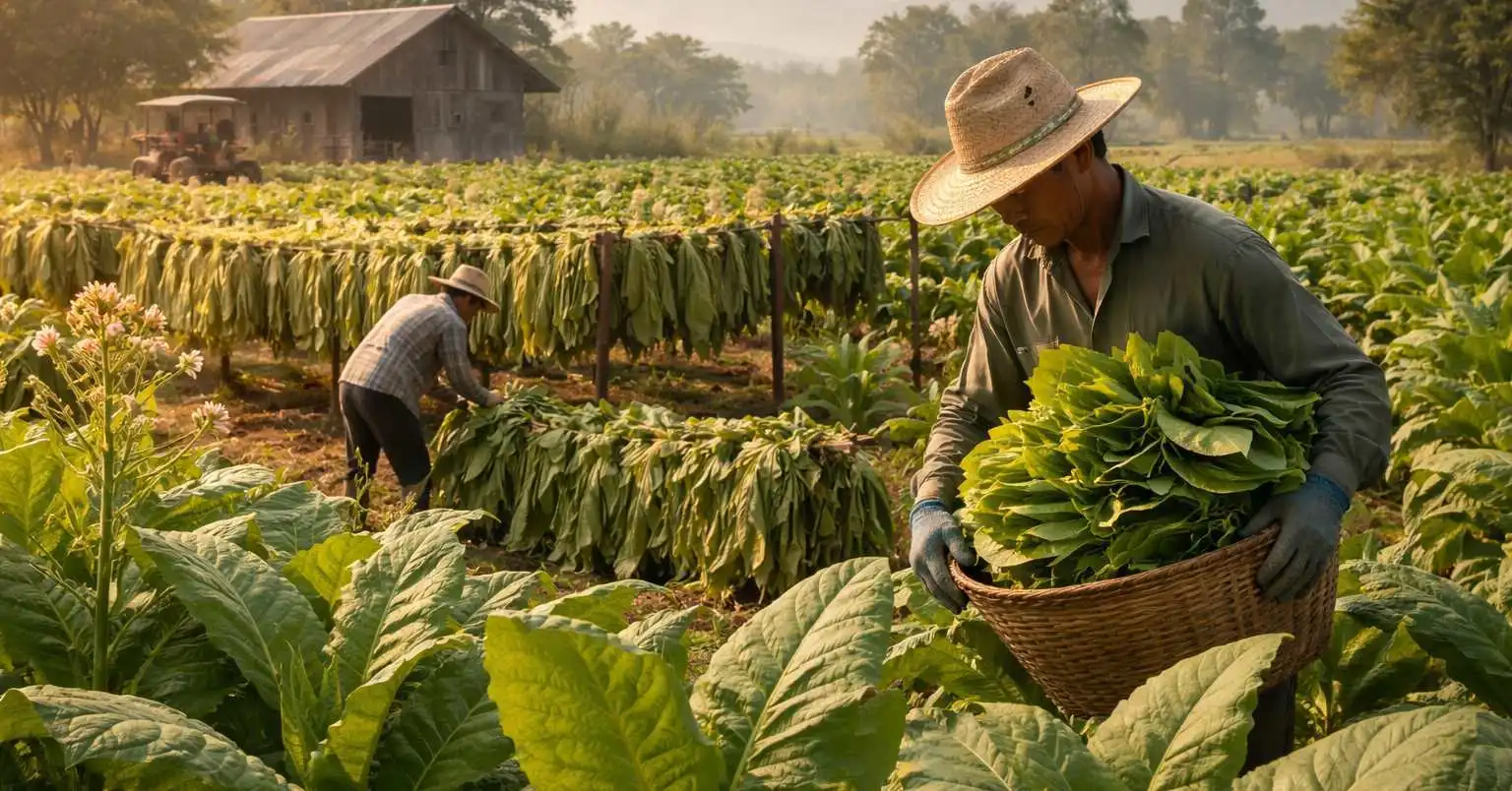
When Tobacco Drying is rushed or poorly monitored, several forms of damage can occur. Uneven moisture loss causes curling, discoloration, and weak leaf structure. Inconsistent conditions across a drying barn may result in some leaves overdrying while others remain damp, lowering the overall grade of the harvest.
Poor drying conditions can also lock in undesirable chemical reactions. These reactions may later affect taste and aroma, making the crop unsuitable for premium markets. Investing time and attention in correct drying techniques directly reduces waste and financial loss.
Environmental Factors That Influence Drying Success
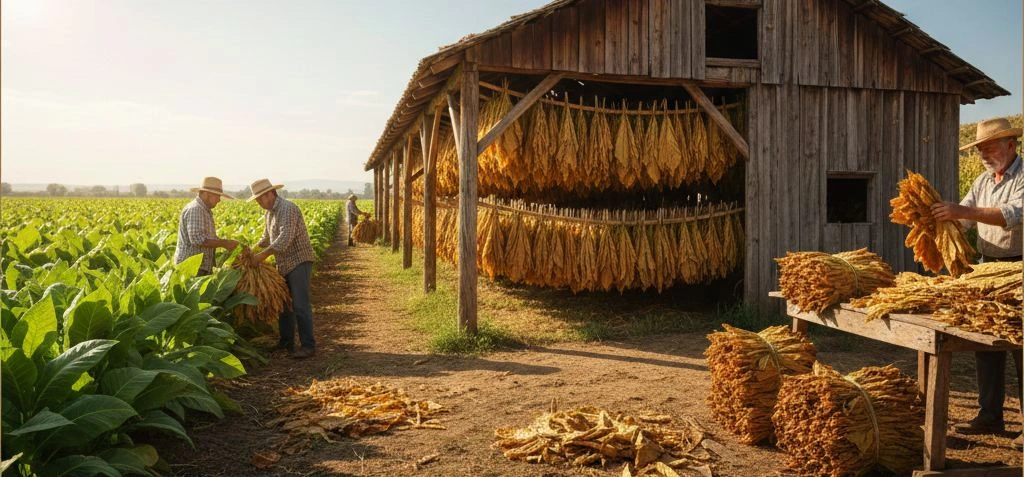
Climate plays a major role in Tobacco Drying outcomes. Ambient humidity, temperature swings, and airflow patterns all influence how moisture leaves the crop. Growers in humid regions must be especially vigilant, as excess moisture in the air can slow drying and increase spoilage risk.
Modern drying setups allow for better environmental control, helping maintain steady conditions regardless of outside weather. Monitoring tools and structured schedules ensure that leaves dry uniformly, preserving color and elasticity throughout the process.
The Role of Equipment and Process Control
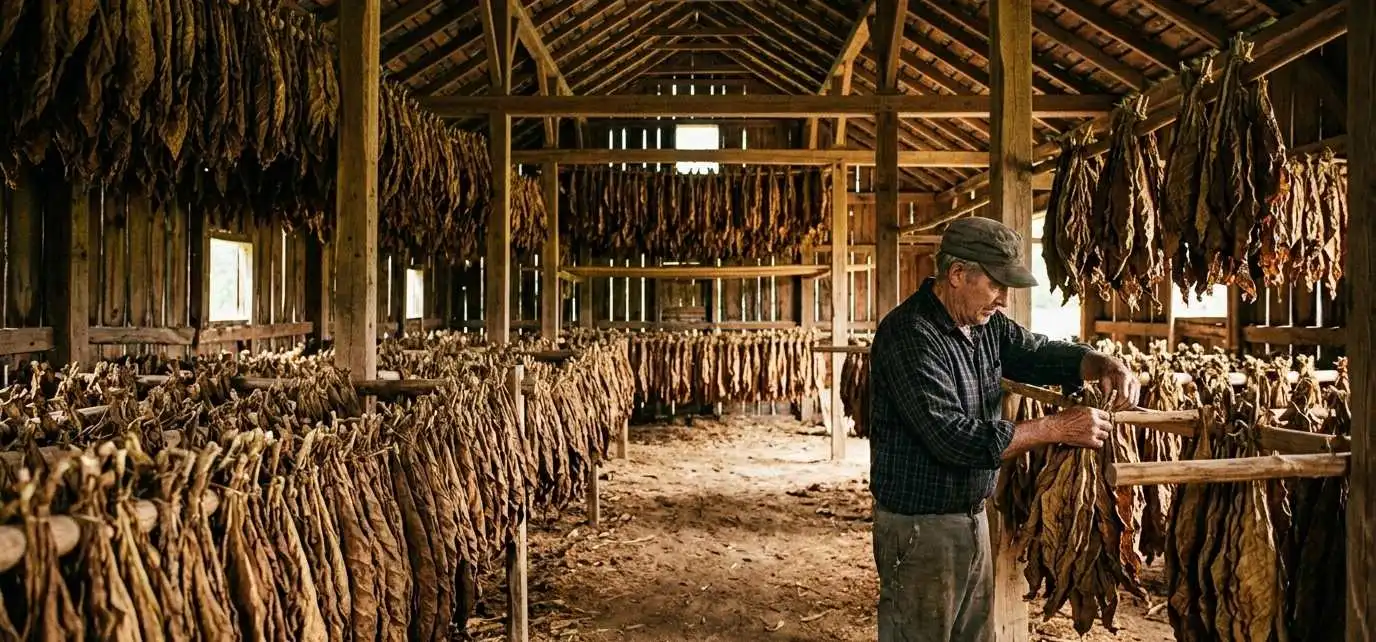
Efficient Tobacco Drying relies on more than just tradition; it depends on appropriate infrastructure. Well-designed barns, ventilation systems, and heat sources help maintain stable conditions throughout the drying cycle. Reliable equipment minimizes human error and improves repeatability from season to season.
In this context, experienced Tobacco Machinery Suppliers play an important role by providing systems that support consistent airflow and temperature management. Their solutions help growers reduce losses and maintain quality without overcomplicating operations.
Importance of Leaf Structure in Tobacco Drying
A healthy plant leaf has a delicate balance of flexibility and strength. During drying, this structure must be preserved to prevent tearing and surface damage. Leaves that dry evenly retain their natural shape, making them easier to handle and process later.
When drying is uneven, the leaf veins may harden faster than the surrounding tissue, leading to cracks and breakage. Proper spacing, airflow, and timing during Tobacco Drying ensure that each leaf dries at a similar rate, protecting its physical integrity and overall quality.
Drying as the Foundation for Natural Fermentation
After drying, the crop enters a stage where tobacco fermentation naturally develops flavor and aroma through gradual chemical changes. Drying sets the stage for this transformation. Leaves that are dried correctly ferment more evenly, producing a smoother and more desirable final product.
If drying is inadequate, fermentation can become unpredictable, leading to harsh flavors or off-odors. This is why growers view drying not as an isolated step, but as preparation for everything that follows.
Comparing Proper and Improper Drying Outcomes
| Aspect | Proper Drying | Improper Drying |
|---|---|---|
| Moisture Level | Even and stable | Uneven or excessive |
| Leaf Texture | Flexible and intact | Brittle or weak |
| Risk of Mold | Very low | High |
| Market Value | Premium grade | Reduced grade |
This comparison highlights how correct handling protects both quality and profitability.
Long-Term Storage and Damage Prevention
Correct Tobacco Drying also improves long-term storage performance. Leaves with balanced moisture resist degradation during storage and transport. They maintain aroma and color longer, reducing the risk of rejection by buyers.
Storage environments are easier to manage when the initial drying process is done right. Consistent moisture levels mean fewer adjustments and less monitoring over time.
Frequently Asked Questions
What is the main goal of Tobacco Drying?
The primary goal of Tobacco Drying is to remove excess moisture while preserving the leaf’s structure, color, and chemical balance so it can be safely stored and processed.
How long does proper Tobacco Drying usually take?
The duration of Tobacco Drying varies depending on climate, leaf thickness, and equipment, but it always prioritizes gradual moisture removal over speed.
Can drying mistakes be corrected later?
Most damage caused during Tobacco Drying is irreversible. While minor issues can sometimes be managed during processing, major defects permanently lower quality.
Conclusion
Effective Tobacco Drying is the backbone of damage prevention in tobacco production. By controlling moisture, protecting leaf structure, and preparing the crop for natural fermentation and storage, growers ensure higher quality and better returns. Attention to this critical stage transforms drying from a routine task into a strategic advantage for long-term success.
Viewed Trending Links:
Soft Pack Cigarettes – PLC Control Systems – BECKHOFF IPC – Slim Cigarettes – Siemens IPC