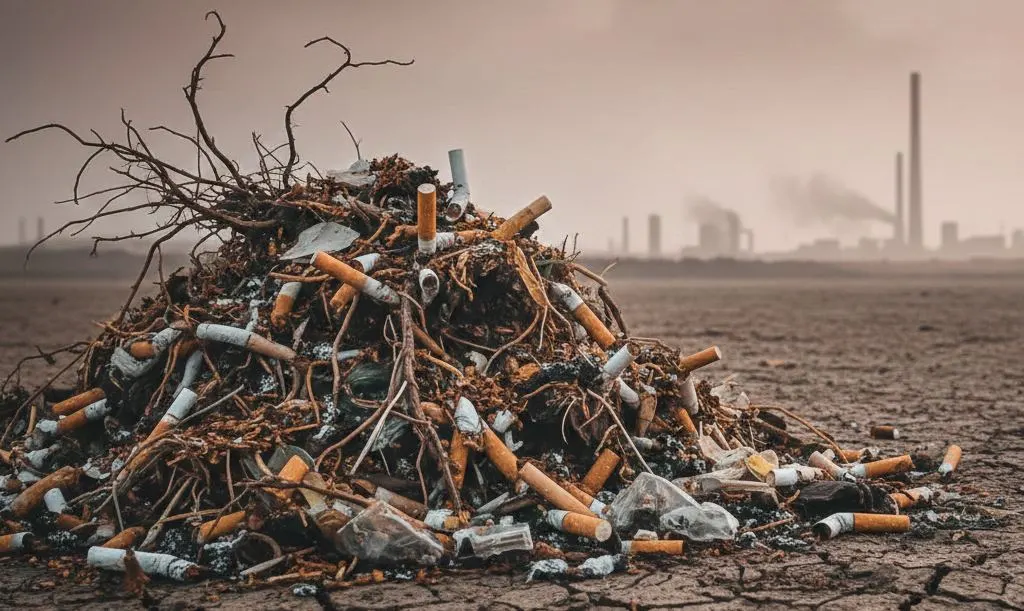
Tobacco waste management in a cigarette factory is a significant operational and financial discipline — not a secondary concern. Every stage of production from leaf arrival through primary processing, cigarette making, and packing generates waste streams that represent material cost, disposal cost, and in several cases a genuine recovery opportunity. Understanding the complete map of tobacco waste streams — what generates them, what volume each produces, and how each is managed or recovered — gives factory managers and buyers a clear picture of where material cost is being lost and where investment in waste recovery equipment produces a measurable return.
The Complete Map of Tobacco Factory Waste Streams
Tobacco waste in a factory environment is not one single stream — it is eight distinct streams generated at different production stages, each requiring different management approaches.
| Waste Stream | Source Stage | Volume Estimate | Management Method |
|---|---|---|---|
| Tobacco stems and midribs | Stripping — primary processing | 20 to 30% of leaf weight | Stem chopper — reprocessed into cut filler at 5 to 15% blend ratio |
| Tobacco dust | Cutting, blending, transport | 2 to 5% of processed weight | Dust collection — reintroduced to blend or used in RTL production |
| Reconstituted tobacco offcuts | RTL sheet processing | Variable — depends on sheet yield | Collected and reblended into cut filler |
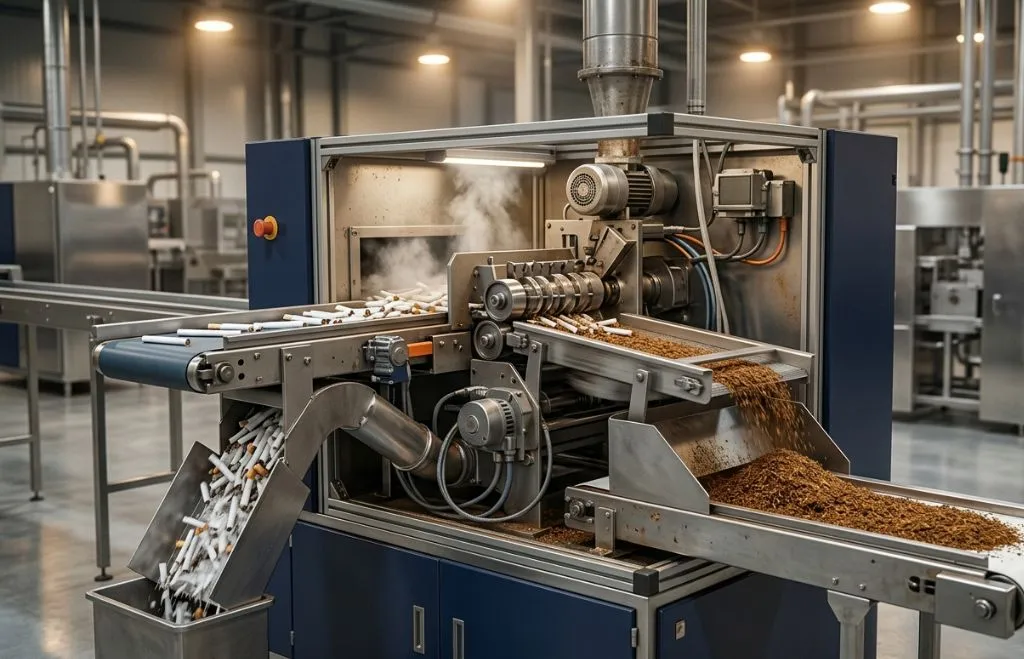
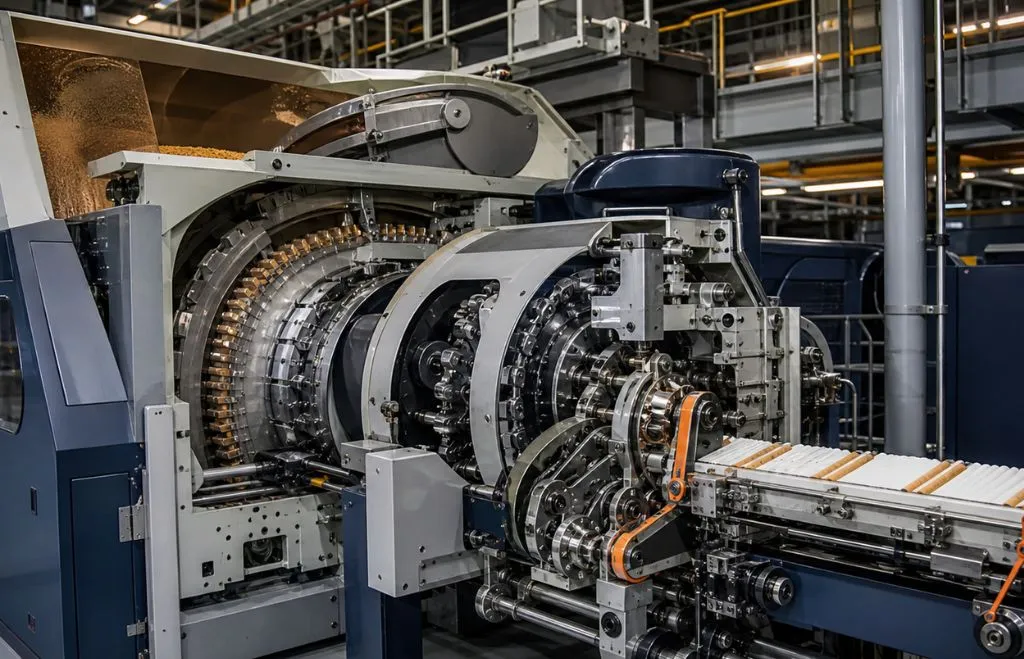
| Rejected cigarettes — making line | Making machine quality control | 1 to 3% of production volume | Cigarette reclaimer — recovers 90 to 95% of tobacco |
| Packing line rejects | Packing machine quality control | 0.5 to 1% of production volume | Cigarette reclaimer — recovers tobacco from rejects |
| Cigarette paper trim | Rod making garniture section | Small volume | Paper waste collection — disposed or externally recycled |
| Filter rod offcuts | KDF cutting stage | Small volume | Acetate waste — specialist disposal required |
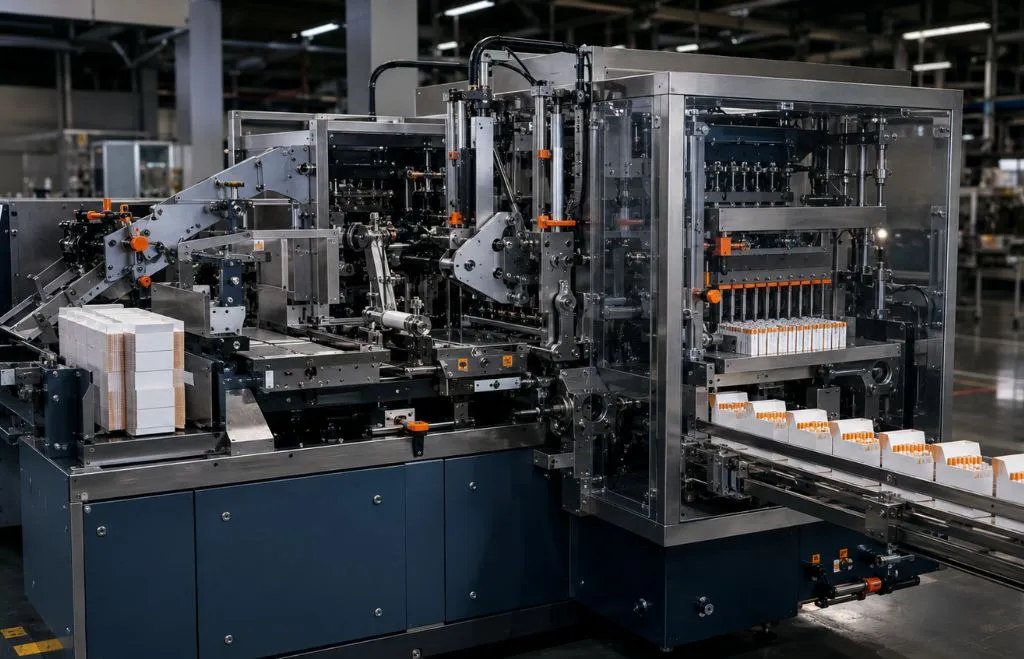
| Packing material waste | Packing and overwrapping | Variable | Paper and foil — external recycling contractors |
Waste Stream 1 — Tobacco Stems and Midribs
Stems and midribs are the fibrous central veins removed from tobacco leaf during the stripping stage of primary processing. They represent 20 to 30 percent of the total weight of whole leaf tobacco — making them the largest single waste stream by volume in most primary processing operations. Without a stem processing system this material is disposed of or sold at low value. With a tobacco chopping machine and optionally a stem expansion system, stripped stems are processed into a usable cut product that can be blended into the finished cigarette blend at 5 to 15 percent inclusion rates — recovering significant raw material value from what would otherwise be waste.
Waste Stream 2 — Tobacco Dust
Tobacco dust — fine particles below the minimum useful cut width — is generated throughout primary processing wherever tobacco is cut, blended, conveyed, or transferred. Cutting stages are the highest dust generation points — particularly the tobacco leaf shredder. Dust collection systems positioned throughout the primary processing area capture airborne dust and deposit it into collection bins.
Recovered tobacco dust can be reintroduced to the blend at controlled rates after screening — typically at percentages that do not significantly affect cigarette weight or draw resistance. At higher volumes, tobacco dust is used as a raw material in reconstituted tobacco sheet production where it is combined with stems and binding agents and re-processed into usable sheet.
Waste Stream 3 — Rejected Cigarettes
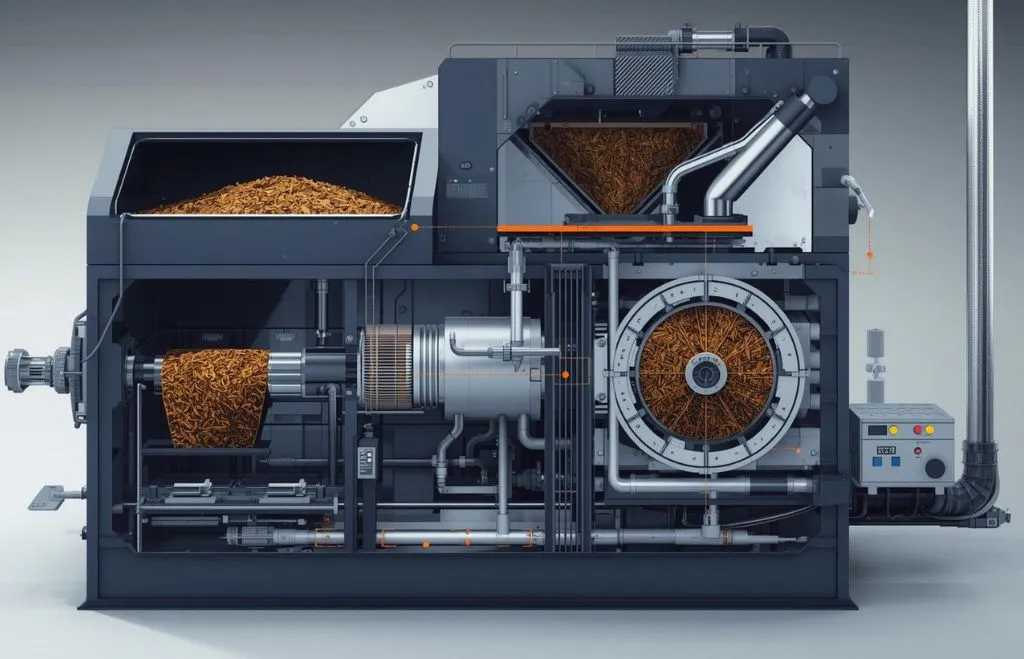
Rejected cigarettes from the making machine quality control system and packing line represent the most economically significant recoverable waste stream in most factories — because each rejected cigarette contains 0.7 to 0.9 grams of cut tobacco filler with full material cost. At industry-standard reject rates of 1 to 3 percent on a factory producing 5,000 cpm the annual rejected cigarette volume contains hundreds of thousands of dollars of tobacco value. A cigarette reclaimer machine recovers 90 to 95 percent of this tobacco through a 7-stage separation process — conditioning, opening, sieving, and suction cleaning — producing clean reusable cut filler ready for immediate reintegration into the making machine feed.
Waste Stream 4 — Reconstituted Tobacco Offcuts
Reconstituted tobacco sheet (RTL) is manufactured from tobacco dust, stems, and processing waste — combined with binding agents, processed into a sheet, and re-cut to filler width. The RTL processing itself generates offcut waste — the trim edges and sub-specification sheet sections that cannot be used as direct cut filler. This material is collected and reblended into the cut filler at controlled ratios or recycled through the RTL process for a second pass.
Waste Stream 5 — Cigarette Paper Trim
Cigarette paper trim is generated at the garniture section where excess paper is cut away during rod formation. The volume is relatively small compared to tobacco waste streams but paper trim must be collected separately from tobacco waste — mixing paper into tobacco waste streams contaminates the tobacco recovery material and reduces its usability. Collected cigarette paper trim is typically baled and sent to external paper recycling contractors.
Waste Stream 6 — Filter Rod Acetate Waste
Filter rod offcuts generated at the KDF filter making machine’s cutting stage — and any defective filter rods rejected by the quality control system — contain cellulose acetate. Acetate is not biodegradable and cannot be composted or landfilled without treatment in many regulatory environments. Acetate waste requires specialist disposal through licensed contractors. For factories in markets with strict waste handling regulations this is an increasingly significant compliance and cost consideration. For full details on the filter making machine that generates this waste stream, see our guide to the Hauni KDF Cigarette Filter Making Machine.
Waste Stream 7 — Packing Material Waste
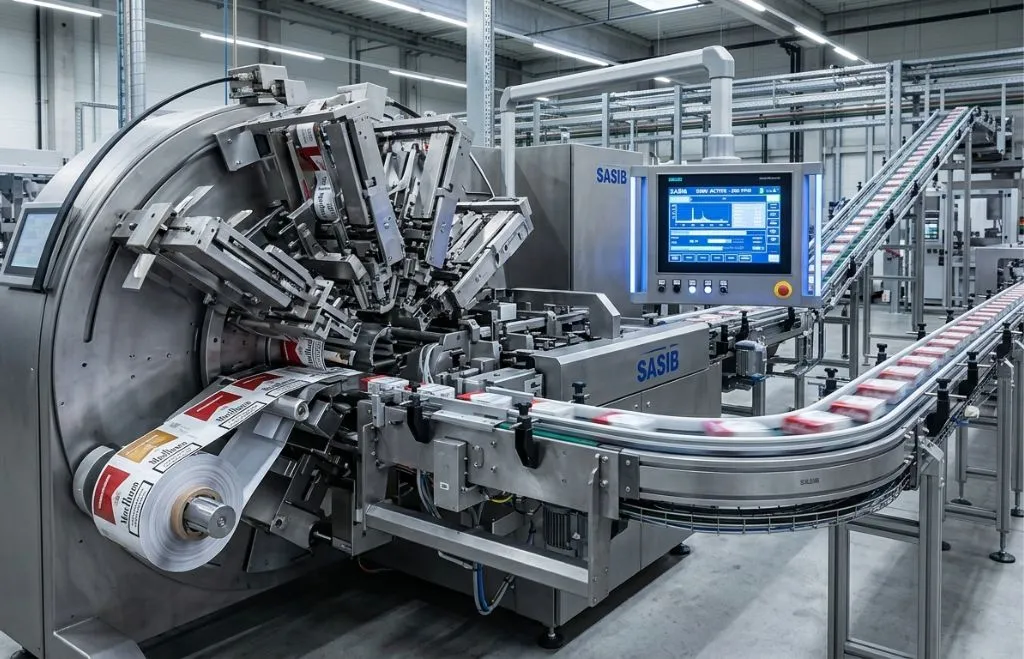
Packing and overwrapping stages generate foil inner liner offcuts, outer pack paper trim, cellophane film waste, carton board offcuts, and SASIB Boxer carton material waste. These materials are generated continuously at low volumes throughout each shift. Paper and board waste is typically collected by external recycling contractors. Cellophane and OPP film waste requires separate handling — these materials are not recyclable through standard paper streams.
Tobacco Waste Management — Priority Order by Financial Impact
Not all waste streams have equal financial impact. Factory managers should prioritize waste recovery investment in this order based on typical financial return:
Priority 1 — Rejected cigarettes: Cigarette reclaimer machine. Payback period typically 1 to 4 months at standard reject rates and tobacco costs. Highest financial return of any waste recovery investment.
Priority 2 — Stems and midribs: Tobacco chopping machine with optional expansion system. Recovers 20 to 30 percent of incoming leaf weight as usable blend component. Significant raw material cost reduction.
Priority 3 — Tobacco dust: Dust collection system upgrade. Recovers fine material for blend reintroduction or RTL production. Lower individual value than rejected cigarettes or stems but continuous volume across all shifts.
Priority 4 — Packing material: External recycling partnerships. Compliance benefit and minor cost recovery through material value. Lower financial return but important for regulatory compliance and sustainability audit performance.
Frequently Asked Questions
What are the main tobacco waste streams in a cigarette factory?
The eight main tobacco waste streams in a cigarette factory are: tobacco stems and midribs from stripping, tobacco dust from cutting and transport, rejected cigarettes from making and packing quality control, reconstituted tobacco sheet offcuts, cigarette paper trim from the garniture section, filter rod acetate waste from the KDF, and packing material waste including foil, board, and cellophane from the packing and overwrapping stages.
Which tobacco waste stream has the highest recovery value?
Rejected cigarettes have the highest recovery value per unit of waste. Each rejected cigarette contains 0.7 to 0.9 grams of cut tobacco filler with full material cost. A cigarette reclaimer machine recovers 90 to 95 percent of this tobacco for immediate reintegration into production. At standard reject rates of 1 to 3 percent the annual recovery value from a high-volume production line typically represents $250,000 to $500,000 or more in raw material savings.
How are tobacco stems managed in a factory?
Tobacco stems and midribs removed during stripping — representing 20 to 30 percent of incoming leaf weight — are processed through a tobacco chopping machine into a cut product that can be blended into the finished cigarette blend at 5 to 15 percent inclusion rates. Optionally the chopped stems are passed through a stem expansion system to increase their fill value before blending — allowing higher weight percentages at equivalent blend density contribution.
Why does filter rod acetate waste require specialist disposal?
Cellulose acetate — the primary material in cigarette filters — is not biodegradable and cannot be composted or landfilled without treatment in many regulatory environments. It breaks down extremely slowly in normal environmental conditions and can release harmful chemical compounds during degradation. Factories in markets with strict waste disposal regulations must use licensed specialist acetate disposal contractors — adding a compliance cost that standard paper and organic waste streams do not incur.
Conclusion
Tobacco waste management is both a cost control and a compliance discipline. The most financially impactful priority is always rejected cigarette recovery — the payback period on a cigarette reclaimer is typically months, not years. Stem processing recovery is the second priority — recovering 20 to 30 percent of incoming leaf weight as usable blend material. Dust collection, packing material recycling, and acetate waste compliance round out the complete waste management picture. Factories that manage all eight waste streams systematically achieve lower per-cigarette raw material costs, stronger sustainability audit performance, and better regulatory compliance. For a complete guide to cigarette waste recovery equipment, see our guide to the Cigarette Reclaimer Machine: How It Works, Types & Buyer Guide. For tobacco machinery suppliers in USA who supply waste recovery equipment, see our dedicated suppliers page.