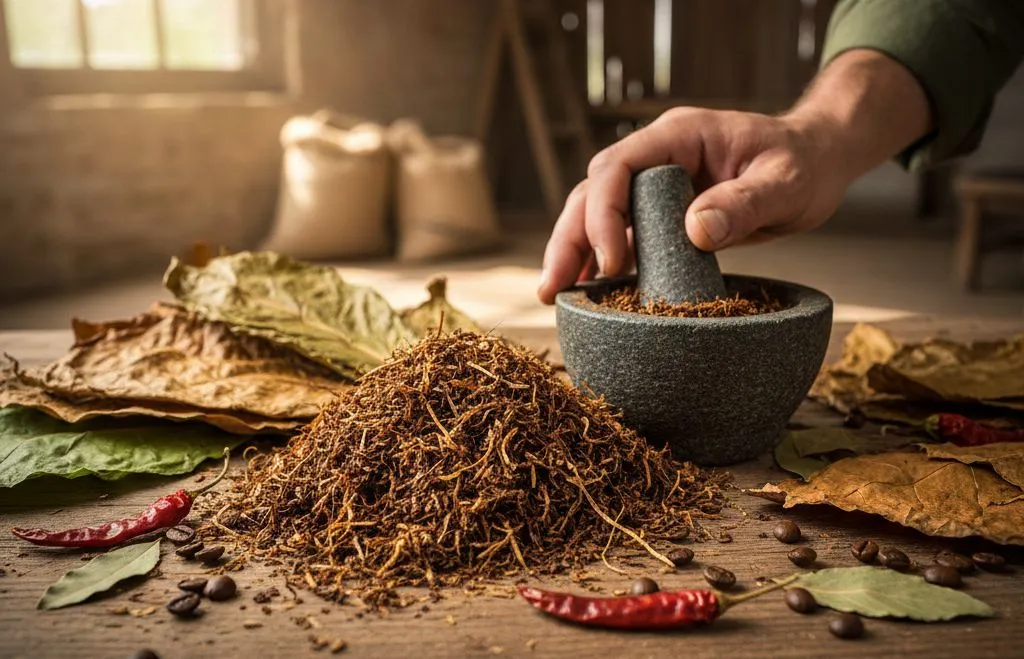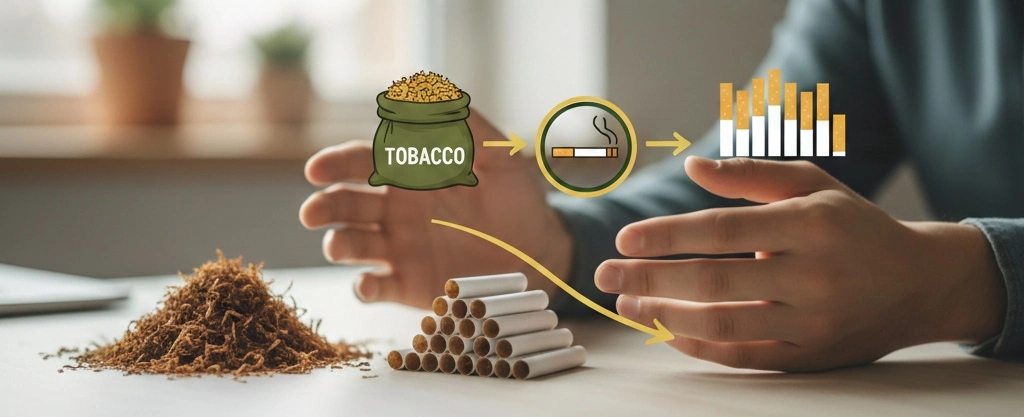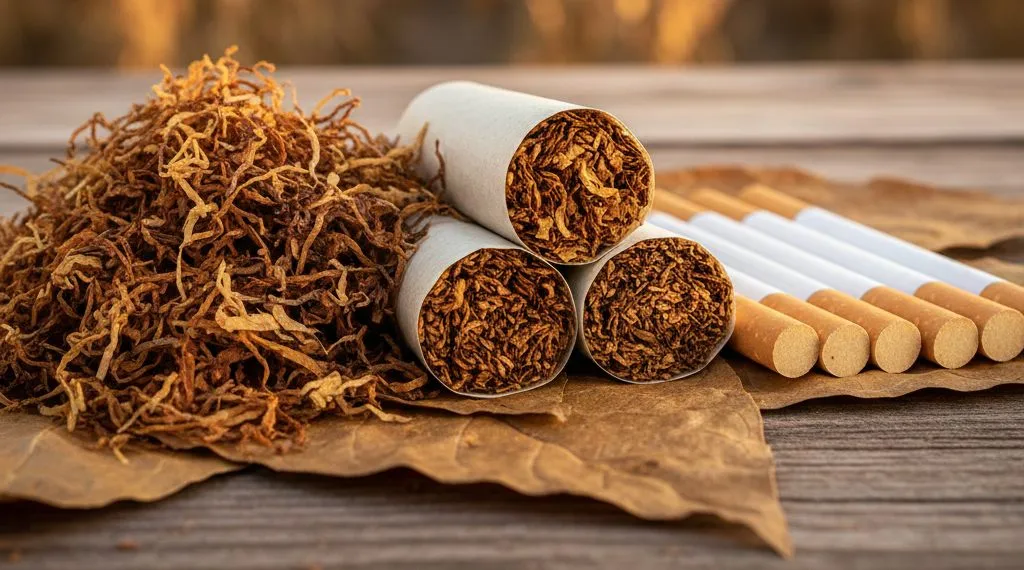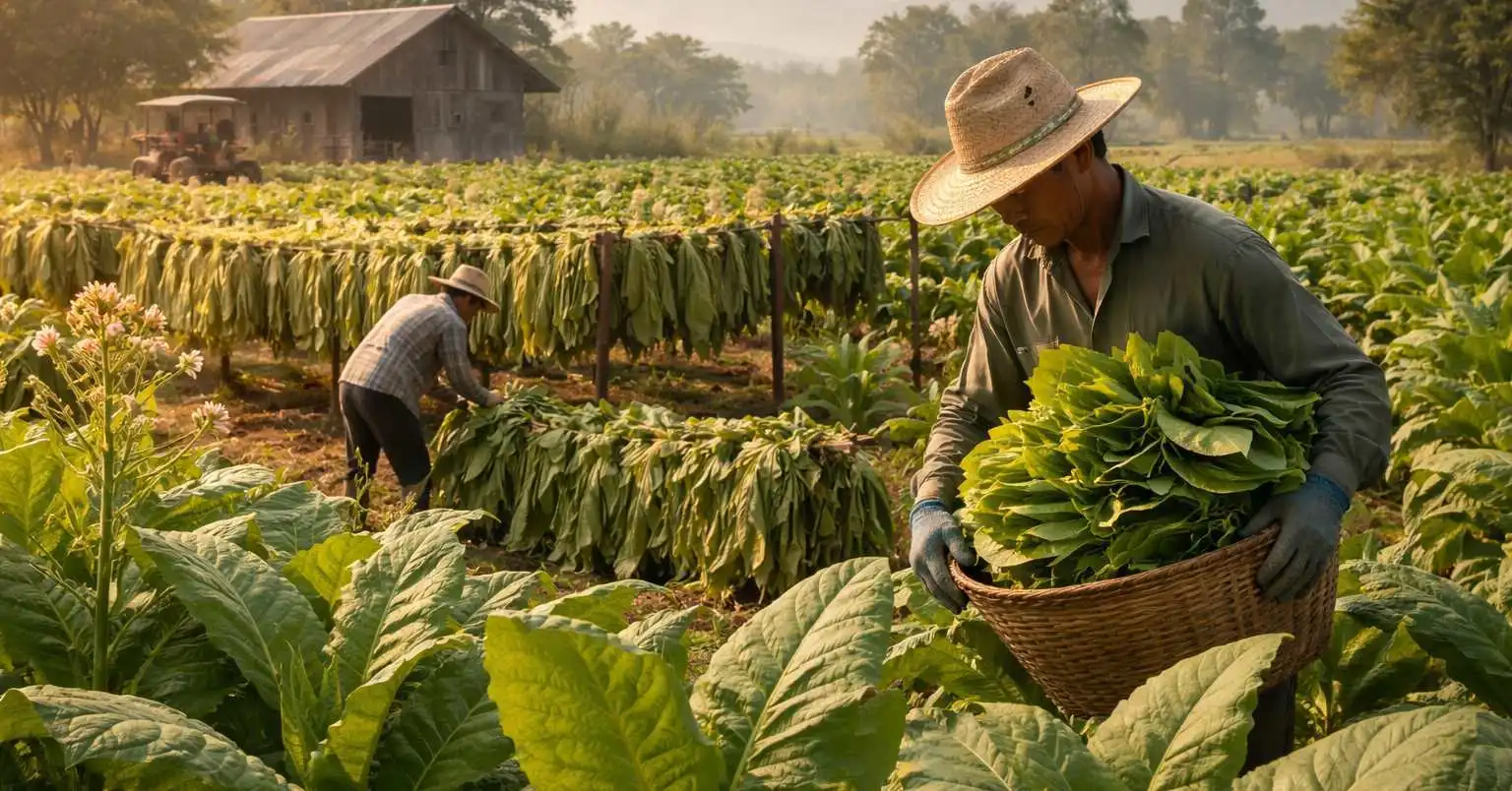

Today, Tobacco Curing is a crucial process that transforms freshly harvested green leaves into the aromatic, usable material recognized worldwide. Without this step, tobacco would remain harsh, unstable, and unsuitable for consumption or manufacturing. Understanding how curing works helps farmers, processors, and curious readers appreciate the science and tradition behind one of agriculture’s oldest practices.
Understanding the Basics of Tobacco Leaf Transformation
At its core, Tobacco Curing is the controlled aging of harvested leaves to develop color, aroma, texture, and chemical balance. Fresh tobacco contains high moisture, chlorophyll, and plant sugars that must be altered slowly. This process supports enzymatic changes that shape flavor while reducing bitterness.
Tobacco comes from the Nicotiana genus, a group of plants cultivated across many climates. Once harvested, the Plant leaves naturally begin to change as moisture evaporates and internal reactions start. Curing guides these reactions rather than leaving them to chance.
Why Tobacco Leaves Need Curing
Using green leaves directly is not feasible. Tobacco Curing helps stabilize the leaf by lowering moisture content and encouraging desirable chemical changes. These changes reduce harsh compounds and enhance aroma and usability.
Another reason curing is essential is long-term storage. Properly cured leaves resist mold and decay, making them suitable for transportation and manufacturing. This step also prepares leaves for later processes like tobacco drying and tobacco fermentation, which refine quality further.
Main Types of Tobacco Curing Methods
Different curing methods exist because leaf variety, climate, and end use vary. Each method manages airflow, humidity, and heat in unique ways.
1. Air Curing
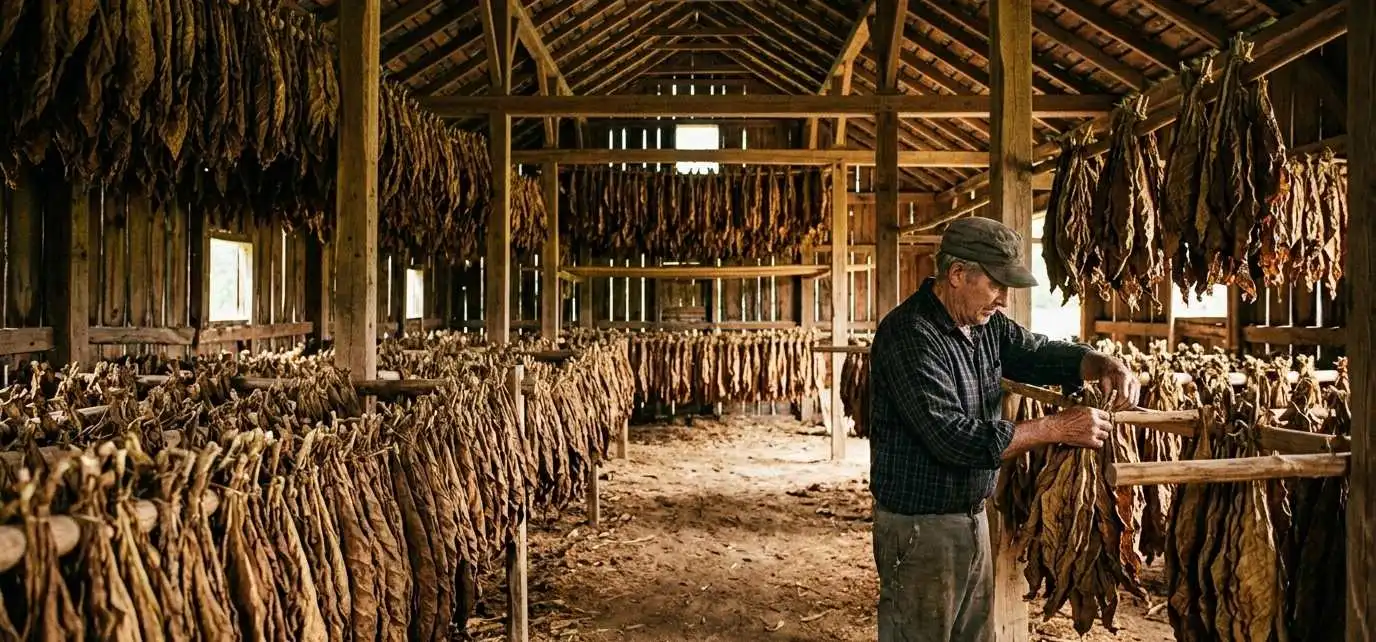
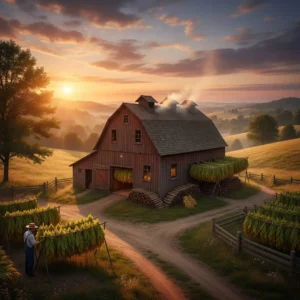
Air curing involves hanging leaves in well-ventilated barns for several weeks. Tobacco Curing through air exposure allows slow moisture loss and deep flavor development. This method is common for cigar and burley tobacco.
2. Flue Curing
Flue curing uses indirect heat circulated through flues or pipes. This form of Tobacco Curing is faster and helps retain natural sugars, resulting in lighter-colored leaves often used in cigarettes.
3. Fire Curing
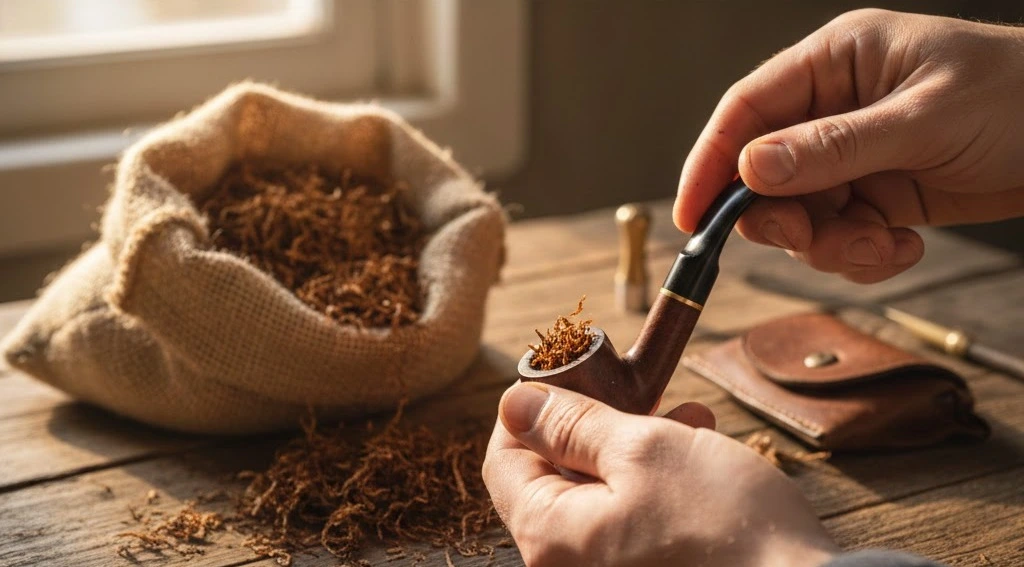
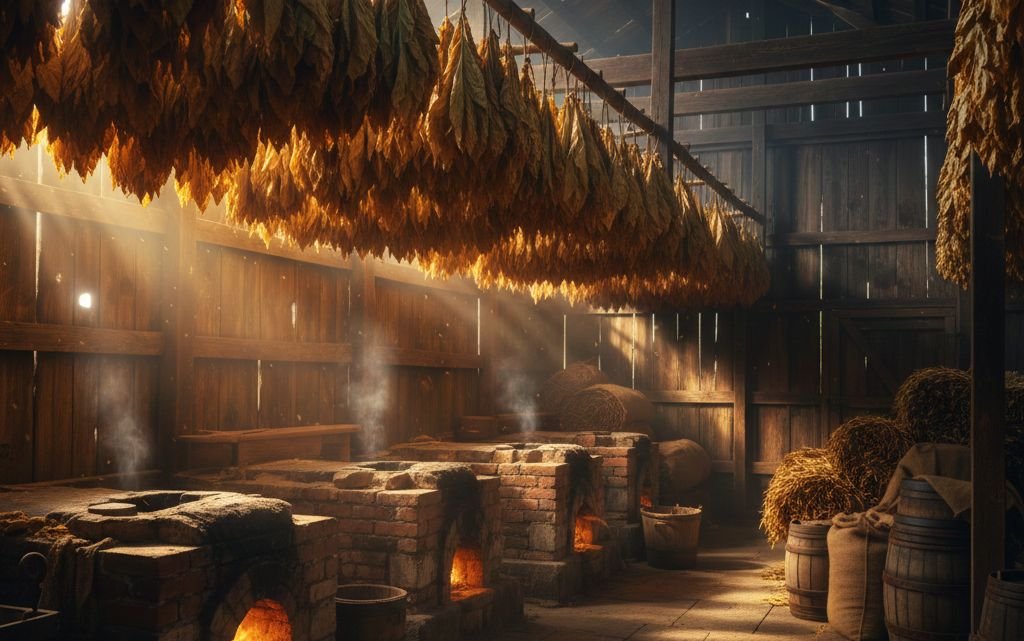
Fire curing exposes leaves to smoke from hardwood fires. This traditional Tobacco Curing approach adds a smoky aroma and darker color, commonly used for pipe blends and specialty products.
4. Sun Curing
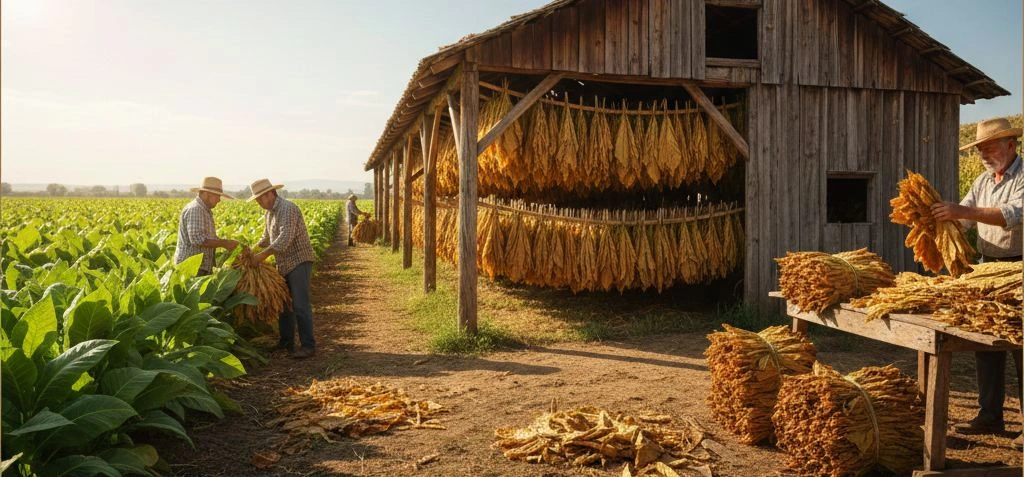
Sun curing relies on natural sunlight and open air. Though less common today, this Tobacco Curing method is still practiced in regions with consistent weather patterns.
Comparison of Tobacco Curing Methods
| Method | Duration | Key Characteristics | Common Uses |
|---|---|---|---|
| Air Curing | 4–8 weeks | Mild flavor, dark color | Cigars, burley |
| Flue Curing | 5–10 days | Bright color, higher sugars | Cigarettes |
| Fire Curing | Several weeks | Smoky aroma, robust taste | Pipes, chewing |
| Sun Curing | 2–4 weeks | Light aroma, low sugar | Regional blends |
The Role of Tobacco Drying
After curing, tobacco drying may continue to reduce residual moisture. This step is critical to prevent spoilage during storage. While curing initiates chemical changes, drying ensures the leaf reaches a stable condition. Controlled airflow and temperature keep the leaf supple without causing cracking or mold.
Tobacco Fermentation and Flavor Development
Tobacco fermentation often follows curing and drying. During this stage, stacked leaves generate mild heat through natural biochemical activity. This helps mellow sharp notes and deepen aroma. Though separate from curing, fermentation builds on the foundation created during Tobacco Curing, making it an essential link in the overall process.
Modern Tools and Industry Support
Advancements in barns, climate controls, and monitoring systems have improved consistency and efficiency. Many producers rely on experienced Tobacco Machinery Suppliers to access equipment that supports airflow regulation, humidity control, and safe handling. These innovations help balance tradition with modern agricultural demands.
Environmental Factors That Influence Curing
Humidity, temperature, and airflow all affect Tobacco Curing outcomes. High humidity slows moisture loss, while excessive heat can damage leaf structure. Farmers carefully monitor barns to guide the process smoothly, adapting methods based on seasonal conditions and leaf thickness.
Common Challenges During Tobacco Curing
Despite experience, challenges can arise. Uneven airflow may cause blotchy color, while excessive moisture can invite mold. Careful observation and gradual adjustments are essential. Skilled growers know that Tobacco Curing is as much an art as it is a science.
Final Thoughts on Tobacco Curing
From harvest to storage, Tobacco Curing shapes the identity of the final product. Each method brings unique qualities, influenced by plant variety, environment, and technique. Understanding these steps reveals how simple leaves evolve into complex agricultural products valued across cultures.
Frequently Asked Questions (FAQs)
1. What is the main purpose of tobacco curing?
The purpose is to reduce moisture and trigger natural chemical changes that improve aroma, stability, and usability.
2. How long does Tobacco Curing usually take?
Duration varies by method, ranging from a few days for flue curing to several weeks for air or fire curing.
3. Is curing the same as drying?
No. Curing initiates chemical changes, while drying mainly removes remaining moisture after those changes begin.
4. Does Nicotiana variety affect curing choice?
Yes. Different Nicotiana types respond better to specific curing methods based on leaf thickness and sugar content.
5. Can curing be done without barns or equipment?
Traditional sun curing uses minimal structures, but most modern methods require controlled environments for consistency.
6. What happens if Tobacco Curing is done incorrectly?
Poor curing can lead to uneven color, unpleasant taste, mold growth, or reduced shelf life.