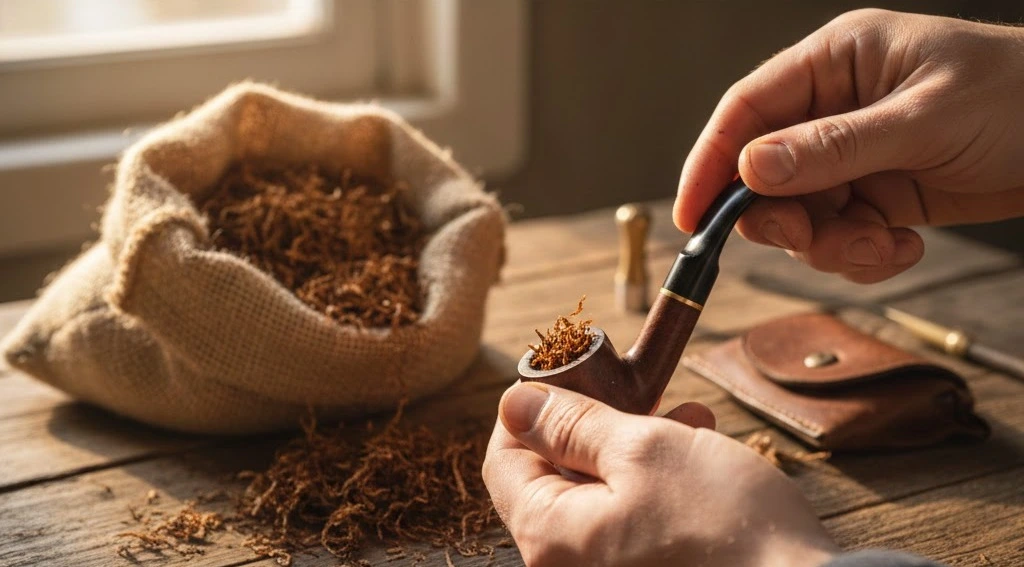

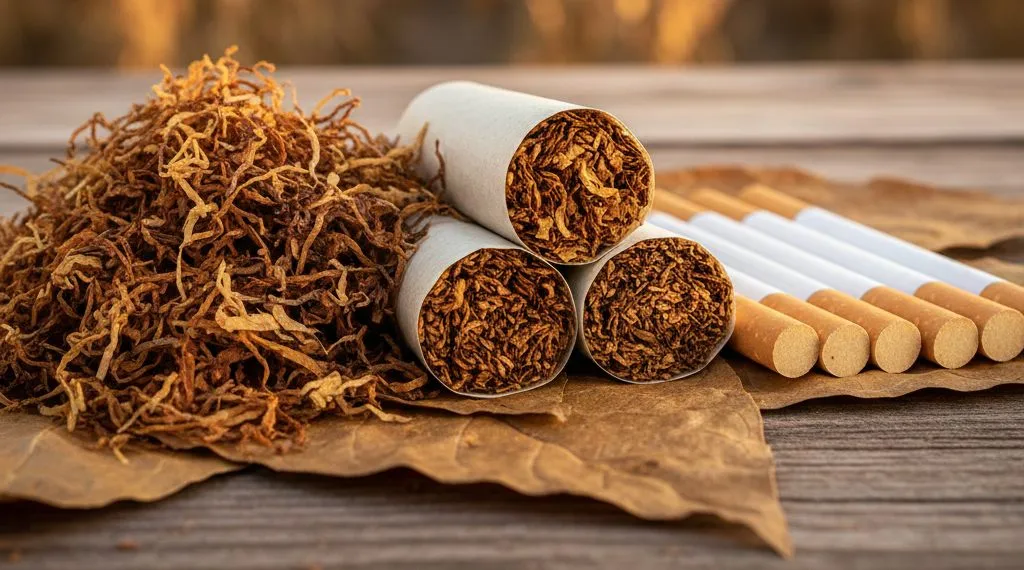
Tobacco machinery suppliers in USA filler plays a crucial role in the cigarette industry. From the initial stages of tobacco harvesting to the final product in stores across the USA and Canada, understanding tobacco filler helps you see how cigarettes achieve their distinct taste and burn quality. This essential component determines not only the flavor but also the smoking experience itself
The Role of Tobacco Filler in Cigarettes
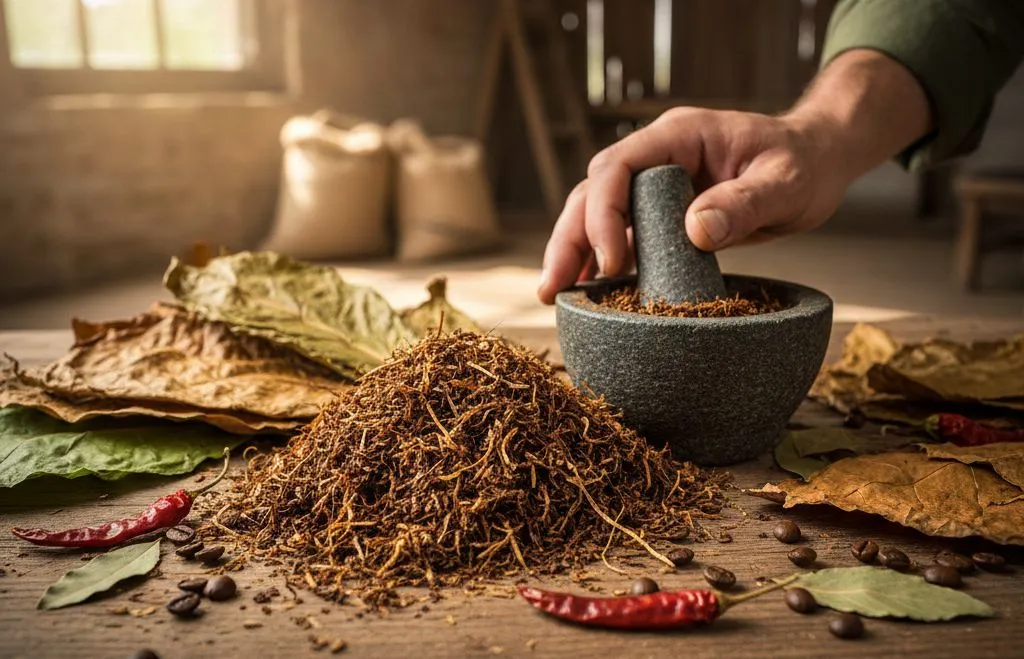
Tobacco filler, found inside every cigarette, consists of finely shredded tobacco leaves. Manufacturers combine various types of tobacco to achieve the desired flavor profile. The filler influences how a cigarette burns, its aroma, and even the strength of the nicotine delivery. In the USA and Canada, tobacco companies pay close attention to the composition of filler to satisfy consumer preferences.
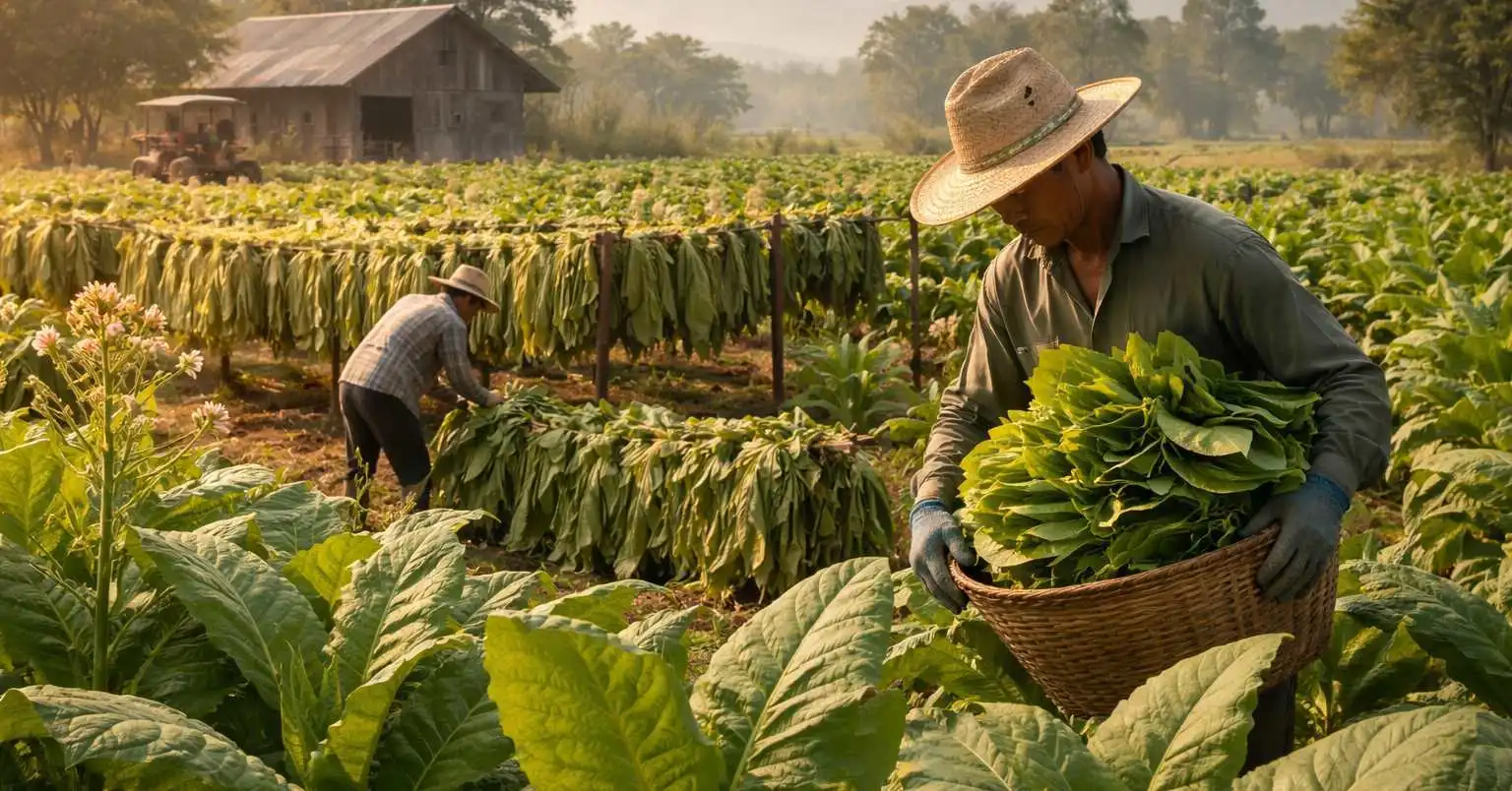
Tobacco harvesting begins months before cigarettes reach store shelves. Workers carefully collect mature tobacco leaves, which then undergo a series of processes including tobacco curing, tobacco drying, and tobacco fermentation. These steps prepare the leaves for blending and ultimately for use as filler. Each stage impacts the chemical properties, moisture content, and overall quality of the final product.
From Tobacco Leaves to Cigarette Filler
The journey from farm to cigarette starts with tobacco harvesting. Farmers in regions across North America grow several types of tobacco, such as Virginia, Burley, and Oriental. These varieties offer unique flavors and characteristics.
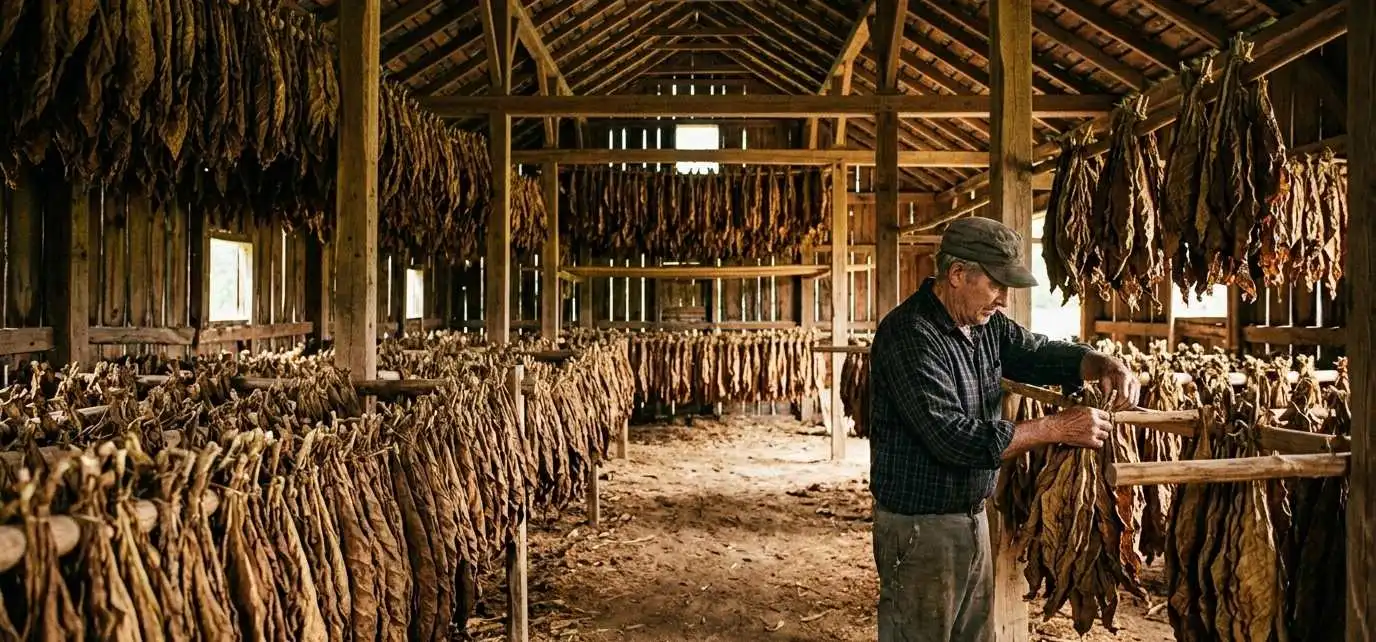
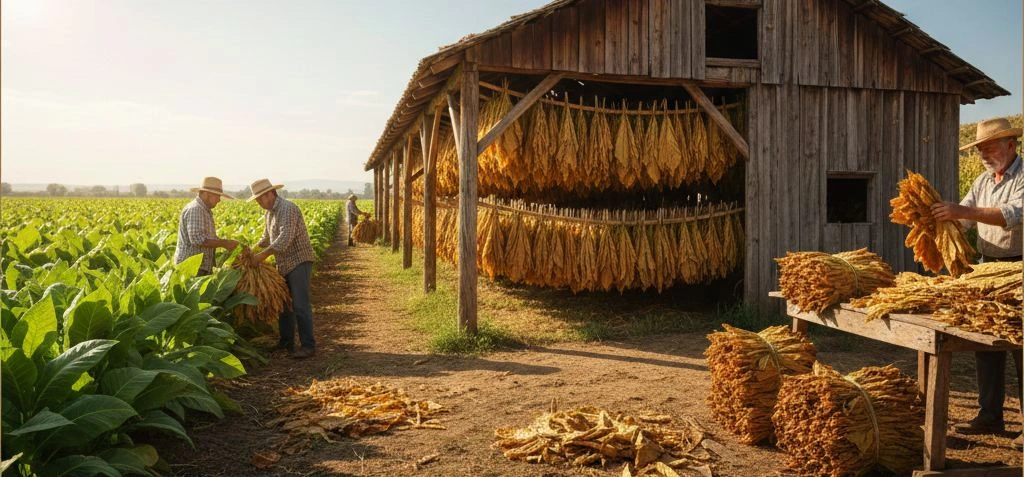
Once harvested, leaves enter the tobacco curing phase. During curing, leaves change color and develop essential sugars and flavors. Curing methods vary; some involve air curing, while others use flue curing to achieve different taste profiles. After curing, workers perform tobacco drying to reduce moisture content to optimal levels. This step prevents mold and ensures the tobacco maintains a consistent burn when smoked.
Next comes tobacco fermentation, a natural process that enhances flavor and aroma. Manufacturers carefully control temperature and humidity to allow chemical reactions within the leaves. Fermentation reduces harshness, allowing smokers in the USA and Canada to enjoy smoother cigarettes.
After these steps, the leaves reach production facilities for tobacco packing. Machines or skilled workers compress the shredded tobacco into filler, balancing density for a uniform burn. Tobacco wrapping then encases the filler in rolling paper, giving the cigarette its final shape and structure.
| Step in Process | Purpose |
|---|---|
| Tobacco Harvesting | Collect mature leaves for processing |
| Tobacco Curing | Develop flavors and sugars |
| Tobacco Drying | Reduce moisture to prevent mold |
| Tobacco Fermentation | Enhance flavor and reduce harshness |
| Tobacco Packing | Prepare filler for uniform burn |
| Tobacco Wrapping | Encapsulate filler into cigarette form |
How Filler Composition Affects Smoking
The type of tobacco used in filler significantly impacts taste and smoke characteristics. For example, Virginia tobacco provides sweetness, while Burley adds strength. Manufacturers blend these varieties to create products that appeal to different smokers.
Density and cut size also matter. A loosely packed filler burns quickly and may produce a lighter taste. Conversely, tightly packed filler slows the burn, delivering a richer flavor. Companies in Canada and the USA test various filler blends to match regional preferences.
Tobacco Machinery Suppliers and Production Efficiency
Cigarette manufacturers rely on modern equipment to handle large-scale production. Tobacco machinery suppliers provide the machines for cutting, mixing, packing, and wrapping tobacco efficiently. These machines ensure that filler maintains consistent quality, improving both the smoker’s experience and production reliability.
Environmental and Health Considerations
While tobacco filler shapes the sensory experience, it also carries health implications. Smokers should understand that every cigarette contains chemicals formed during curing, drying, and fermentation. Manufacturers must balance flavor and user satisfaction while following health and safety guidelines.
Innovations in Tobacco Filler
Modern cigarette manufacturers experiment with filler blends to meet consumer demands for smoother or lighter cigarettes. Some companies incorporate advanced processing methods in tobacco wrapping to improve consistency. These innovations often arise from collaborations with tobacco machinery suppliers and research labs in the USA and Canada.
FAQs
1. What is the main purpose of tobacco filler in cigarettes?
Tobacco filler determines flavor, burn quality, and nicotine delivery. It shapes the overall smoking experience.
2. How does tobacco harvesting affect filler quality?
Harvesting ensures that only mature leaves with ideal chemical properties reach curing and drying, which impacts filler consistency.
3. What role does tobacco curing play?
Curing develops sugars and flavors in the leaves, which directly influence the taste of the cigarette filler.
4. Why is tobacco fermentation important?
Fermentation enhances flavor and reduces harshness, creating a smoother smoking experience.
5. How does tobacco packing influence cigarettes?
Proper packing ensures an even burn and maintains the filler’s structural integrity inside the cigarette.
6. Are there regional differences in filler use between the USA and Canada?
Yes. The USA favors stronger blends, while Canada emphasizes lower tar and nicotine levels, affecting filler composition.
7. Do tobacco machinery suppliers impact filler quality?
Yes. Reliable machinery ensures consistent cutting, mixing, and packing, which preserves filler quality.
8. How does tobacco wrapping affect the cigarette?
Wrapping protects the filler, keeps the cigarette’s shape, and influences burn rate and smoke output.
9. Can filler affect the health risks of smoking?
Yes. All processed tobacco contains chemicals formed during curing, drying, and fermentation, which contribute to health risks.
10. What innovations exist in tobacco filler processing?
Manufacturers explore new blending techniques, advanced packing methods, and equipment improvements to maintain flavor and consistency.