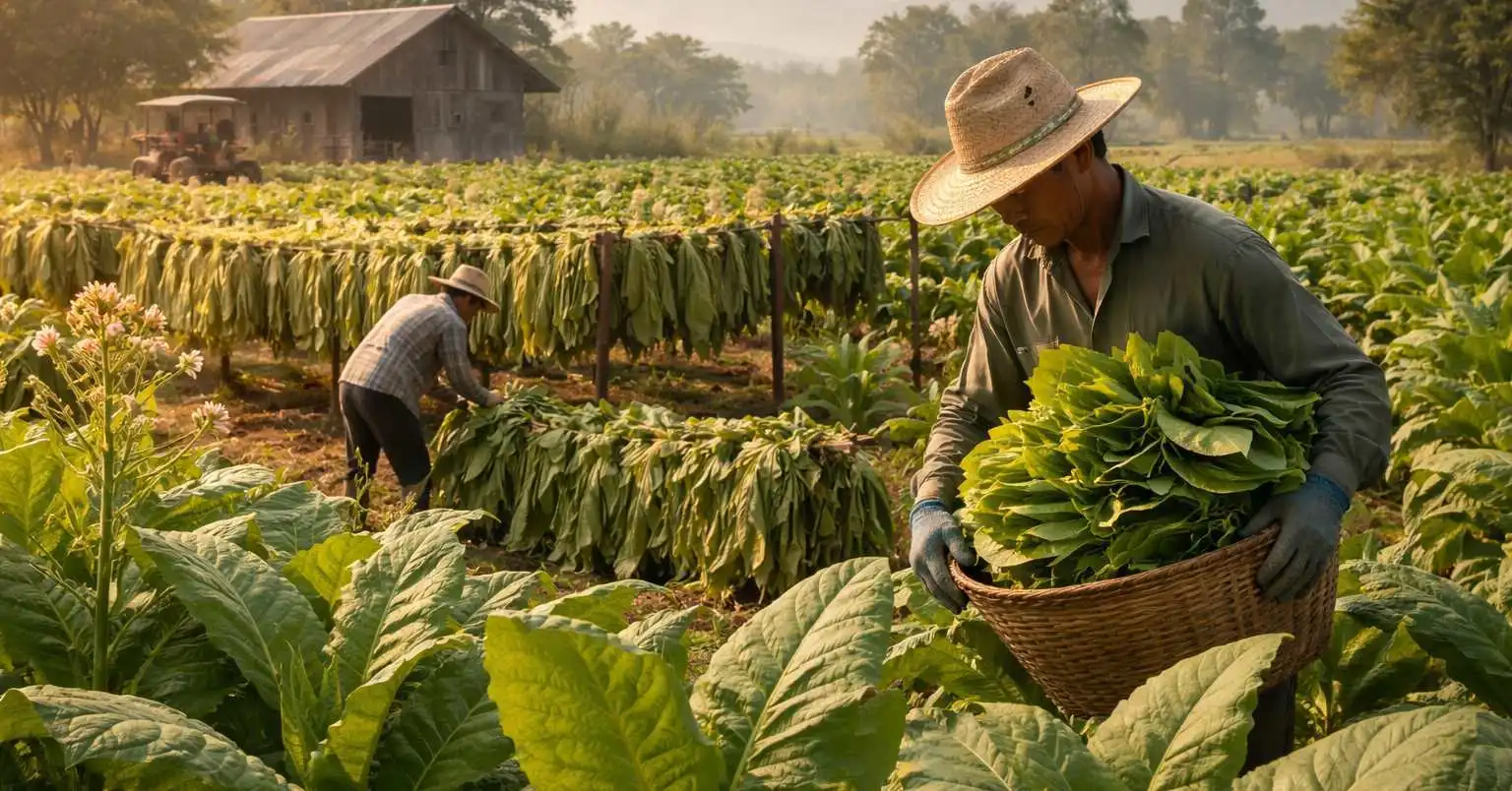

In Tobacco Harvesting, timing is the quiet force that shapes yield, flavor, and overall crop value long before the leaves ever reach the barn. Growers in major producing regions such as the USA and Canada understand that while soil and climate matter, harvesting at the right moment often defines commercial success. Months of careful field management can be undone quickly if timing is ignored.
Understanding the Science Behind Harvest Timing
Tobacco is not a single-moment crop; it is a living system that responds to light, temperature, and maturity in subtle ways. As a member of the Nicotiana genus, the plant develops chemical compounds gradually, with sugars, starches, and alkaloids shifting daily. Tobacco Harvesting must align with these changes to capture the leaf at its peak physiological state.
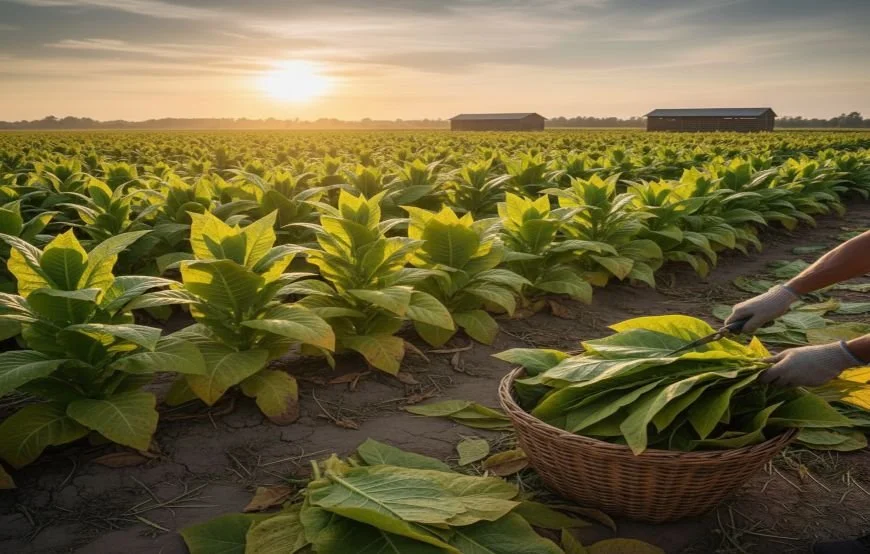
When leaves mature fully, they begin to yellow slightly and thicken, signaling readiness. If harvesting occurs too early, the plant leaves naturally lack sufficient sugars. Too late, and those sugars may convert excessively, leading to brittle leaves that complicate later handling.
The Role of Leaf Maturity in Quality Outcomes
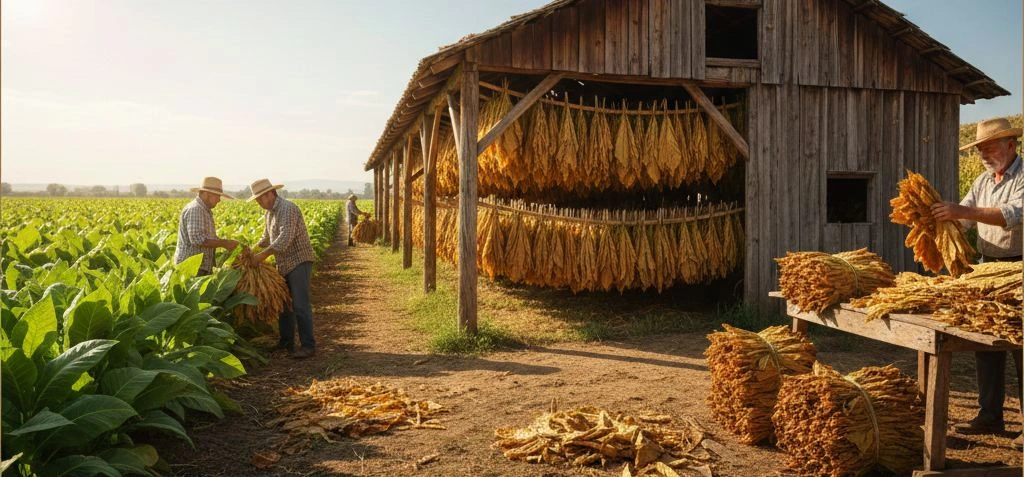
Leaf maturity is not uniform across the plant. Lower leaves ripen first, while upper leaves require more time and sunlight. Skilled growers approach Tobacco Harvesting in stages, priming leaves as they reach readiness. This staggered approach respects the plant’s growth rhythm and supports even results during tobacco curing.
Mature leaves respond better to controlled airflow and humidity during tobacco drying. Immature leaves, by contrast, often dry unevenly, leading to color variation and inconsistent texture that can reduce market appeal across domestic and export markets.
Weather Windows and Field Conditions
Weather plays a decisive role in Tobacco Harvesting success. Harvesting during dry conditions helps prevent surface moisture that can encourage mold during early curing stages. Excessively hot days can stress harvested leaves, while cool, damp mornings may slow initial wilting.
In North American regions, including parts of the USA and southern Canada, growers often monitor seasonal shifts closely, choosing harvest windows that balance leaf maturity with stable field conditions. This careful timing reduces losses and supports smoother transitions into barns or sheds designed for tobacco curing.
Timing and Its Impact on Curing, Drying, and Fermentation
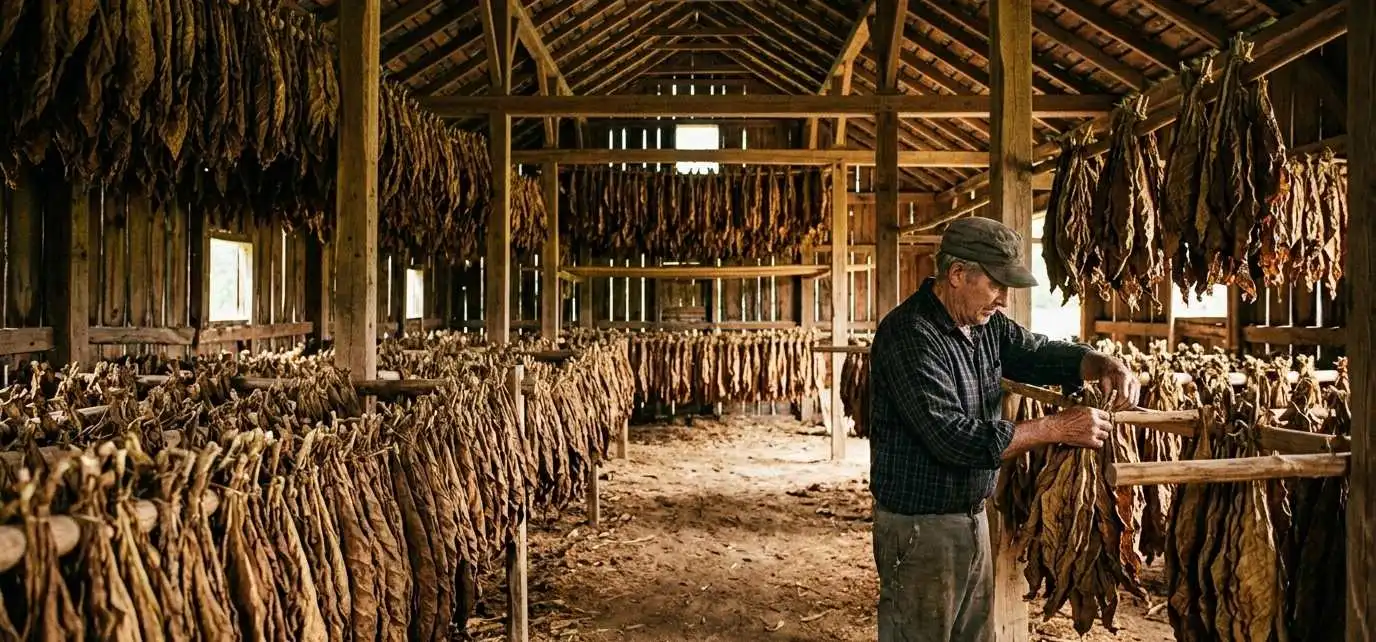
The clock does not stop once leaves are picked. Harvest timing directly influences tobacco curing efficiency. Leaves harvested at the right moment yellow evenly, allowing starches to break down gradually. This sets the stage for effective tobacco drying, where moisture is reduced without locking in harsh flavors.
Later, during tobacco fermentation, well-timed harvests show more predictable chemical changes. Sugars and nitrogen compounds interact steadily, producing smoother aroma and taste. Poorly timed harvests often ferment unevenly, requiring extra sorting or reprocessing.
Common Harvest Timing Indicators at a Glance
| Indicator | What It Signals | Harvest Decision |
|---|---|---|
| Slight yellowing | Full maturity | Ideal to begin |
| Thick, oily feel | Sugar development | Proceed |
| Deep green color | Immaturity | Delay |
| Brittle texture | Over-maturity | Urgent action |
Using these indicators helps refine Tobacco Harvesting decisions without relying on guesswork.
Labor Planning and Equipment Readiness
Timing affects people and tools as much as plants. Coordinating labor availability with harvest windows ensures leaves are handled gently and efficiently. Some growers work with Tobacco Machinery Suppliers to align equipment capacity with expected harvest dates, reducing delays that could compromise leaf condition.
In a separate but related consideration, reliable suppliers of machinery help farms maintain consistent operations during peak season. Well-maintained cutters, conveyors, and loaders reduce stress on leaves immediately after Tobacco Harvesting, supporting better curing outcomes across diverse farm sizes.
Economic Implications of Getting Timing Right
Market grades and pricing are closely tied to leaf quality. Correct timing improves uniformity, which buyers value. Each successful Tobacco Harvesting cycle strengthens a farm’s reputation and reduces waste from rejected or downgraded leaves.
Mistimed harvests often increase costs later—extra labor for sorting, extended curing periods, or losses during fermentation. Over a season, these add up, making timing one of the most cost-effective management decisions available to growers.
Best Practices for Consistent Results
Experienced growers rely on field observation rather than rigid calendars. Walking fields daily as maturity approaches allows adjustments based on real conditions. Combining observation with weather awareness ensures Tobacco Harvesting stays flexible and responsive.
Documentation also helps. Recording dates, conditions, and outcomes builds a farm-specific knowledge base that improves decisions year after year, especially in regions with variable climates.
FAQs
Q1: Why is timing more important than yield size?
Because Tobacco Harvesting at the right moment ensures chemical balance, which ultimately determines usability and value more than sheer volume.
Q2: Can delayed harvesting be corrected during curing?
Only partially. Tobacco curing can enhance well-harvested leaves, but it cannot fully fix problems caused by poor timing.
Q3: How does timing affect flavor development?
Proper timing preserves sugars and compounds that later transform during tobacco fermentation, shaping smoother flavor profiles.
Q4: Is harvest timing the same for all tobacco types?
No. Different Nicotiana varieties mature at different rates, requiring tailored harvest strategies
Conclusion: Timing as the Foundation of Success
From field to final product, every stage depends on decisions made at harvest. Tobacco Harvesting done at the right time supports efficient curing, controlled drying, and balanced fermentation. It protects investment, improves quality, and simplifies downstream processes. In the end, timing is not just a step, it is the foundation upon which successful tobacco production is built.