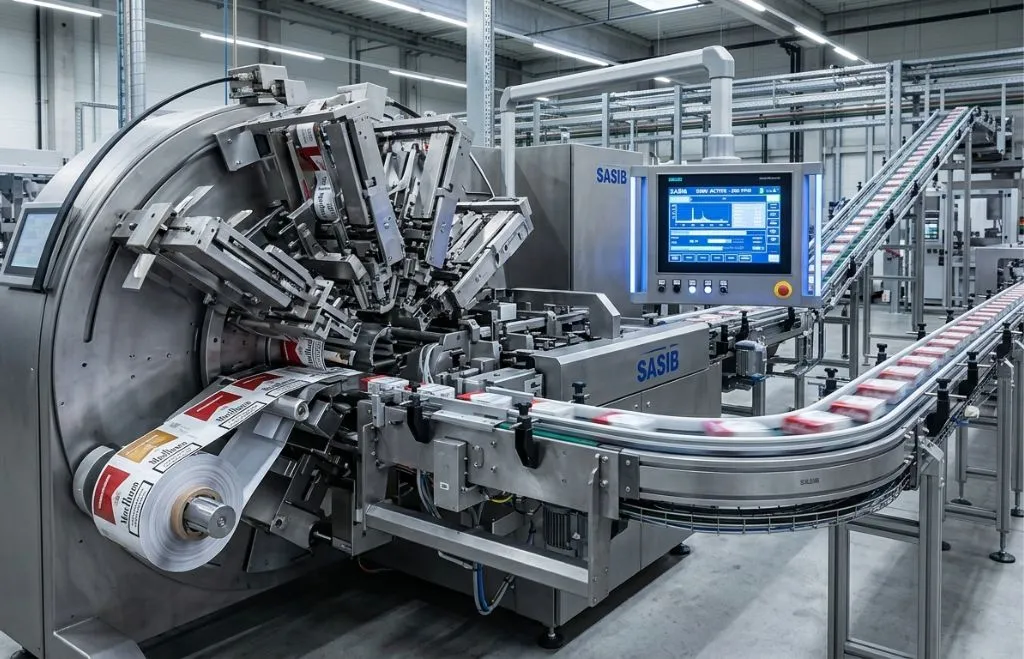

Tobacco filler is the cut tobacco blend packed inside every cigarette rod — the primary material that determines flavor profile, burn rate, draw resistance, and nicotine delivery. It consists of finely cut tobacco leaf from one or more variety types — typically Virginia, Burley, and Oriental — blended in specified ratios and processed to a consistent cut width and moisture specification before entering the cigarette making machine. Understanding what tobacco filler is, how it is processed, and how its properties affect cigarette production is essential for any factory buyer specifying primary processing equipment or managing blend quality on a cigarette making line.
Tobacco Filler Types — Virginia, Burley, and Oriental
Virginia tobacco (flue-cured): Virginia is the most widely used tobacco in global cigarette blends. Flue-cured in controlled barns using indirect heat, Virginia tobacco develops high natural sugar content which produces a sweet, mild flavor and clean burn characteristics. Virginia-heavy blends produce lighter, smoother cigarettes and are the dominant blend style in most international markets.
Burley tobacco (air-cured): Burley is air-cured in open barns without artificial heat — a slower process that produces a low-sugar, high-nicotine leaf with an earthy, slightly bitter character. Burley is used in blended cigarettes to add strength and body, and is particularly important in American blend cigarettes where it forms a significant proportion of the filler alongside Virginia and Oriental.
Oriental tobacco (sun-cured): Oriental tobaccos — grown primarily in Turkey, Greece, and the surrounding region — are small-leafed, sun-cured varieties with complex aromatic characteristics. They contribute flavor complexity, aroma, and a distinctive smoking character that neither Virginia nor Burley can replicate. Oriental tobacco is used at lower percentages than Virginia or Burley but has a disproportionate influence on the aromatic profile of the finished cigarette.
Reconstituted tobacco and expanded tobacco: Modern cigarette blends also incorporate reconstituted tobacco sheet — manufactured from tobacco dust, stems, and processing waste compressed into a sheet and re-cut to filler width — and expanded tobacco, where leaf is treated to increase its volume and reduce the weight of tobacco required per cigarette. Both components are blended with natural cut filler in controlled ratios.
How Tobacco Filler Is Processed for Cigarette Production
Tobacco filler does not go directly from leaf to cigarette maker. It passes through a multi-stage primary processing sequence that transforms raw harvested leaf into the precisely conditioned cut filler that the cigarette making machine can process consistently.
| Stage | Purpose | Impact on Filler Quality |
| Tobacco harvesting | Collect mature leaves with correct chemical properties | Harvest timing determines sugar content and leaf structure |
| Tobacco curing | Develop sugars and flavors — flue-cured, air-cured, fire-cured | Curing method determines sweetness, strength, and burn characteristics |
| Tobacco drying | Reduce moisture to optimal level for processing | Moisture specification affects feed behavior in cigarette maker |
| Tobacco fermentation | Enhance flavor and reduce harshness through controlled chemical reaction | Fermentation depth affects nicotine chemistry and aroma profile |
| Primary processing — cutting | Reduce leaf to cut filler at specified cut width | Cut width directly affects rod density and draw resistance |
| Primary processing — blending | Combine Virginia, Burley, Oriental and other grades to specification | Blend ratio determines final product flavor, strength, and burn rate |
| Cigarette making — rod formation | Compress cut filler into a continuous rod at production speed | Filler density consistency determines cigarette weight uniformity |
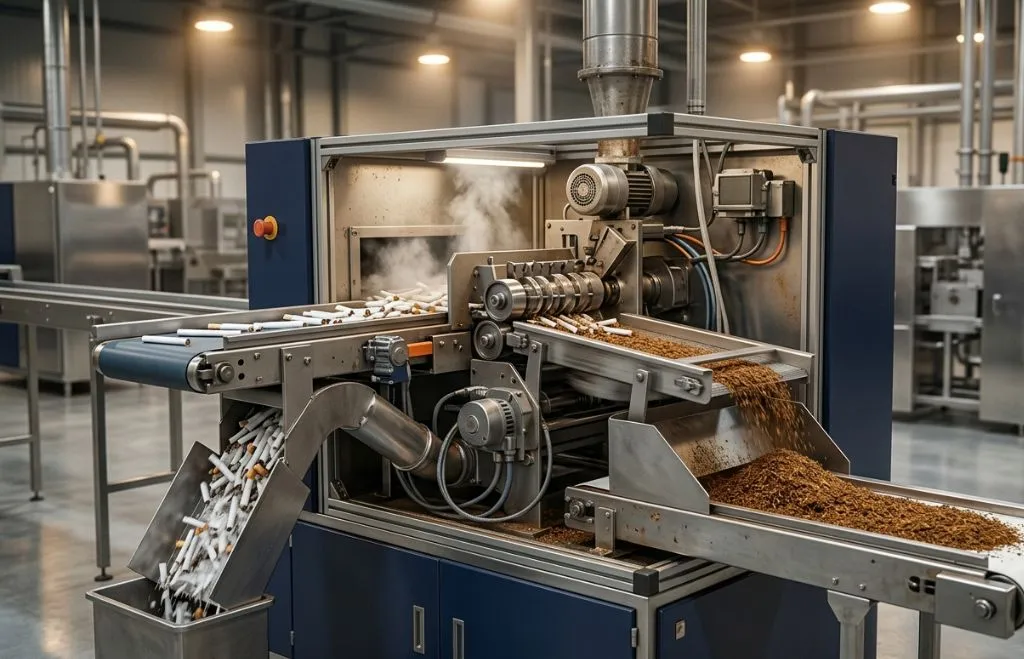
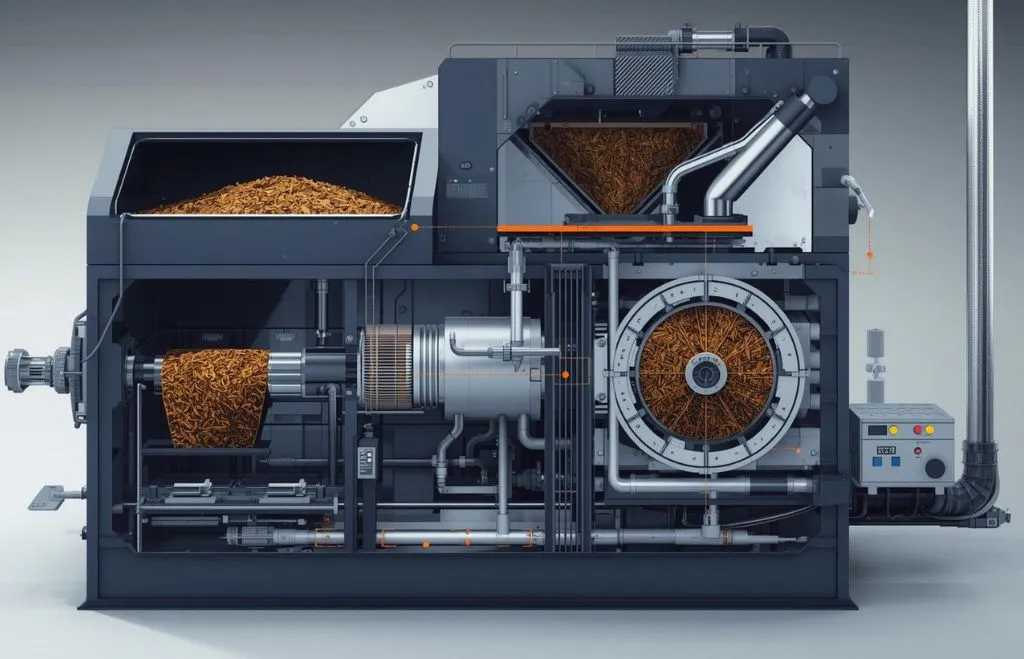
The most mechanically critical stage for cigarette production is the cutting stage — where leaf is cut to the specified cut width. Cut width directly determines how the filler flows through the tobacco feeder and garniture section of the cigarette maker. Too wide a cut produces uneven density and high draw resistance variation. Too fine a cut produces excessive dust generation and feed flow problems. For a full explanation of how cut filler flows through the tobacco feeder system into the cigarette maker, see our guide to the Tobacco Feeder System: How It Works & Machine Compatibility Guide.
How Tobacco Filler Properties Affect Cigarette Production
Cut width: The cut width of the tobacco filler — measured in cuts per inch or millimetres — determines how easily the filler flows through the cigarette maker’s garniture section. Standard cut widths for most cigarette blends range from 0.8mm to 1.2mm. Narrower cuts flow more freely but generate more dust. Wider cuts can cause uneven distribution in the garniture and rod density variation.
Moisture content: Filler moisture at the cigarette maker infeed should typically be 12 to 14 percent. Below 12 percent the filler flows too freely — surging through the garniture and producing overweight cigarettes. Above 14 percent the filler clumps — causing feed stoppages, underweight cigarettes, and garniture contamination. Moisture control in the conditioning section before the cigarette maker is critical for consistent production.
Blend density: The bulk density of the cut filler blend — how much mass occupies a given volume — determines the tobacco feeder’s required feed rate setpoint. When a new blend specification is introduced or the blend ratio changes, the feeder feed rate must be recalibrated to account for the density change. A denser blend at the same feed rate setpoint produces overweight cigarettes.
Fill value: Fill value is a measure of how much volume a given weight of tobacco occupies — a higher fill value means the tobacco expands more, allowing factories to use less tobacco per cigarette without reducing the rod’s apparent density. Expanded tobacco components are specifically designed to increase fill value, reducing per-cigarette tobacco cost without changing the rod diameter or weight specification.
For a complete overview of how tobacco filler flows through the full cigarette production sequence from primary processing to finished rod, see our guide to How a Cigarette Production Line Works: Step-by-Step Process.
Tobacco Filler and Cigarette Maker Compatibility
Not all tobacco filler specifications are compatible with all cigarette making machines. Cut width, moisture, and blend density must all fall within the cigarette maker’s operational parameters for consistent production.
- Slim and super slim cigarettes require narrower cut filler than standard formats — the garniture section on slim configurations has a smaller forming cross-section that requires finer cut material to flow without bridging
- High reconstituted tobacco content blends require careful moisture management — reconstituted sheet absorbs and releases moisture differently from natural leaf and can cause feed inconsistency if conditioning is not optimized
- Expanded tobacco blends require feed rate recalibration when introduced — their higher fill value means the same volumetric feed rate delivers less mass per unit time
For a complete guide to the cigarette making machines that process tobacco filler into finished cigarette rods, see our Cigarette Making Machines: The Complete Buyer’s Guide.
Frequently Asked Questions
What is tobacco filler in a cigarette?
Tobacco filler is the cut tobacco blend packed inside every cigarette rod. It consists of finely cut tobacco leaf from one or more variety types — typically Virginia, Burley, and Oriental — blended in specified ratios and processed to a consistent cut width and moisture specification. The filler determines the cigarette’s flavor profile, burn rate, draw resistance, and nicotine delivery.
What are the main types of tobacco used in cigarette filler?
The three main types are Virginia (flue-cured — sweet, mild, high sugar content), Burley (air-cured — earthy, high nicotine, low sugar), and Oriental (sun-cured — aromatic, complex flavor). Modern blends also incorporate reconstituted tobacco sheet and expanded tobacco at controlled percentages alongside these natural leaf types.
How does tobacco filler cut width affect cigarette production?
Cut width determines how easily the filler flows through the cigarette maker’s garniture section. Standard cut widths range from 0.8mm to 1.2mm. Narrower cuts flow more freely but generate more dust. Wider cuts can cause uneven distribution in the garniture and rod density variation. When a new blend specification with a different cut width is introduced, the cigarette maker’s feed rate and garniture settings must be adjusted accordingly.
What moisture content should tobacco filler be at the cigarette maker infeed?
Tobacco filler moisture at the cigarette maker infeed should typically be 12 to 14 percent. Below 12 percent the filler flows too freely and produces overweight cigarettes. Above 14 percent the filler clumps and causes feed stoppages and underweight cigarettes. Moisture control in the conditioning section before the cigarette maker is critical for consistent rod weight production.
What is fill value in tobacco filler?
Fill value is a measure of how much volume a given weight of tobacco occupies. A higher fill value means the tobacco expands more — allowing factories to use less tobacco per cigarette without reducing the rod’s apparent density. Expanded tobacco components are specifically engineered to increase fill value, reducing per-cigarette tobacco cost without changing the rod diameter or weight specification.
Conclusion
Tobacco filler is the foundation of every cigarette — its composition, cut width, moisture content, and density determine the quality, consistency, and cost of the finished product. For factory buyers managing a cigarette making line, understanding how filler properties interact with the cigarette maker’s feed system, garniture, and weight control system is as important as understanding the machine specifications themselves. For a complete technical guide to how filler flows through the tobacco feeder and into the rod making section, see our Tobacco Feeder System guide. For tobacco machinery suppliers in USA who supply primary processing and cigarette making equipment, see our dedicated suppliers page.