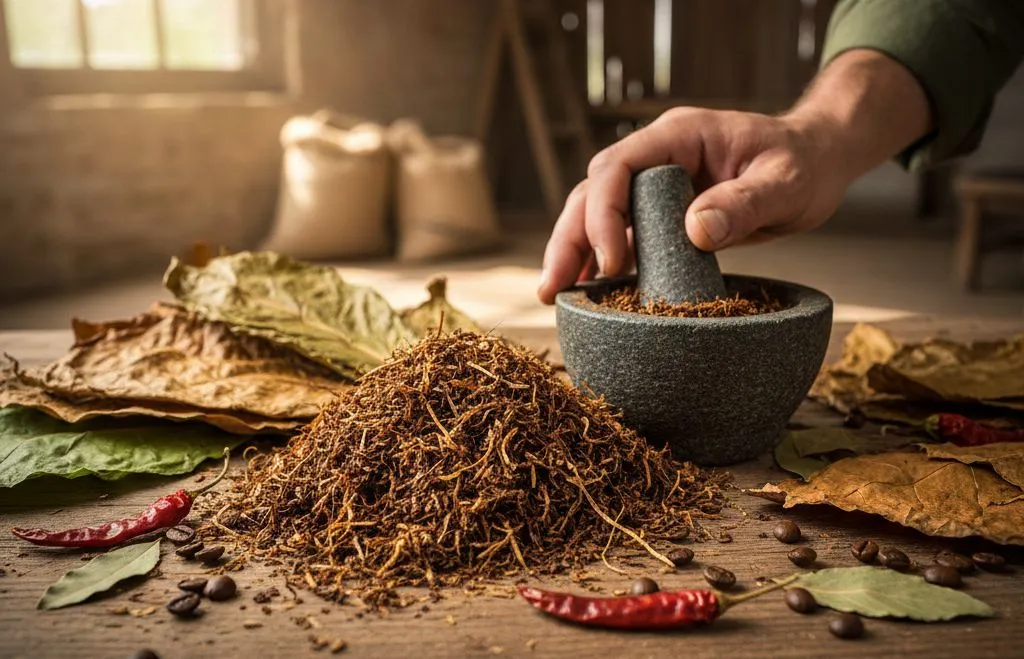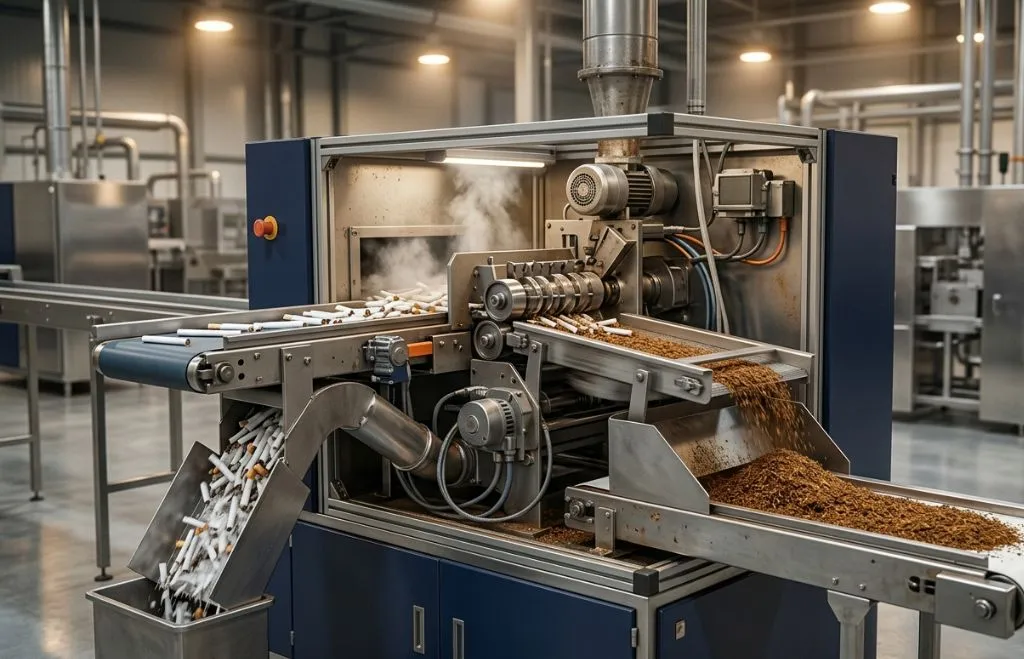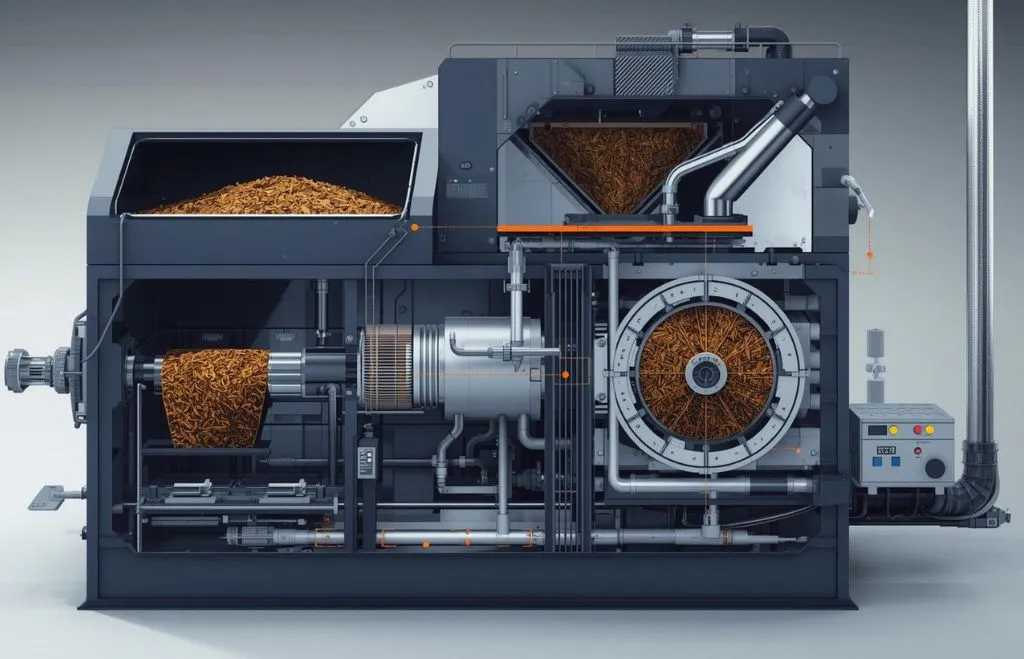
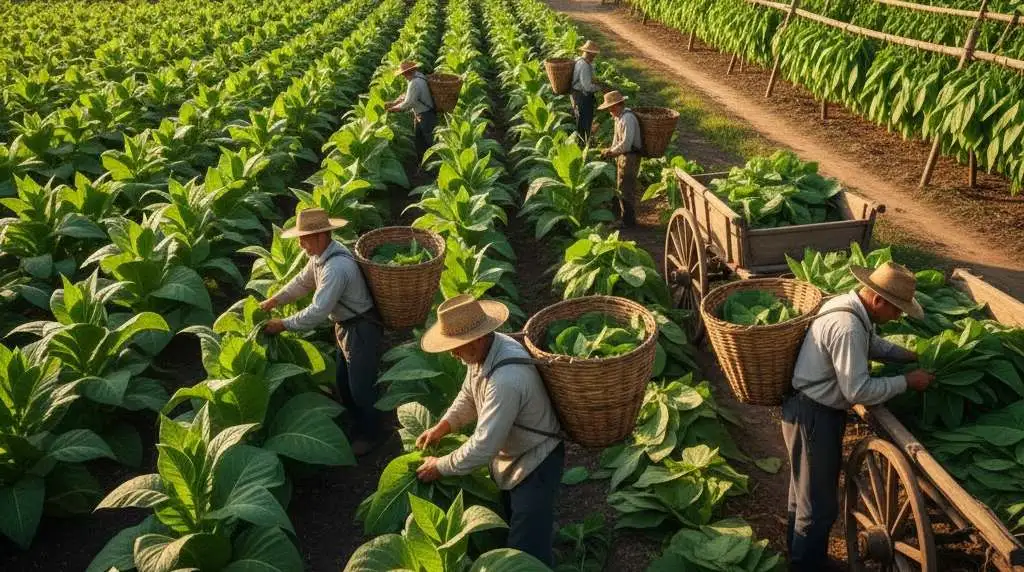
Tobacco farming techniques have been developed over centuries — refined by generations of growers who learned how soil management, variety selection, topping, irrigation, and harvest timing all interact to produce leaf with the chemical and physical properties that cigarette manufacturers need. Understanding these techniques matters to factory buyers and production managers because every farming decision made before the leaf arrives at the factory gate has a downstream consequence for primary processing quality, blend consistency, and cigarette making machine performance. This guide covers the key tobacco farming techniques at each stage of production and explains what each one means for the leaf quality that enters your production line.
Why Tobacco Farming Techniques Matter for Factory Buyers
Most factory buyers focus on what happens inside the factory — primary processing, blending, cutting, and cigarette making. But the quality of incoming leaf — determined entirely by farming decisions made months before factory arrival — sets the ceiling for what primary processing can achieve.
- Inconsistent leaf chemistry from variable farming practices forces primary processing to work harder to achieve blend consistency
- Physical leaf damage from poor post-harvest handling creates processing defects — irregular cut edges, excess dust, and feed flow problems at the cigarette maker
- Variable moisture from poor irrigation management requires more aggressive conditioning before primary processing — extending cycle time and increasing conditioning energy cost
- Incorrect topping timing produces leaf with off-specification nicotine content that affects blend strength and requires reformulation
Factory buyers who understand tobacco farming techniques can use this knowledge to interpret incoming leaf quality data, communicate specifications clearly to leaf suppliers, and identify when leaf quality problems — not machine problems — are the root cause of production inconsistencies. For a complete guide to how leaf quality affects cigarette making machine performance, see our guide to What Is Tobacco Filler and How It Shapes Cigarettes.
Key Tobacco Farming Techniques and Their Impact on Leaf Quality
| Farming Stage | Key Technique | Impact on Leaf Quality for Factory Processing |
|---|---|---|
| Soil preparation | Crop rotation and pH management | Soil chemistry affects leaf nicotine and sugar levels — consistent soil management produces consistent leaf chemistry batch to batch |
| Variety selection | Match variety to climate and blend target | Variety determines curing method and resulting leaf chemistry — wrong variety for local climate produces inconsistent leaf |
| Topping | Remove flower head at correct growth stage | Topping timing directly affects nicotine content and leaf size — late topping reduces nicotine, early topping reduces leaf size |
| Suckering | Remove axillary shoots throughout season | Inadequate suckering diverts energy from leaf lamina — reduces usable leaf yield and leaf size |
| Irrigation management | Controlled watering avoiding over-saturation | Excess moisture at harvest produces high-moisture leaf requiring extended conditioning before processing |
| Harvest timing — priming | Harvest by leaf position as each priming matures | Priming by maturity produces uniform batch chemistry — cutting all at once produces highly variable leaf |
| Post-harvest handling | Minimize leaf damage during stringing and transport | Physical leaf damage creates processing defects — torn leaf produces irregular cut edges and excess dust in primary processing |
Soil Preparation and Crop Rotation
Tobacco is a demanding crop that depletes specific soil nutrients rapidly. Traditional tobacco farming regions — Virginia, Kentucky, North Carolina, and Turkish Oriental growing areas — have developed crop rotation practices that maintain soil fertility and reduce disease pressure between tobacco crops. Rotating tobacco with cover crops like wheat, rye, or legumes restores nitrogen, prevents the buildup of tobacco-specific soil pathogens, and maintains the soil structure that tobacco roots require for consistent nutrient uptake.
Soil pH management is critical for tobacco — optimal pH for most commercial varieties is 5.8 to 6.5. Outside this range nutrient availability changes significantly, affecting leaf chemistry. Consistent soil management from season to season produces more consistent leaf chemistry batch to batch — which directly supports stable blend specifications and predictable cigarette making machine performance.
Variety Selection — Matching Variety to Climate and Target
Tobacco variety selection is one of the most consequential farming decisions — it determines which curing method will be used, what the resulting leaf chemistry will be, and what blend position the leaf will occupy. Virginia varieties suited to flue curing grow best in well-drained sandy loam soils in warm humid climates. Burley varieties suited to air curing grow better in heavier soils in cooler climates with good natural ventilation. Oriental varieties require the specific dry sunny climate of the Eastern Mediterranean growing region.
Planting the wrong variety for the local climate produces leaf that does not develop correctly — insufficient sugar development in flue-cured leaf, inadequate nicotine levels in Burley, or poorly developed aromatic oils in Oriental varieties. Variety-to-climate mismatch is a common cause of incoming leaf quality problems that primary processing cannot correct.
Topping — Timing and Height
Topping — the removal of the flower head from each plant — is one of the most impactful management decisions in tobacco farming. When the plant flowers, it redirects energy from leaf development to seed production. Topping before or at the point of flowering stops this energy diversion and forces the plant to concentrate resources in the remaining leaves — increasing their size, thickness, and nicotine content.
Too early topping: Removes the flower head before the plant has developed sufficient leaf area — reducing yield per plant and producing smaller, thinner leaves that generate more dust in primary processing.
Too late topping: Allows the plant to partially redirect energy to seed development before topping — reducing nicotine content and producing leaf with lower chemical concentration than the variety is capable of.
Correct topping timing: Typically done when the first flowers are fully open — maximizing leaf size, nicotine content, and leaf quality for the target variety and growing region.
Priming — Harvesting by Leaf Position
Priming is the traditional harvesting method where mature leaves are picked from the bottom of the plant first — working upward as each leaf position reaches full maturity over a period of several weeks. This staged approach ensures that each priming harvests leaves at the same maturity stage, producing a batch with consistent chemistry.
The alternative — cutting the entire plant at once — harvests leaves at different maturity stages simultaneously. Upper leaves, which mature later, are immature at the time of cutting — producing a highly variable batch with mixed sugar content, inconsistent moisture, and variable physical structure. Priming is labor-intensive but produces significantly more consistent leaf quality for factory processing.
Post-Harvest Handling — Protecting Leaf Physical Integrity
Physical leaf damage during the post-harvest handling stages — stringing, hanging, and transport to curing barns — creates defects that carry through primary processing. Torn, bruised, or crushed leaf produces irregular cut edges when processed through primary cutting equipment, increases dust generation, and can cause feed flow inconsistencies at the cigarette maker’s tobacco feeder system.
Modern farms use mechanized leaf handling systems that minimize physical damage during stringing and barn loading — maintaining leaf integrity from harvest through curing. For a complete guide to how leaf condition at factory arrival affects primary processing and cigarette making machine performance, see our guide to How a Cigarette Production Line Works: Step-by-Step Process.
Frequently Asked Questions
What are the key tobacco farming techniques?
The key tobacco farming techniques are soil preparation and crop rotation, variety selection matched to climate and blend target, topping at the correct growth stage, suckering throughout the growing season, controlled irrigation management, priming by leaf position at harvest, and careful post-harvest handling to minimize physical leaf damage. Each of these decisions affects the chemical and physical quality of the leaf that enters factory primary processing.
How does topping affect tobacco leaf quality?
Topping removes the flower head before the plant diverts energy to seed production, forcing resources into the remaining leaves. Correct topping timing maximizes leaf size, thickness, and nicotine content for the variety. Early topping reduces leaf size and yield. Late topping allows partial energy diversion to seed production before topping, reducing nicotine content below the variety’s potential.
Why is priming better than whole-plant harvesting for factory leaf quality?
Priming harvests leaves at the same maturity stage by picking from the bottom of the plant first and working upward as each position matures. This produces a batch with consistent chemistry — consistent sugar content, nicotine level, and moisture. Whole-plant harvesting at a single time point harvests leaves at different maturity stages simultaneously, producing a highly variable batch that is more difficult to process consistently in primary processing.
How does soil management affect cigarette production quality?
Soil chemistry directly affects leaf nicotine and sugar levels. Consistent soil pH management (5.8 to 6.5) and crop rotation maintain nutrient availability and soil structure that produce consistent leaf chemistry from season to season. Variable soil conditions produce variable leaf chemistry — which creates blend consistency challenges in primary processing and can cause cigarette weight variation at the making machine if the blend density changes between incoming leaf batches.
Conclusion
Tobacco farming techniques set the foundation for everything that happens in the factory. Soil management, variety selection, topping timing, priming discipline, and post-harvest handling all determine the chemical and physical quality of the leaf that arrives at primary processing. Factory buyers who understand these upstream variables can better interpret incoming leaf quality data, specify clearer requirements to leaf suppliers, and identify when production inconsistencies originate in the field rather than on the factory floor. For a complete guide to how incoming leaf quality flows through primary processing and into the cigarette making machine, see our guide to How the Tobacco Production Process Works Step by Step. For tobacco machinery suppliers in USA who supply primary processing equipment, see our dedicated suppliers page.