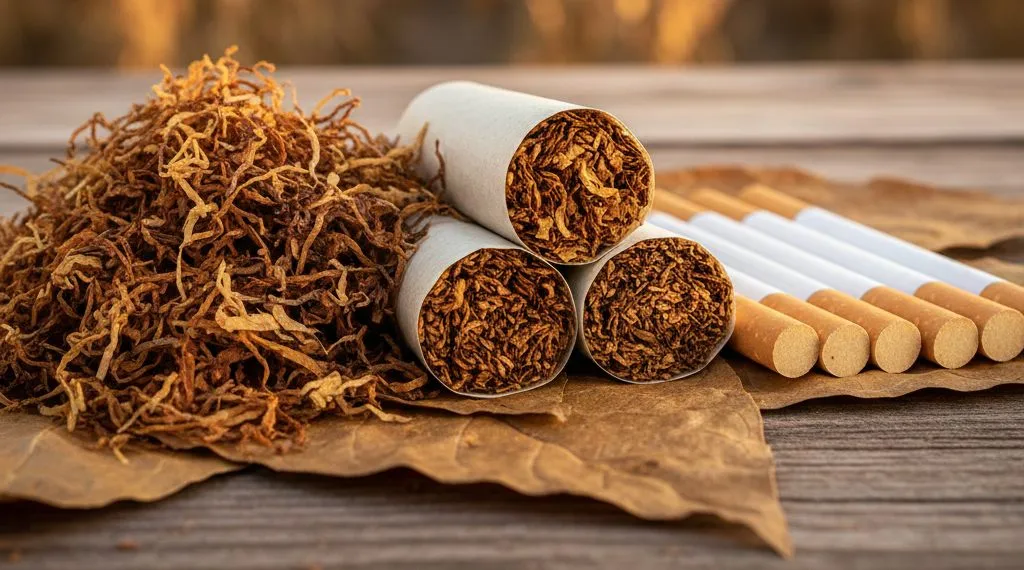


Tobacco packing plays a crucial role in ensuring that the tobacco industry remains environmentally responsible while meeting consumer demands. In the United States and Canada, sustainable tobacco packing has gained attention as brands aim to reduce their ecological footprint without compromising quality. Companies now focus on using materials and processes that minimize waste, conserve resources, and enhance the lifecycle of tobacco products.
Sustainable tobacco packing does more than just protect the product—it impacts the entire tobacco supply chain, from tobacco harvesting to tobacco fermentation, influencing both environmental and economic outcomes.
Key Elements of Sustainable Tobacco Packing
Sustainable tobacco packing encompasses multiple strategies designed to reduce environmental impact. Companies in the USA and Canada integrate several critical elements to achieve sustainability.
1. Eco-Friendly Materials
Brands now prefer biodegradable, recyclable, or compostable materials for tobacco wrapping. These materials break down naturally, lowering the accumulation of plastic waste in landfills. Using plant-based films or paper for tobacco packing ensures that the packaging complements sustainable practices throughout the production cycle.
2. Efficient Packaging Design
Tobacco packing requires designs that reduce excess material while maintaining product integrity. Compact designs minimize transportation volume, which in turn reduces fuel consumption during shipping. Optimized designs also prevent unnecessary damage, reducing product loss from tobacco drying or tobacco curing stages.
3. Reusable and Recyclable Components
Some tobacco companies incorporate reusable trays, boxes, or inserts that can be returned for multiple uses. This approach not only cuts down on waste but also encourages a circular economy in tobacco packaging.
Sustainable Practices in Tobacco Production
Sustainable tobacco packing cannot function independently; it relies on environmentally conscious practices in earlier stages of tobacco processing.
| Stage | Sustainable Approach |
|---|---|
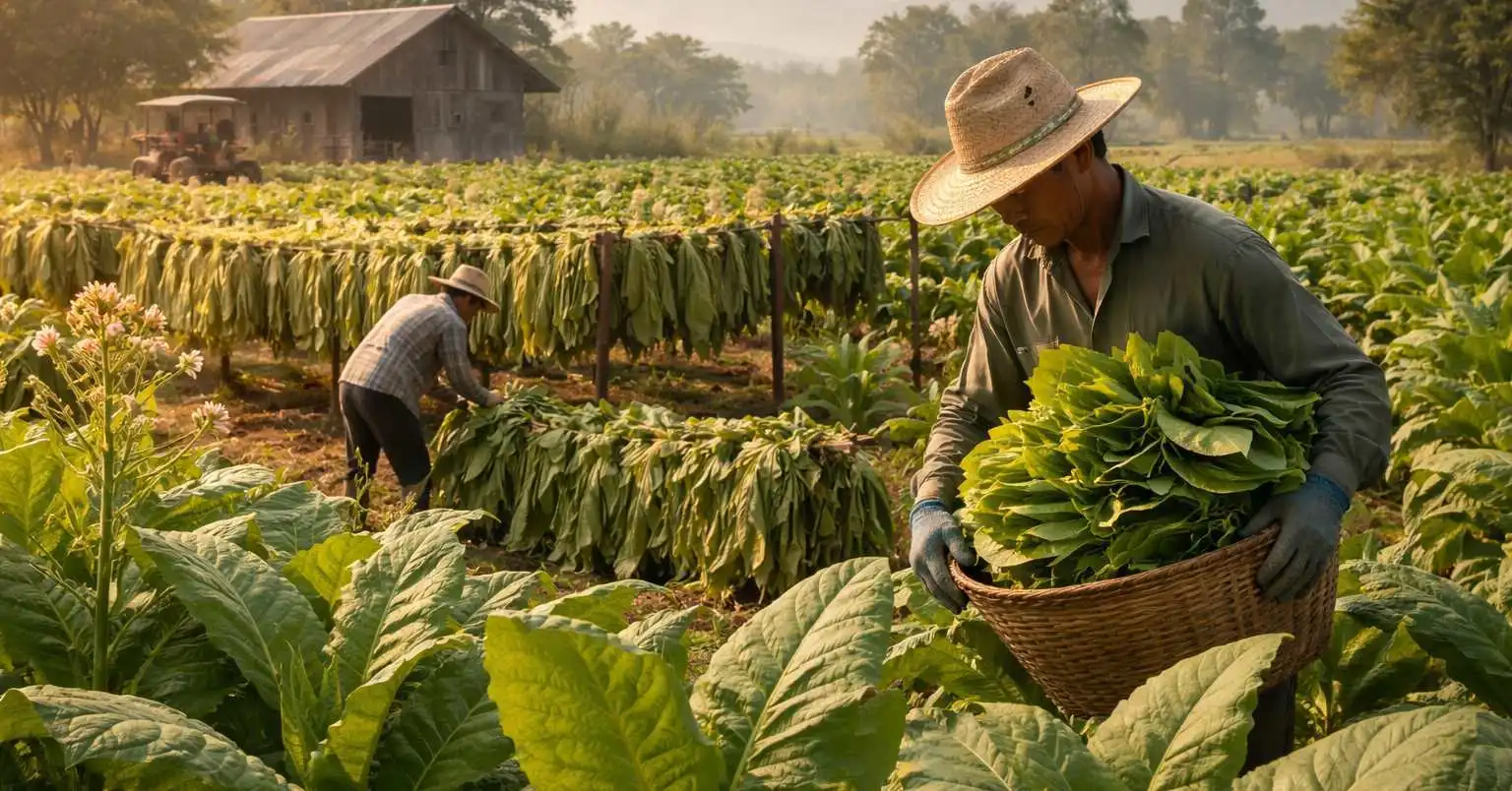
| Tobacco Harvesting | Implementing soil-friendly methods, reducing chemical use, and ensuring worker safety |
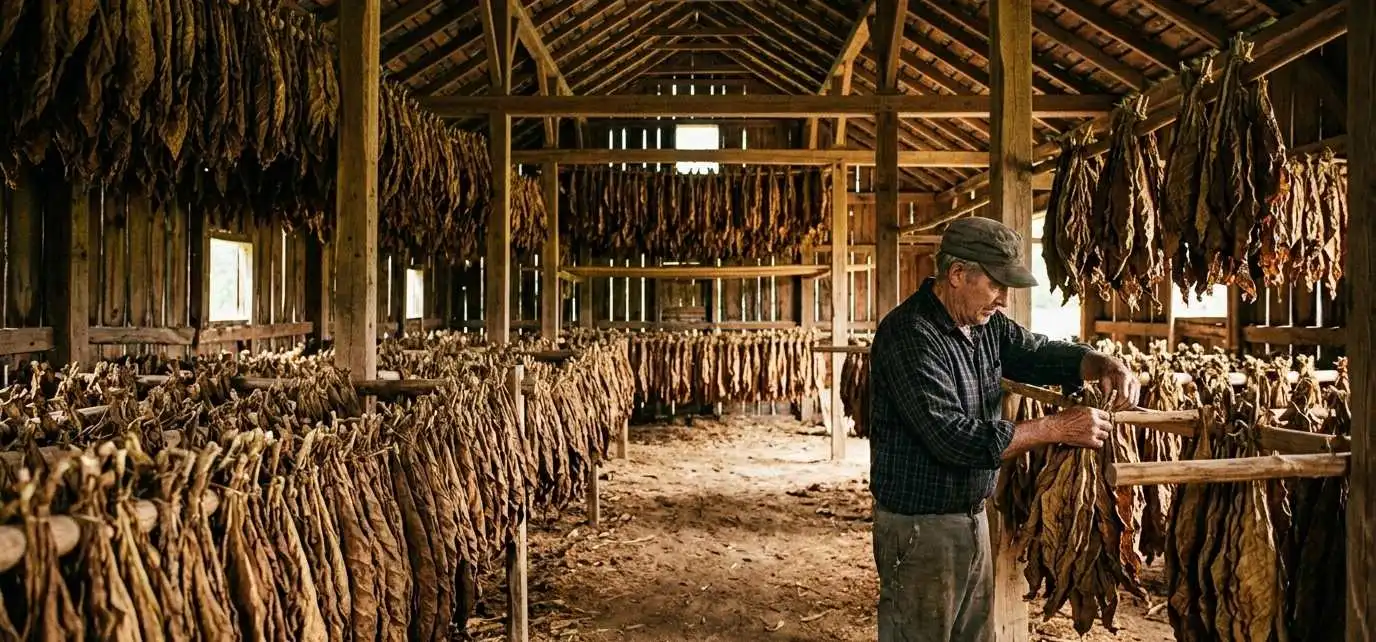
| Tobacco Curing | Using energy-efficient curing barns or solar-assisted methods |
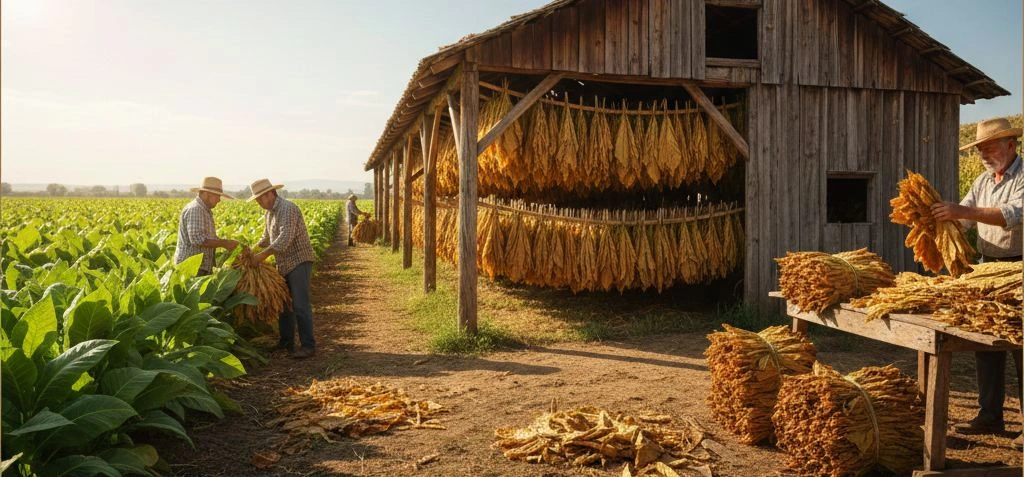
| Tobacco Drying | Employing low-emission drying systems to conserve energy |
| Tobacco Fermentation | Monitoring fermentation conditions to optimize quality and reduce waste |
These practices ensure that tobacco entering sustainable packing systems has already minimized its ecological footprint. In the USA and Canada, several farms now use renewable energy and water-efficient techniques during tobacco curing and drying, complementing eco-friendly tobacco wrapping.
Innovations Driving Sustainability
Tobacco packing in modern markets benefits from technological innovations that enhance sustainability. Automation and smart machinery help reduce material waste during the packing process, while machinery calibration ensures each pack maintains optimal quality. Tobacco machinery suppliers in North America have developed advanced systems specifically designed to support eco-friendly packing operations.
Other innovations include:
- Plant-based films for tobacco wrapping that replace synthetic plastics.
- Water-based inks for labeling, minimizing chemical pollutants.
- Modular packaging systems that allow easier recycling and material separation.
These advancements help reduce overall environmental impact, aligning with regulations and consumer expectations in the USA and Canada.
Consumer Influence on Sustainable Tobacco Packing
Consumer demand increasingly drives sustainability in tobacco packing. Smokers in North America prefer products with eco-conscious packaging, prompting brands to adopt recyclable, biodegradable, or reusable solutions. Transparent labeling that communicates sustainable practices also enhances brand loyalty.
Marketing sustainability involves highlighting methods like energy-efficient tobacco drying or environmentally friendly tobacco fermentation, demonstrating that sustainability extends beyond the packaging itself.
Challenges in Sustainable Tobacco Packing
Despite advances, tobacco packaging faces some hurdles:
- Cost of Materials: Biodegradable or plant-based wrapping materials can be more expensive than traditional plastics.
- Compatibility with Storage: Sustainable materials must still protect tobacco during curing, drying, and fermentation without affecting quality.
- Consumer Awareness: Educating customers about sustainable tobacco packaging benefits remains a challenge in some regions.
Companies in the USA and Canada continue to invest in research to address these challenges while keeping tobacco packing environmentally responsible.
Benefits of Sustainable Tobacco Packing
Adopting sustainable tobacco packing offers multiple advantages:
- Environmental Protection: Reduces landfill waste and energy consumption.
- Economic Efficiency: Optimized packing designs reduce transportation costs.
- Brand Image: Eco-conscious packaging strengthens brand reputation.
- Regulatory Compliance: Meets increasingly strict environmental regulations in the USA and Canada.
These benefits reinforce why sustainable tobacco packaging has become a critical focus for producers.
Future Trends in Sustainable Tobacco Packing
Sustainability in tobacco packing will continue evolving, with trends including:
- Increased use of fully compostable tobacco wrapping.
- Greater reliance on renewable energy during curing and drying stages.
- Expansion of recycling programs in retail and distribution chains.
- Integration of digital tracking to monitor material lifecycle from tobacco harvesting to fermentation.
These trends suggest that sustainable practices will influence every stage of tobacco production, not just the packing phase.
FAQs
1. What is sustainable tobacco packaging?
Sustainable tobacco packaging involves using eco-friendly materials, efficient designs, and reusable components to reduce environmental impact.
2. How does tobacco wrapping affect sustainability?
Tobacco wrapping made from biodegradable or recyclable materials ensures the product’s packaging does not harm the environment.
3. Does sustainable tobacco packaging impact tobacco quality?
No, it maintains quality while reducing environmental footprint, especially when combined with sustainable tobacco curing, drying, and fermentation practices.
4. Are sustainable packing practices common in the USA and Canada?
Yes, many brands now adopt eco-friendly packing and production methods to meet consumer demand and regulatory standards.
5. What role do tobacco machinery suppliers play in sustainability?
Suppliers provide equipment designed to minimize material waste and support eco-friendly tobacco packaging processes.
6. Can sustainable packaging be reused?
Yes, some companies design packaging components to be reused or easily recycled, supporting a circular economy.
Sustainable tobacco packing represents a significant shift in the tobacco industry across the USA and Canada. By integrating eco-friendly materials, efficient designs, and responsible production practices like tobacco harvesting, curing, drying, and fermentation, brands reduce their environmental impact while maintaining product quality. Forward-thinking companies continue to innovate, ensuring that sustainable tobacco packaging will remain an essential component of the industry’s future.