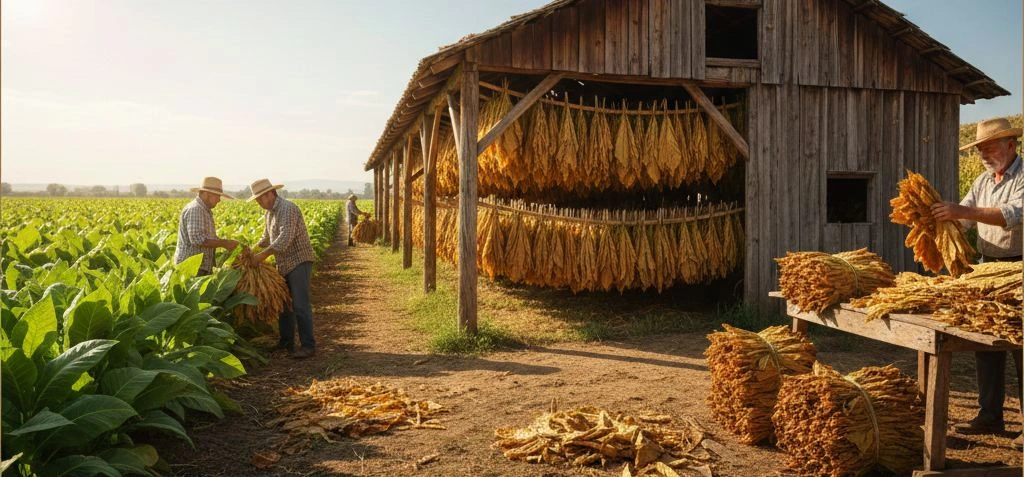

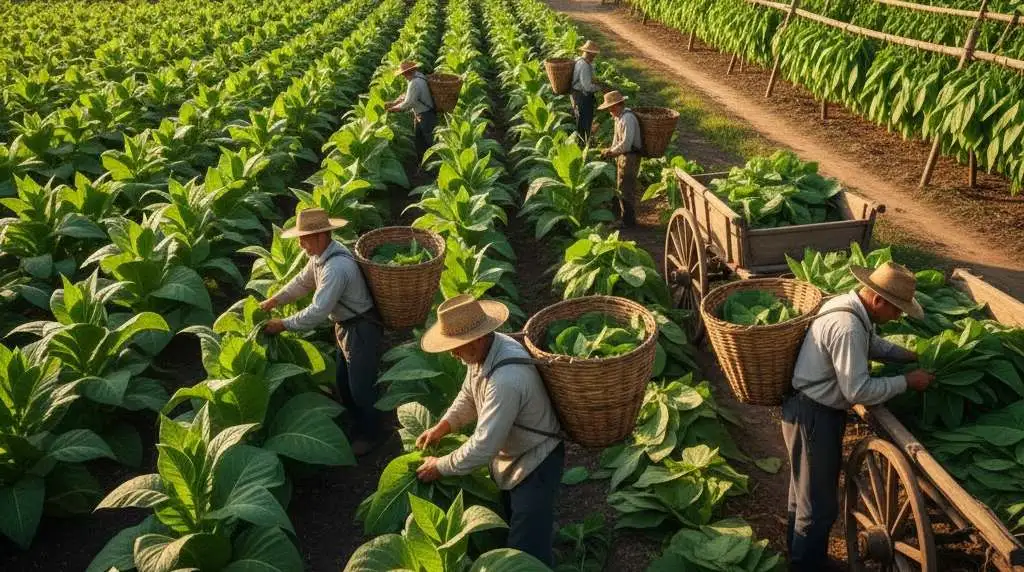
When it comes to tobacco farming, finding the best tobacco machinery suppliers in USA can make a huge difference in productivity and quality. Tobacco farming is more than just a crop; it’s a tradition that combines skill, patience, and innovation. Farmers in the USA and Canada follow time-honored techniques while adopting modern practices to ensure high-quality tobacco production.
Understanding Tobacco Farming
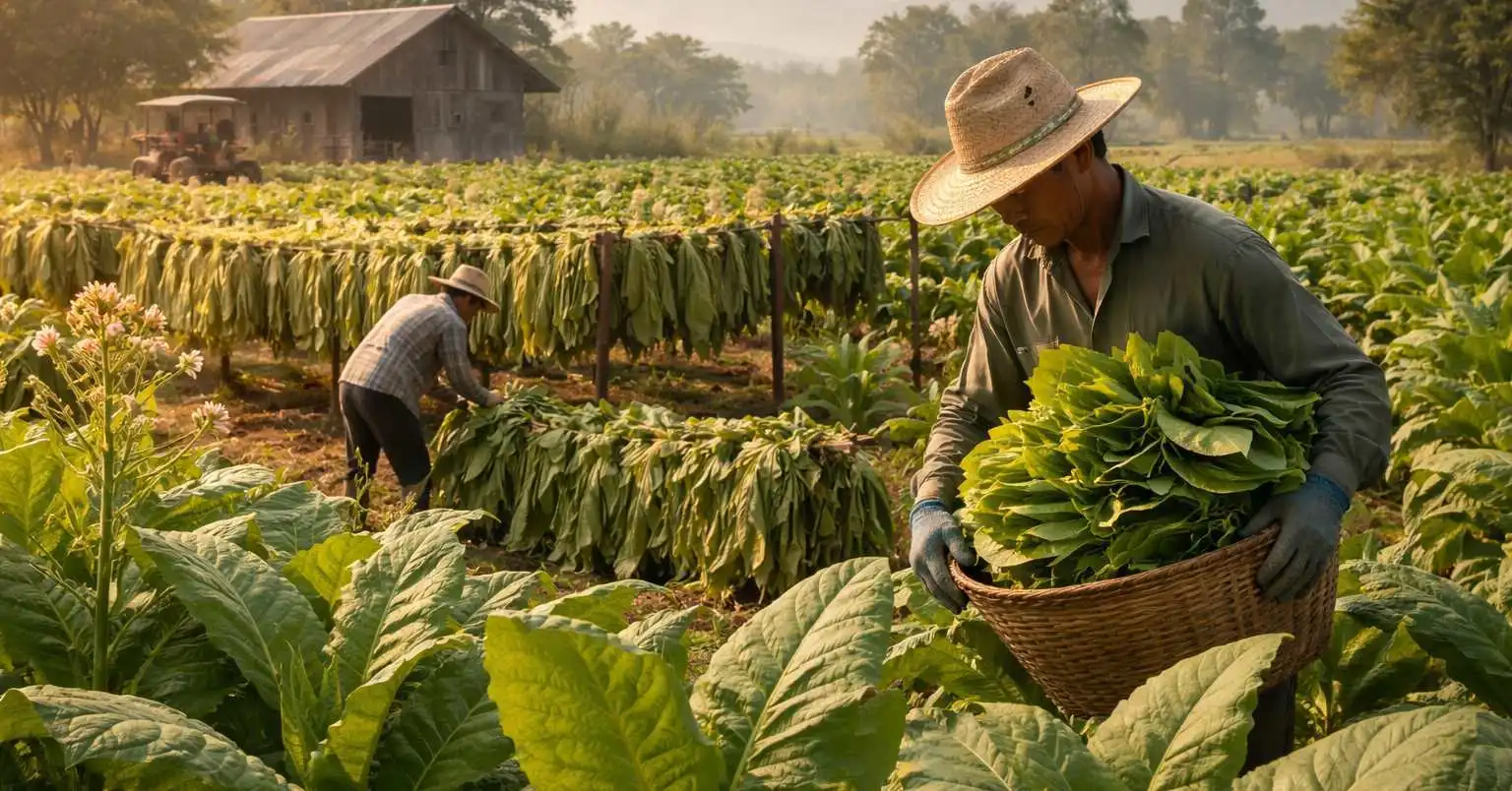
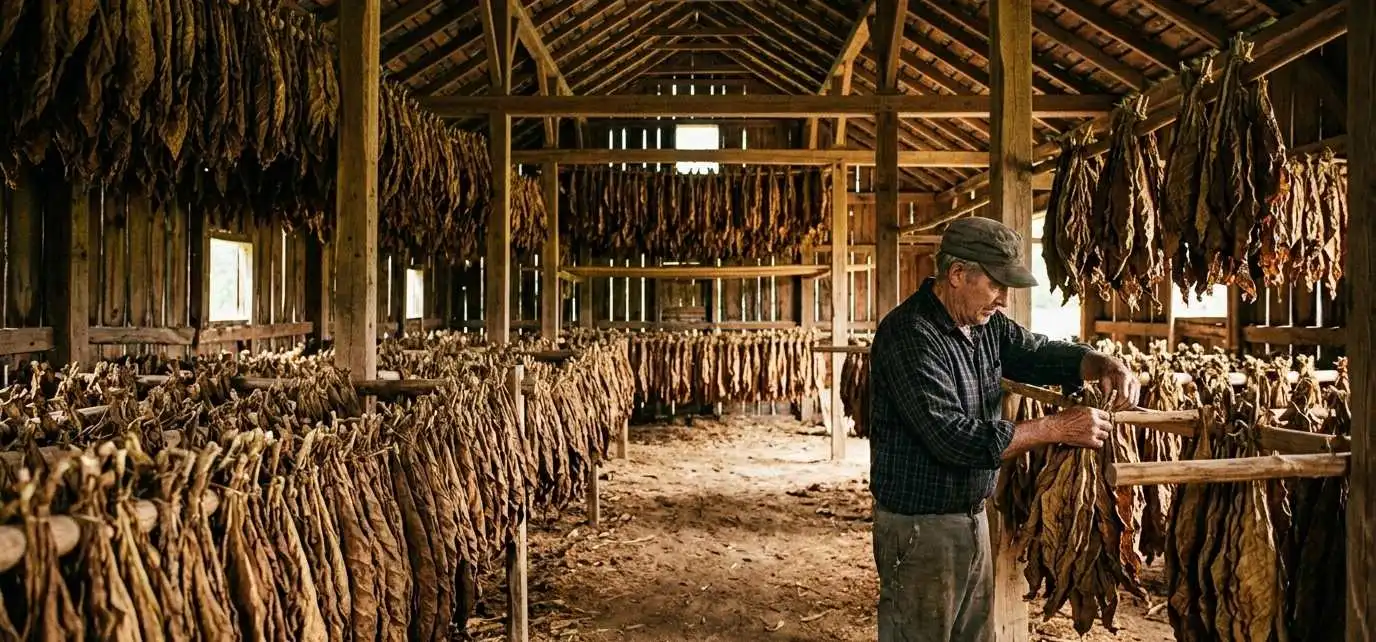
Tobacco farming requires careful attention at every stage, from soil preparation to harvesting. Farmers prepare the fields meticulously, selecting the right soil and climate conditions for optimal growth. In regions across the USA and Canada, farmers maintain traditional crop rotation practices, which keep the soil fertile and productive.
Efficient handling of tobacco waste plays a key role in sustainable farming. Farmers recycle this waste or use it as compost, reducing environmental impact and enhancing soil nutrition for the next crop cycle.
Modern Techniques in Tobacco Farming
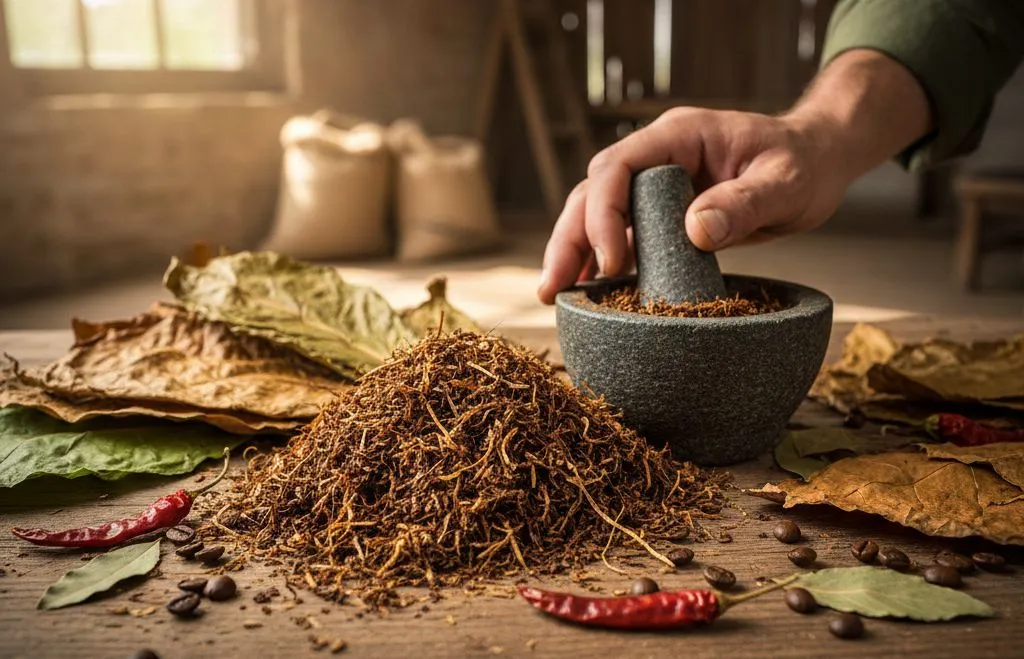
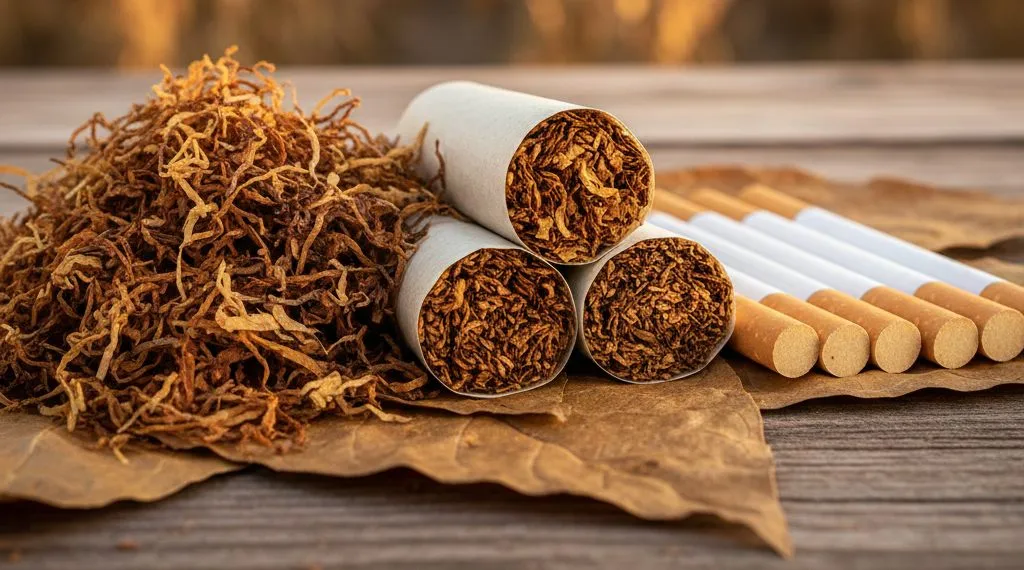
While traditions remain strong, modern tobacco processing machines help farmers increase efficiency. Equipment like tobacco leaf shredding machines and tobacco chopping machines streamline the post-harvest process, making it faster to prepare tobacco for sale or manufacturing. Additionally, tobacco feeders ensure even distribution during processing, while tobacco filling machines enhance packaging efficiency.
These techniques combine to reduce labor intensity and improve output quality, allowing farms in the USA and Canada to meet high market demands.
Table: Key Steps in Tobacco Farming
| Step | Description |
|---|---|
| Soil Preparation | Plowing, fertilizing, and preparing the land for planting |
| Planting | Using seedlings or direct seeding depending on the region |
| Irrigation | Regular watering and maintaining soil moisture levels |
| Pest and Disease Control | Using safe methods to protect crops |
| Harvesting | Hand or machine-assisted collection of mature leaves |
| Processing | Shredding, chopping, and feeding tobacco for further use |
| Waste Management | Reusing or composting tobacco waste to enhance soil fertility |
Challenges in Tobacco Farming
Tobacco farming faces challenges like fluctuating market prices, climate changes, and pest infestations. Farmers in the USA and Canada continuously adopt better techniques and tools to manage these risks effectively. Using innovative machines reduces dependency on manual labor and increases consistency in crop quality.
FAQs
Q1: How does tobacco farming differ between the USA and Canada?
A1: The climate and soil conditions vary, which affects planting schedules, irrigation practices, and harvesting times. However, both regions follow traditional techniques complemented by modern machines for processing.
Q2: Why is tobacco waste important in farming?
A2: Tobacco waste can be recycled or composted to improve soil fertility, reduce environmental impact, and support sustainable farming practices.
Q3: How do machines improve tobacco farming?
A3: Machines help in shredding, chopping, feeding, and filling, reducing manual labor, improving efficiency, and ensuring consistent quality in harvested tobacco.
Q4: Can small farms afford modern tobacco machinery?
A4: Yes, many suppliers in the USA and Canada provide options suitable for small-scale farmers, ensuring they can improve efficiency without high costs.
Q5: What are the key benefits of modern tobacco processing techniques?
A5: They enhance production speed, maintain consistent quality, reduce labor needs, and allow farmers to handle waste efficiently.
Conclusion
Tobacco farming blends age-old traditions with modern techniques to deliver high-quality crops. Farmers in the USA and Canada continue to evolve their practices, balancing sustainable methods with innovative machinery. By managing tobacco waste, using tobacco processing machines, and relying on reliable suppliers, tobacco farming remains a vital and thriving agricultural practice.