
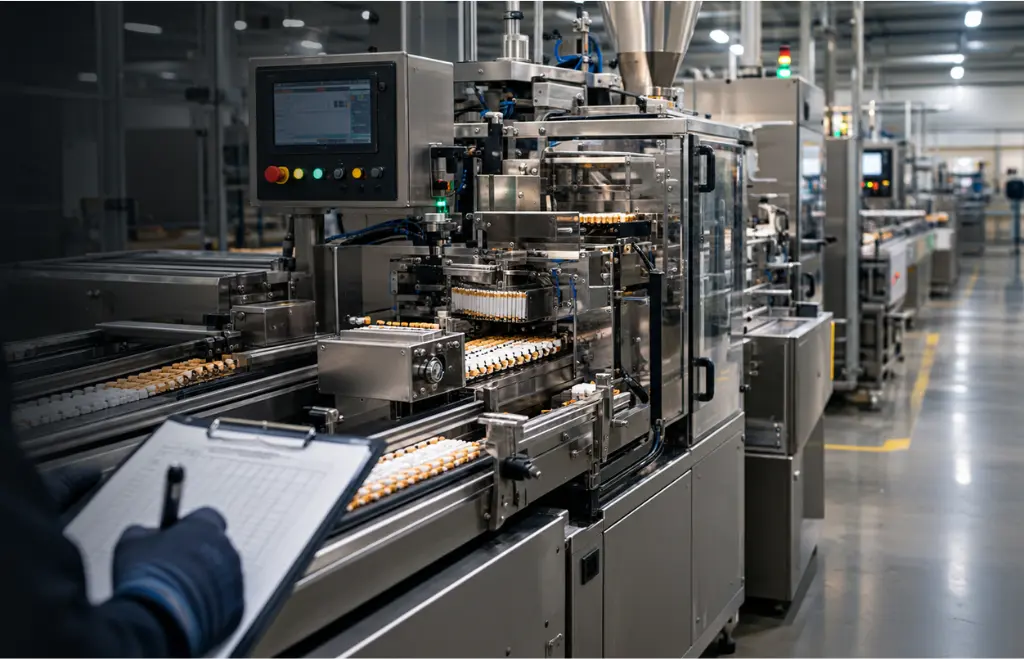
How to Choose the Right Cigarette Manufacturing Machine for Your Production Line
Buying a cigarette manufacturing machine on rated speed and price alone is how factories end up with equipment that looks right on paper and causes problems the moment it hits the production floor. Speed and price are two data points. The actual decision involves matching a machine to your real production scale, your existing line, and how you plan to run it day to day. This guide walks through the framework, not just the checklist.
Start With Your Actual Scale, Not Your Ambitions
Cigarette manufacturing machines span a wide range, from semi-automatic setups running in the low thousands of cigarettes per minute up to fully automatic lines rated well above 8,000 cpm. Semi-automatic and lower-output configurations tend to suit smaller operations, startups, and facilities still refining their product before scaling up. Fully automatic, higher-speed lines fit large commercial manufacturers running consistent, high-volume output.
The mistake worth avoiding is buying for where you hope to be in three years rather than where your production actually sits today. A machine rated well above your real output doesn't just cost more upfront. It sits underutilized, and the premium you paid for that unused capacity never gets recovered. On our own cigarette manufacturing machines range, rated speed spans from around 1,800 cpm on the Mark 8 Post-64 up to 8,000 cpm on the Protos 80 ER, and the right one depends entirely on matching that number to your actual target output, not the highest figure available.
Sustained Speed Matters More Than Peak Speed
A rated speed on a spec sheet describes what a machine can hit, not necessarily what it holds. Ask what speed a machine realistically sustains across a full production shift, not just its peak figure. A machine that reaches its rated speed for an hour and then drops off under continuous operation is a different piece of equipment than one that holds steady output for eight or ten hours straight, even if both list the same number on paper.
This is a harder question to answer from a spec sheet alone, which is part of why documented inspection and service history matters more on a used machine than the headline speed figure. If a seller can't speak to how a specific unit performs over a full shift, that's worth pressing on before you commit.
Confirm It Actually Fits Your Existing Line
A cigarette manufacturing machine doesn't operate in isolation. It feeds into filter attachment, on platforms like the Hauni KDF-1 and KDF-2, or the Molins PM-5, and its output has to match what your downstream packing equipment can actually handle. Before finalizing a purchase, map out exactly how the machine will connect to the rest of your setup. Check that your target machine's rated output is compatible with your packing line's input requirements, not just that both numbers sound high. A maker that outproduces your packer doesn't increase your finished output. It just creates a backlog at the next station.
If you're building out a full line rather than replacing one machine, this is where planning across stages together, rather than buying the fastest option at each individual stage, actually pays off. Our filter making machines and box wrapping machines ranges cover the stages on either side of manufacturing if you're planning a full line rather than a single replacement.
Platform Choice Shapes Long-Term Ownership
Which platform you choose affects more than day-one performance. It determines what your parts ecosystem looks like for the life of the machine, how maintenance is typically handled, and how easily you can source support if you're standardizing a full line on one manufacturer versus mixing platforms.
Hauni's Protos line, the Protos 70 and Protos 80 ER, runs on a shared mechanical design differing mainly in rated speed. Molins' Mark series spans a wider range on one underlying platform, from the Mark 8 Post-64 and Mark 8D Max 15 through the Mark 9 Max S and Mark 9.5 Max S. This is a decision worth making deliberately rather than defaulting to whichever machine happens to be available first, particularly if you're planning to expand your line over time.
Decide How Much Format Flexibility You Actually Need
Some platforms handle a wider cigarette format range with less tooling work than others. The Mark 8D Max 15, for example, covers king size through nano through its infeed unit rather than requiring a full parts swap for each size, which suits a factory running a genuinely mixed format lineup. If your production runs one stable format, paying for that flexibility adds cost without adding value. Be specific about your actual format mix, not your hypothetical one, before weighing this into the decision.
Verify the Control and Weight Systems, Not Just the Mechanics
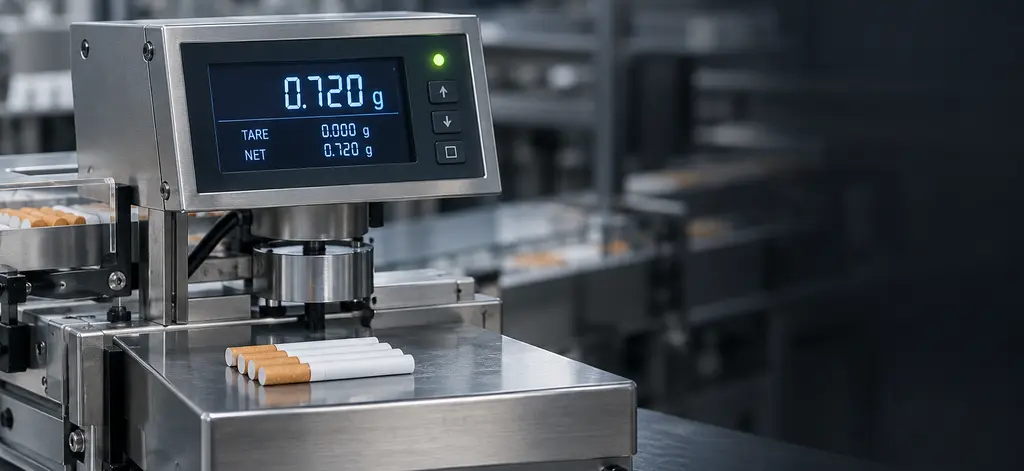
A machine's control system, whether that's microwave weight control on the Protos platforms or laser circumference control on filter machines like the KDF-1 and KDF-2, determines how consistently it holds spec over a long run. This is a separate question from whether the machine runs at all, and it's easy to overlook when you're focused on mechanical condition. Before buying a used machine, it's worth understanding how to evaluate its weight control system specifically, since a control system that's drifted without documentation is a real, if invisible, risk.
Think About Spare Parts Before You Need Them
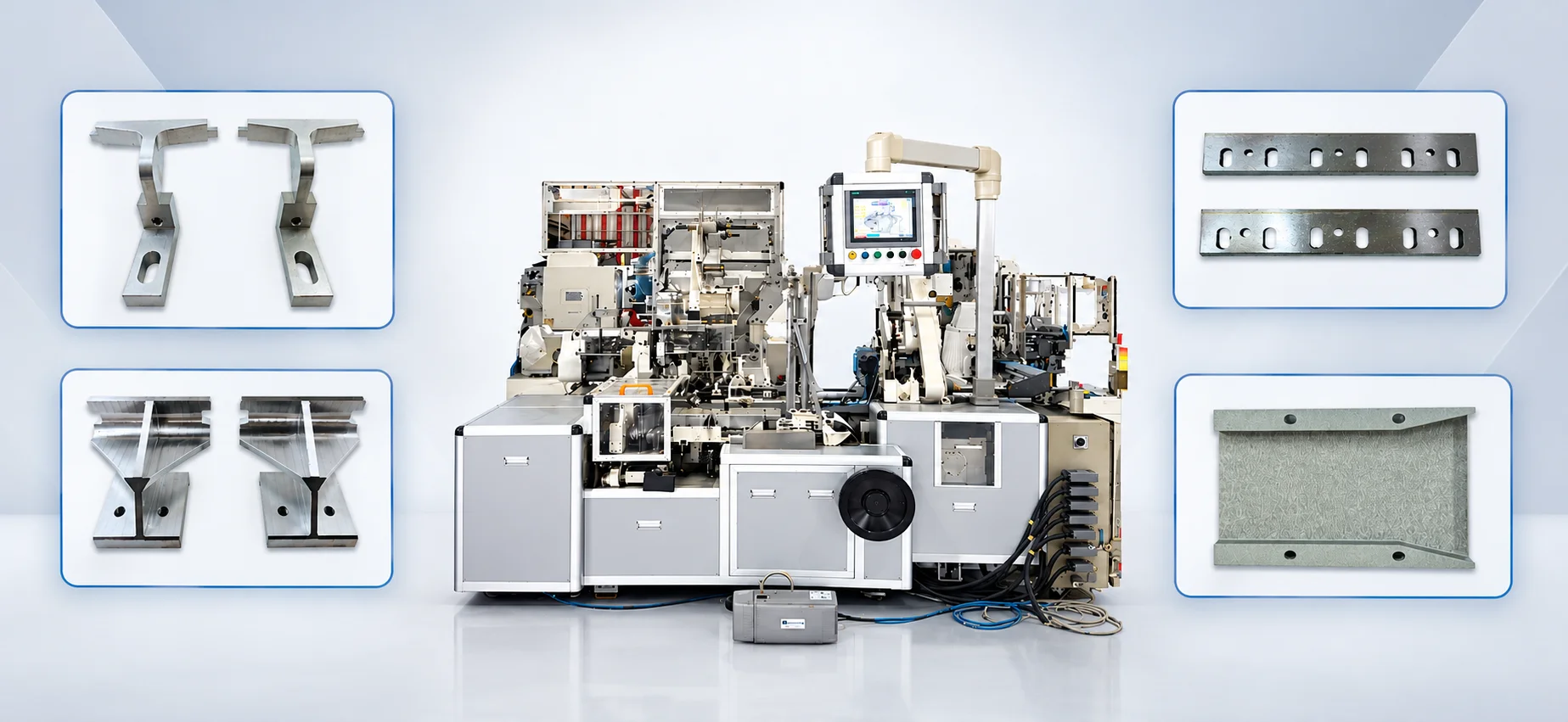
Every machine eventually needs a replacement part, and how easily you can get one depends heavily on the platform's age, the control system fitted, and whether OEM or aftermarket sources exist for that specific unit. This is worth assessing before you buy, not after something breaks. We've covered what to check for spare parts availability in more depth if you want the full framework, but at minimum, confirm the platform is still actively supported and ask what's involved in sourcing parts for the specific control system fitted to the unit you're considering.
Due Diligence Specific to Buying Used
If you're buying a used or reconditioned machine rather than new, a few checks matter beyond general condition:
Request running hours and full service history. A machine with no documented history is a machine you're evaluating blind, regardless of how clean it looks.
Ask for a video of the machine running at full speed, not just powered on. A static inspection tells you less about real performance than watching it actually operate.
Treat unusually low quotes with caution. A price well below comparable listings for the same platform and speed often signals cut corners somewhere, whether that's undisclosed mechanical issues, missing documentation, or a control system nobody's verified.
Don't skip a trial run if one's available. It's a common mistake, and it's the single best way to confirm a machine performs the way its listing claims before you've committed to the purchase.
Putting It Together
None of these factors work in isolation. A machine that's perfectly sized for your output but poorly matched to your existing line creates a new bottleneck. A well-documented machine on an unsupported platform leaves you exposed the first time something needs replacing. The right choice comes from weighing scale, integration, platform, format needs, and documentation together, not from optimizing for the single most impressive number on a spec sheet.
If you're ready to compare specific machines rather than just the framework, our full cigarette manufacturing machines range lists rated speed, format range, and control system for every unit we carry.
Frequently Asked Questions
What's the most common mistake buyers make when choosing a cigarette manufacturing machine?
Buying for anticipated future volume rather than current actual output, and focusing on peak rated speed without asking whether that speed holds up over a full production shift.
How do I know if a machine will integrate with my existing packing line?
Confirm the maker's rated output is compatible with your packing equipment's input requirements, and check physical details like conveyor height and format before finalizing a purchase.
Does platform choice (Hauni vs. Molins) really matter if I'm only buying one machine?
It matters less for a single isolated purchase, but more if you're planning to expand your line over time, since standardizing on one platform simplifies parts sourcing and maintenance across multiple machines.
What should I ask for when buying a used cigarette manufacturing machine specifically?
Running hours, full service history, a video of the machine at full speed, and if possible, a trial run before committing. Be cautious of quotes significantly below comparable listings.

Looking for Cigarette Machinery?
Browse our current inventory of manufacturing, filter making, packing, and wrapping equipment, or send us your target speed and format for a fast quote.