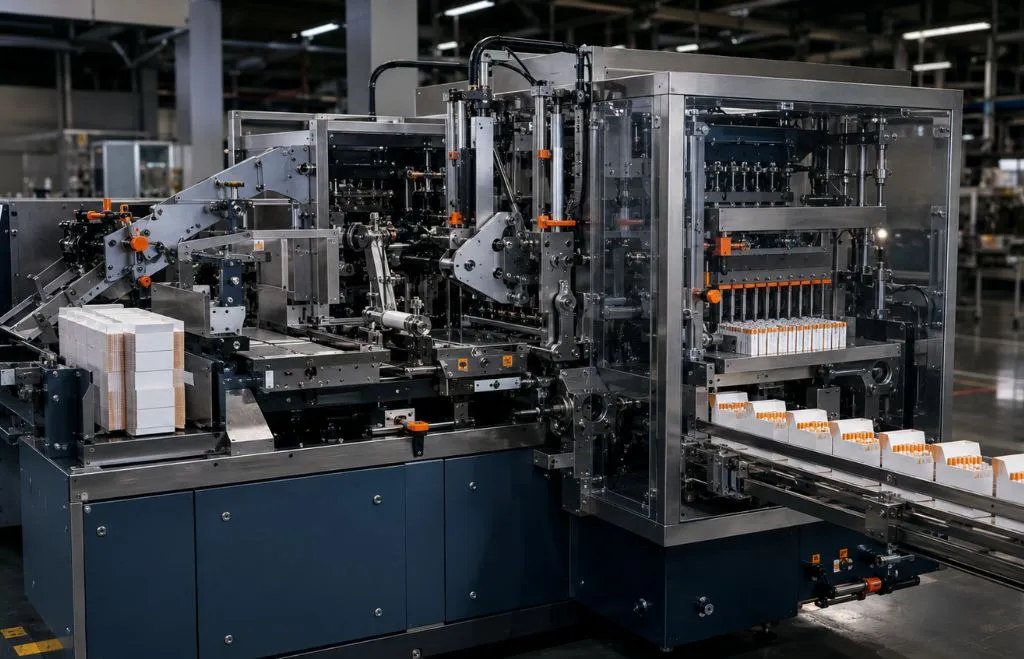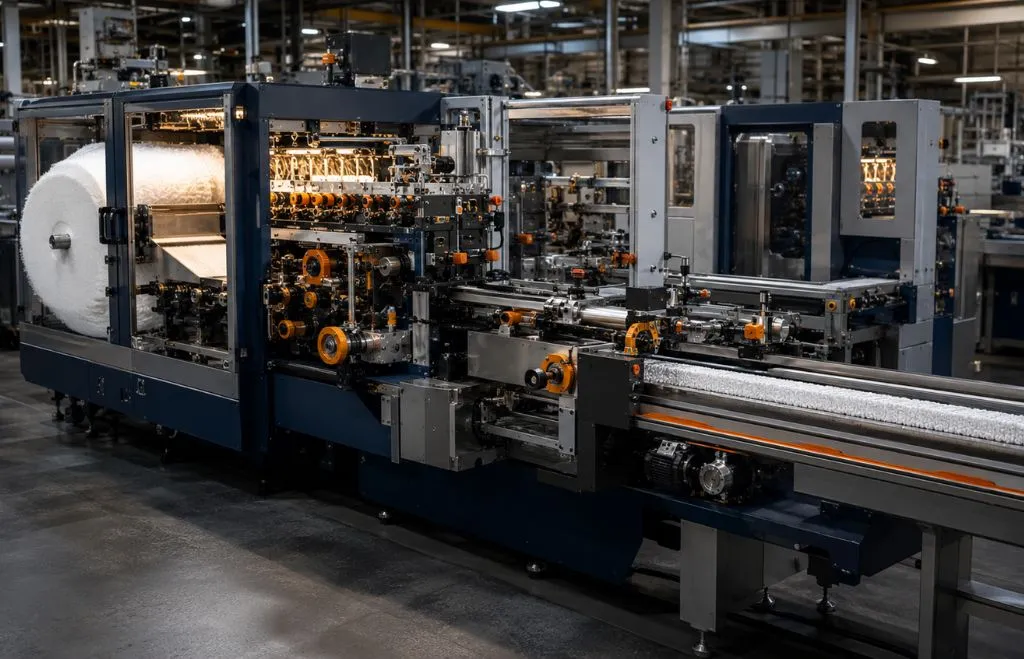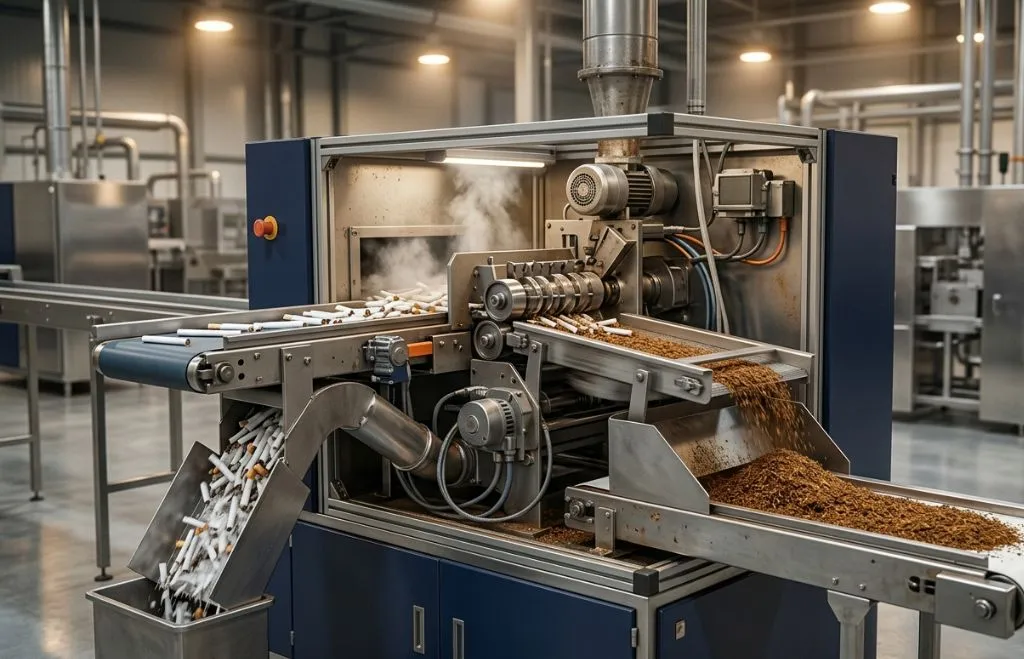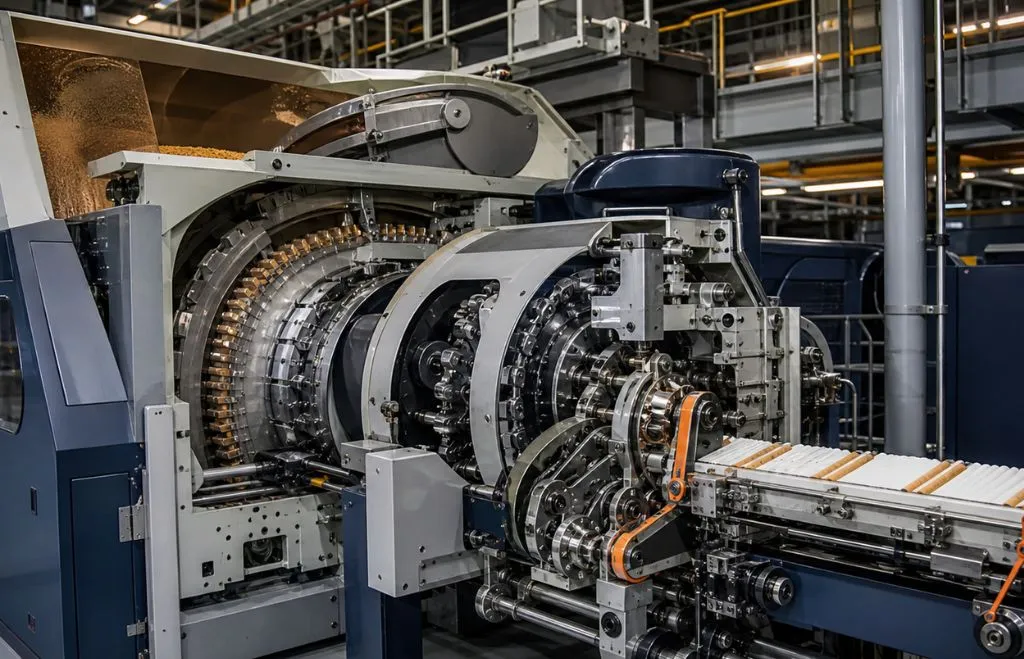
Cigarette manufacturing in the USA has gone through one of the most dramatic industrial transformations of any consumer product in history. What began as a purely manual process in small urban workshops during the mid-1800s eventually became one of the most automated and high-speed manufacturing operations in the world. Understanding how this transformation happened gives important context to anyone involved in the cigarette machinery business today, whether they are sourcing equipment for a new factory or evaluating refurbished machines for an existing production line.
The Hand Rolling Era
Before any machinery existed, every cigarette sold in the United States was made by hand. Skilled rollers working at full pace could produce around two hundred cigarettes in a single day. That ceiling on daily output created a serious bottleneck as consumer demand for cigarettes grew steadily through the 1860s and 1870s. Cigarettes were considered a premium tobacco product during this period precisely because they were labor intensive to produce. The economics of scaling production were extremely difficult given that every additional unit of output required an additional unit of skilled human labor.
The entire cigarette industry in the USA during the 1870s was concentrated in a small number of workshops, most of them in New York City, employing hand rollers who had spent years developing their craft. Quality varied from roller to roller, production volumes were low relative to demand, and the industry had no obvious path to the kind of mass production scale that was already transforming other manufacturing sectors.
The Bonsack Machine Changes Everything
The single most consequential moment in the history of American cigarette manufacturing came in 1880 when James Bonsack patented a cigarette making machine that could produce approximately 120,000 cigarettes in a single day. James Duke of the American Tobacco Company recognized immediately what this machine meant for the economics of cigarette production and moved quickly to adopt it across his operations.
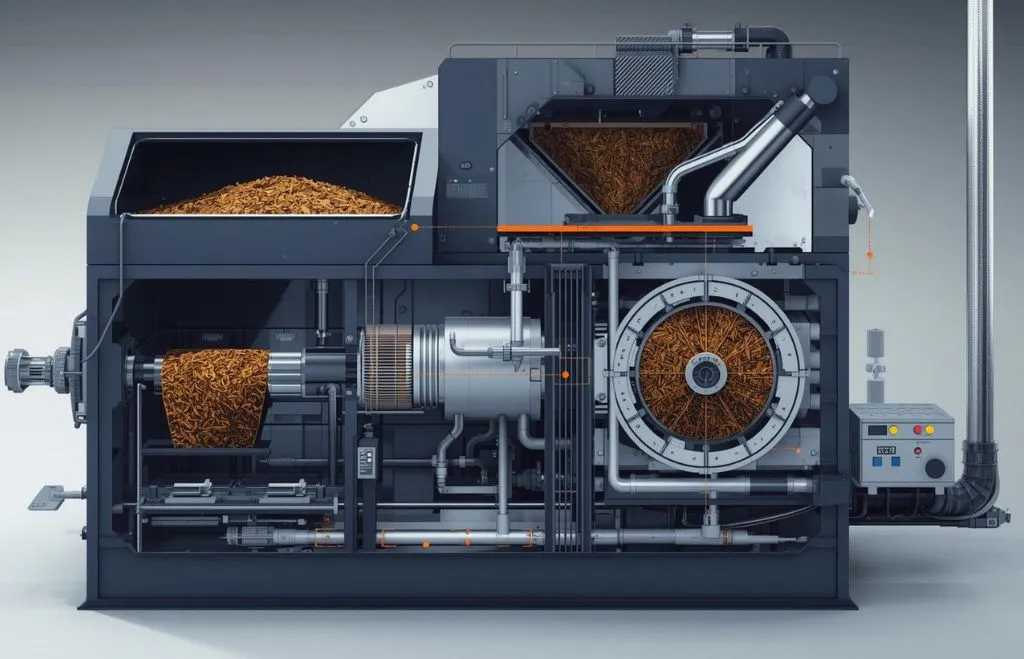
The Bonsack machine operated on a principle that every cigarette making machine built since has followed in its fundamentals. Cut tobacco was fed continuously into a paper tube formed by a garniture mechanism. The paper was sealed with adhesive along its length, the resulting continuous rod was cut into individual cigarettes at precise intervals, and the finished cigarettes were deposited into output containers without human intervention at the point of production.
The cost impact was immediate. The cost per thousand cigarettes fell by more than ninety percent within a decade of the Bonsack machine entering commercial use. American Tobacco used this cost advantage to consolidate the industry around its own operations, establishing the first genuinely industrialized cigarette manufacturing business in the United States and setting a template that manufacturers around the world would follow for the next century.
Mass Production Takes Hold
Through the first decades of the twentieth century, cigarette making machines became progressively faster and more reliable. By the 1920s the most advanced equipment was capable of producing several thousand cigarettes per minute, and the United States had established itself as the largest cigarette producing nation in the world.
The introduction of filter cigarettes in the 1950s created an entirely new set of equipment requirements for American tobacco factories. Filter cigarettes required a dedicated filter making stage, converting cellulose acetate tow into filter rods, and a tipping stage that attached the completed filter to the tobacco rod before the finished cigarette went to the packing line. This drove substantial capital investment in new machinery configurations and opened the American market to European machinery manufacturers who had developed specialist equipment for filter cigarette production.
It was during this post-war expansion period that British manufacturer Molins began establishing the presence in the American cigarette machinery market that would make its Mark series machines the dominant platform for mid-speed production for the following four decades.
The Molins Mark Series Era
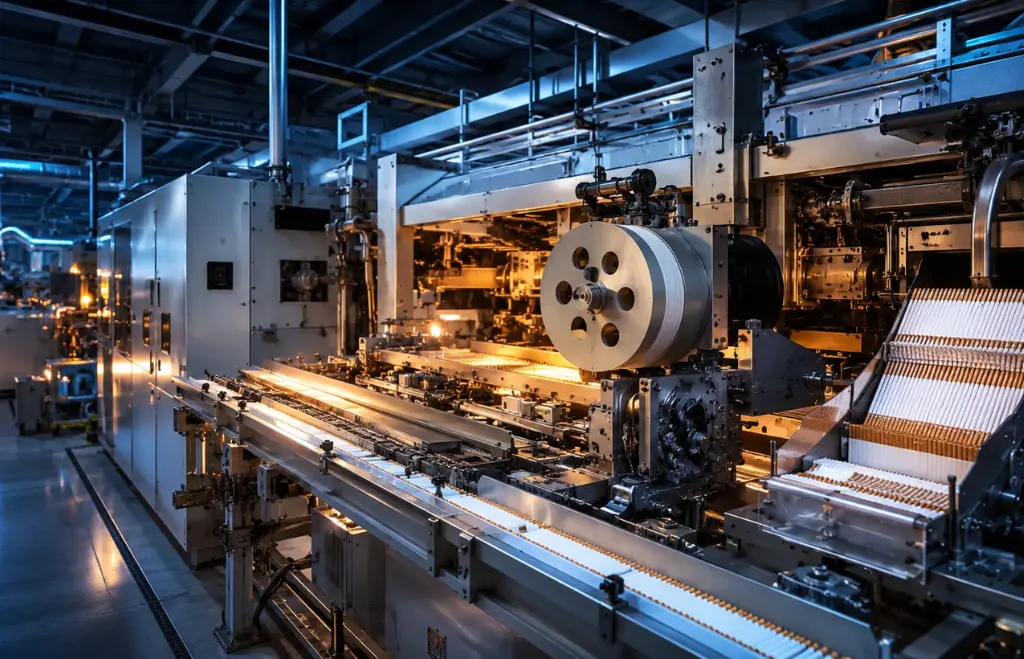
From the 1970s through the 1990s the Molins Mark series defined mid-speed cigarette manufacturing across the United States. The Mark 8, running at between two thousand and three thousand cigarettes per minute, served factories with moderate annual production targets. The Mark 9, running at five thousand to five thousand five hundred cigarettes per minute, became the standard specification for factories targeting annual outputs in the range of one to three billion cigarettes per year.
The Molins Mark series machines earned their dominant market position through mechanical reliability, a deep aftermarket parts ecosystem that made long-term operation straightforward, and genuine flexibility across different cigarette formats including standard 84mm, 100mm, slim and super slim configurations. Hundreds of Mark series machines were installed in American tobacco factories during this period and many remained in productive operation for decades.
On the packing side of the production line, Focke HLP hinge-lid packing machines became the standard equipment for hard box cigarette packing at American factories. The HLP 180, HLP 225 and HLP 250 covered the full range of packing speeds required by factories at different production scales, from 180 to 250 packs per minute respectively.
The Korber Protos Era
The early 2000s brought a significant shift in equipment investment at large American cigarette factories toward the Korber Protos platform. The Protos 70 at seven thousand cigarettes per minute and the Korber Protos 80 ER at eight thousand cigarettes per minute offered output levels well above what any Mark series machine could deliver, making them the natural specification for factories targeting annual production above three billion cigarettes.
The Protos platform brought a substantially higher level of automation and integrated quality control compared to the Mark series machines it was displacing at the top end of the market. Microwave weight control, automatic fault detection across multiple production parameters, and PLC-based control systems replaced the electromechanical controls of earlier platforms. These advances reduced the level of operator intervention required to maintain consistent cigarette quality and made the compliance documentation requirements of the American regulatory environment more manageable for factory operations teams.
The Protos 80 ER in particular became significant for American operations where regulatory scrutiny of cigarette weight consistency and quality records was tightening through the 2000s. Its Extended Range quality control integration gave factory quality teams a level of automated monitoring that earlier platforms simply could not match.
The Refurbished Machinery Market Today
The consolidation of the American tobacco industry through the 1990s and 2000s, combined with steadily declining domestic cigarette consumption, created a substantial secondary market for cigarette manufacturing equipment. As large American tobacco companies restructured their production operations and closed or consolidated manufacturing sites, high-quality used Mark series and Protos platform machines entered the global refurbished machinery market in significant numbers.
Today the refurbished cigarette machinery market serves factory operations across the United States, Middle East, Asia and Africa. A refurbished Protos 70 or Mark 9 MAX S sourced through a reputable cigarette machinery supplier delivers the same production capability as a new machine at sixty to seventy-five percent lower capital investment, making refurbished equipment the practical choice for the majority of factory buyers evaluating their options today.
The aftermarket parts ecosystems built around the Mark series and Protos platforms during their decades of active production remain deep and well-supplied. Garniture tapes, cutting blades, filter assembler components and electronic control parts are available from multiple global suppliers for both platforms, which means refurbished machines on these platforms can be maintained and operated for many years after purchase without dependency on a single parts source.
Frequently Asked Questions
When was the first cigarette making machine invented?
The Bonsack cigarette making machine was patented in 1880 by James Bonsack and first adopted commercially by James Duke of the American Tobacco Company. It produced approximately 120,000 cigarettes per day, which was around 600 times the daily output of a skilled hand roller working at full pace.
What cigarette making machines have been used in USA factories?
American tobacco factories have historically relied on Molins Mark series machines for mid-speed production and Korber Protos platform machines for high-speed production. The Mark 8, Mark 9, Protos 70 and Protos 80 ER are the most widely installed platforms in American factory operations across the past four decades.
Why does a refurbished cigarette machinery market exist in the USA?
Industry consolidation and declining domestic cigarette consumption through the 1990s and 2000s led major American tobacco companies to restructure their production operations and exit certain manufacturing sites. This released large numbers of high-quality used machines into the global market, creating an active refurbished machinery sector that continues to serve factory buyers worldwide.
What is the fastest cigarette making machine commercially available today?
The Korber Protos M5 is the fastest commercially available cigarette making machine, capable of producing up to 20,000 cigarettes per minute. For most factory operations the Protos 70 at 7,000 CPM and Protos 80 ER at 8,000 CPM remain the most practical high-speed platforms given the depth of their parts availability and refurbished market support.
Final Thoughts
The story of cigarette manufacturing in the United States is in many ways the story of industrial mechanization itself. The jump from 200 cigarettes per day per hand roller to 8,000 per minute on a modern Protos platform represents an increase in output of more than two million percent over roughly 150 years. The machines developed during the Mark series and Protos eras remain the backbone of global cigarette manufacturing today and continue to trade actively on the refurbished market, giving factory buyers access to proven production capability at a fraction of the cost of new equipment.