
Thin cigarettes have gained popularity in recent years, attracting smokers in the USA and Canada who prefer a lighter, smoother smoking experience. These cigarettes stand out due to their unique design, tobacco composition, and overall smoking characteristics. Understanding what makes thin cigarettes different helps consumers make informed choices and explore alternatives to traditional cigarettes.
The Unique Features of Thin Cigarettes
Thin cigarettes differ from regular cigarettes in several ways. The most obvious distinction lies in their size. These cigarettes typically have a slimmer diameter, which changes the airflow, burn rate, and flavor delivery during smoking. Smokers often describe the experience as lighter and less harsh compared to standard cigarettes.
Another key feature is the type of tobacco used. Tobacco packing in thin cigarette tends to be tighter to ensure a smooth burn without compromising the taste. The tobacco filler often comes from high-quality leaves that undergo careful processes, including tobacco harvesting, tobacco curing, tobacco drying, and tobacco fermentation. These steps ensure the tobacco maintains its flavor and aroma while fitting into the compact structure of thin cigarettes.
Tobacco Filler and Its Role
Tobacco filler plays a critical role in determining the smoking experience of thin cigarettes. Manufacturers select specific blends to balance taste, burn rate, and smoothness. The filler usually contains a mix of fine-cut and long-cut tobacco, designed to provide an even burn.
In the USA and Canada, tobacco suppliers emphasize sustainable and high-quality tobacco farming practices. Tobacco harvesting techniques impact the strength and flavor profile of the filler. Leaves are carefully collected, sorted, and processed through tobacco curing, tobacco drying, and tobacco fermentation stages. Each step enhances the tobacco’s natural flavor while preparing it for consistent packing.
| Process | Purpose |
|---|---|
| Tobacco Harvesting | Collect mature leaves for quality filler |
| Tobacco Curing | Enhance flavor and reduce moisture |
| Tobacco Drying | Stabilize leaves for storage and packing |
| Tobacco Fermentation | Improve aroma, smoothness, and overall smoking quality |
Tobacco Packing and Wrapping
Tobacco packing in thin cigarettes differs from regular cigarettes. The tight packing ensures the filler burns evenly, preventing tunnel burns or uneven smoking. Tobacco wrapping, typically a thin paper, plays a significant role in controlling the burn rate.
Manufacturers in the USA and Canada often focus on using high-grade wrapping papers that allow optimal airflow. A well-wrapped thin cigarette delivers consistent smoke without sacrificing flavor. In contrast, loosely wrapped cigarettes can burn too fast, creating a harsher experience.
How Tobacco Machinery Suppliers Influence Production
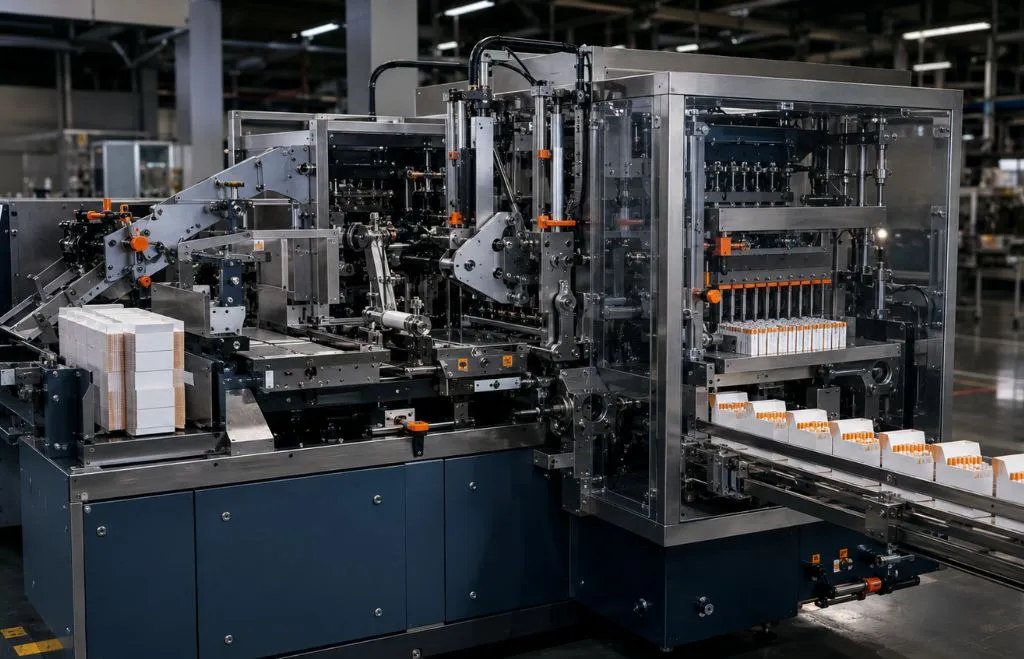
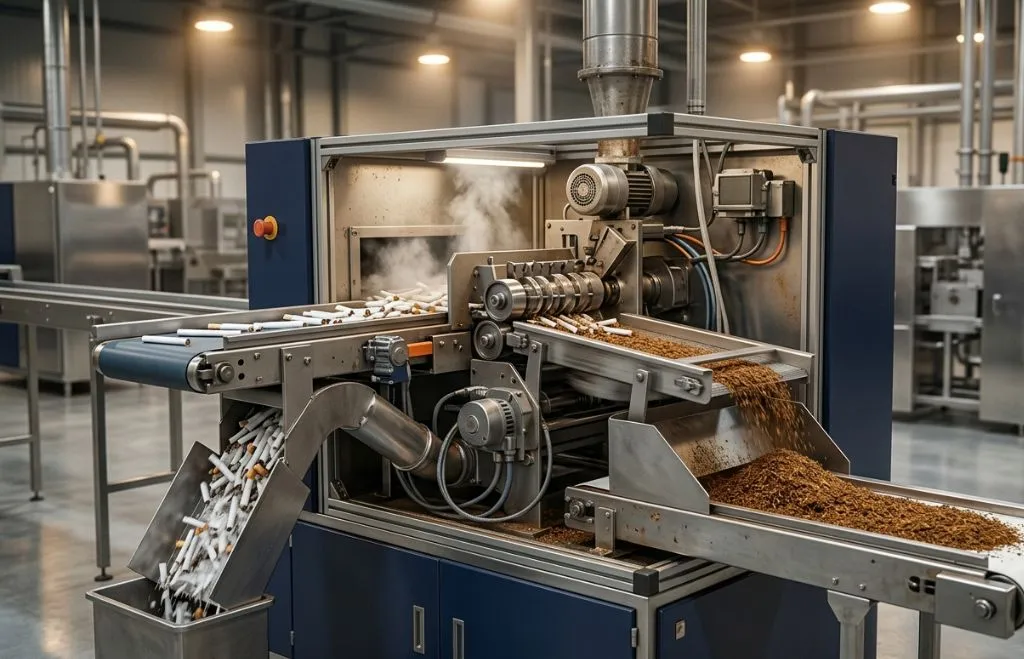
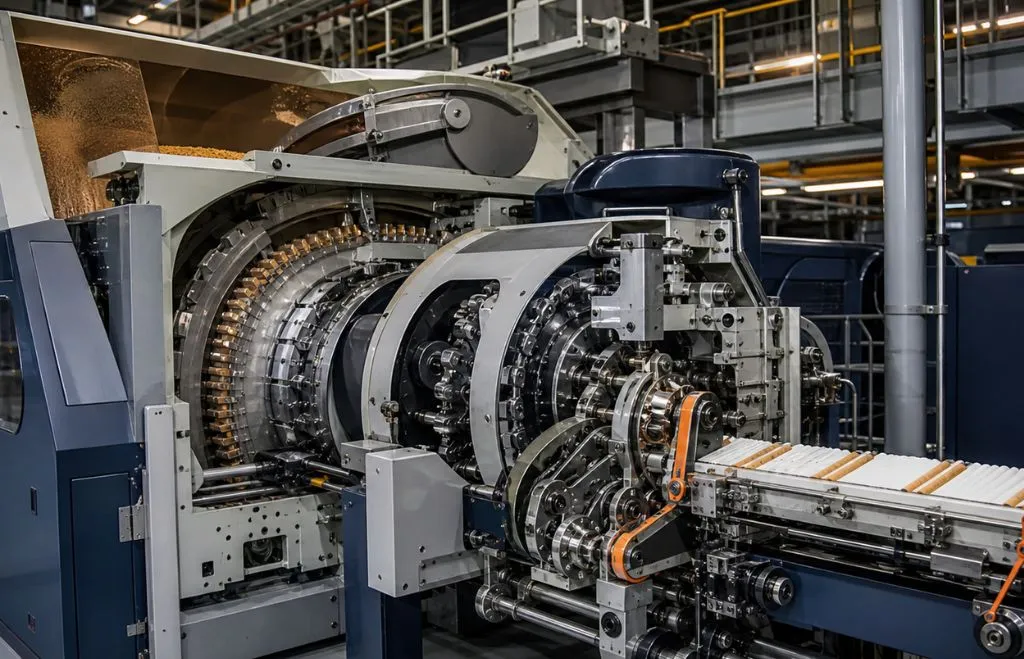
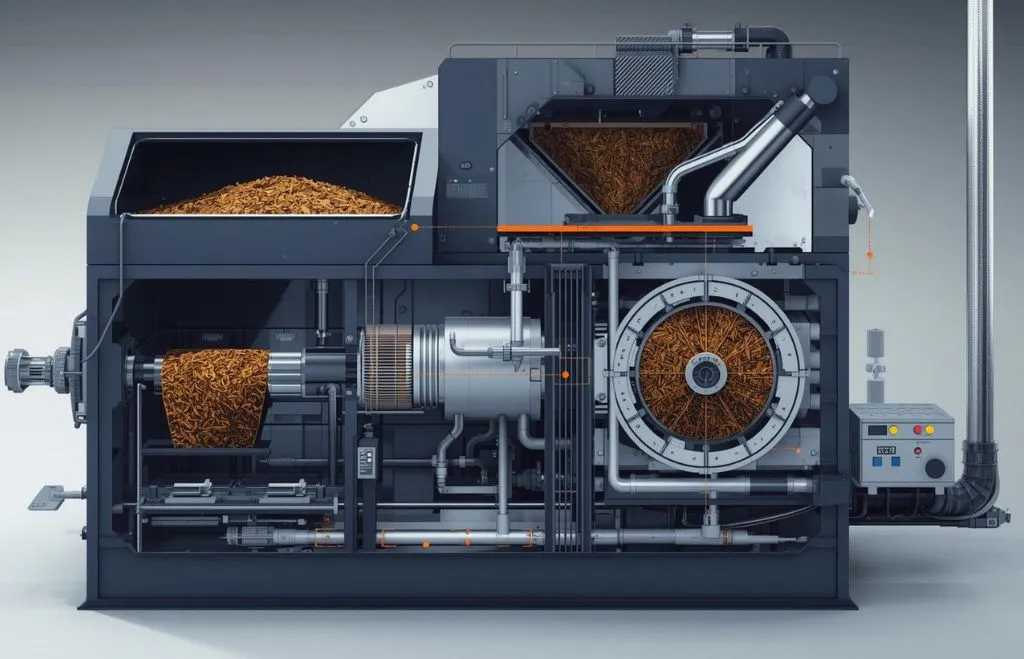
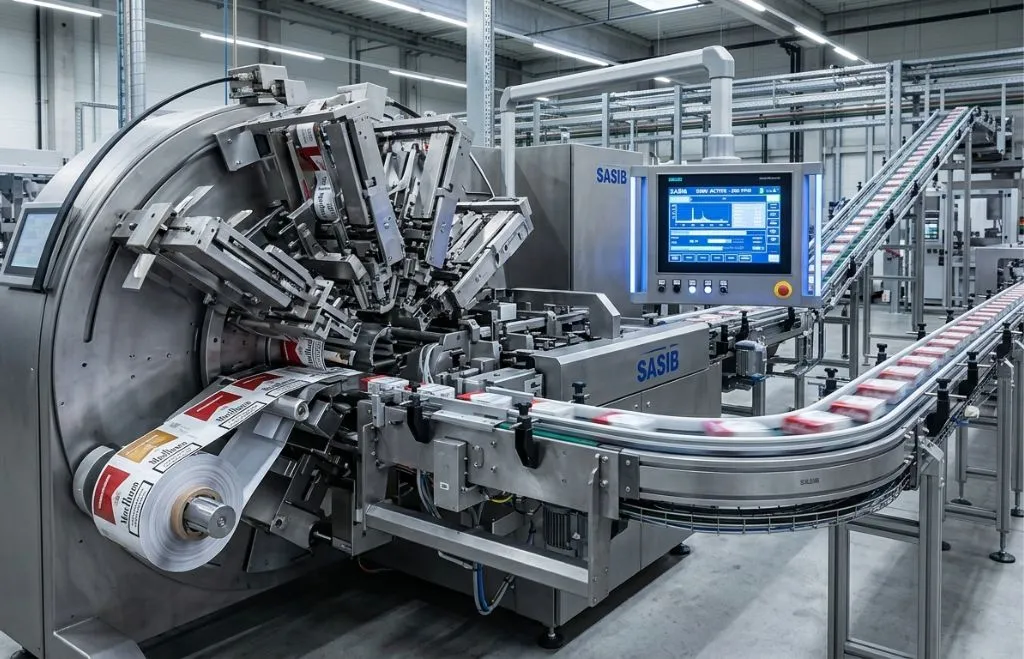
Tobacco machinery suppliers provide advanced machines that help manufacturers maintain uniformity in thin cigarette production. These machines assist in precise tobacco packing, consistent wrapping, and quality checks to ensure each cigarette meets the expected standards. While machinery doesn’t alter the tobacco itself, it ensures every cigarette delivers the intended smoking experience.
Flavor and Smoking Experience
Thin cigarettes offer a different sensory experience compared to traditional cigarettes. Smokers report a lighter inhale, smoother draw, and less pronounced throat hit. This results from the combination of tobacco filler quality, packing density, and the thin cigarette’s smaller diameter.
In the USA and Canada, several brands have successfully marketed thin cigarette by emphasizing these characteristics. Smokers looking for a less intense experience often choose these cigarettes without compromising on taste.
Health Perceptions
While thin cigarettes feel lighter and smoother, it’s essential to note that they do not eliminate health risks associated with smoking. They contain similar levels of nicotine and tar as standard cigarettes, depending on the brand and blend. Understanding the tobacco processes, like tobacco harvesting, curing, drying, and fermentation—helps smokers appreciate the craftsmanship behind the cigarette but doesn’t change its health impact.
Choosing the Right Thin Cigarettes
Selecting the right thin cigarettes involves understanding your preferences. Consider the tobacco filler, packing density, and flavor profile. Trying different brands in the USA and Canada helps identify the ones that suit your taste. Keep in mind that thin cigarette may burn faster or slower depending on their design, so adjusting smoking habits may be necessary.
Table: Thin Cigarettes vs. Regular Cigarettes
| Feature | Thin Cigarettes | Regular Cigarettes |
|---|---|---|
| Diameter | Slimmer, usually under 7mm | Standard, 7–8mm |
| Tobacco Filler | Fine-cut, high-quality | Standard blend |
| Tobacco Packing | Tighter for even burn | Looser packing |
| Burn Rate | Slightly faster | Standard burn rate |
| Smoking Experience | Light, smooth | Full-bodied, stronger hit |
| Popular Regions | USA, Canada | Worldwide |
FAQs
Q1: Are thin cigarettes less harmful than regular cigarettes?
No, thin cigarettes are not less harmful. They deliver nicotine and tar similar to regular cigarettes.
Q2: What makes the smoking experience of thin cigarette smoother?
The combination of high-quality tobacco filler, tight packing, and specialized tobacco wrapping contributes to a smoother experience.
Q3: Do thin cigarette burn faster than regular cigarettes?
Yes, due to their smaller diameter, thin cigarette often burn slightly faster than standard cigarettes.
Q4: Can I find thin cigarette easily in the USA and Canada?
Yes, thin cigarette are widely available in both regions, with multiple brands catering to different tastes.
Q5: How does tobacco fermentation affect thin cigarettes?
Tobacco fermentation improves aroma, flavor, and smoothness, enhancing the overall smoking experience of thin cigarettes.
Q6: Are there specific tobacco machinery suppliers for thin cigarette production?
Yes, specialized tobacco machinery suppliers provide machines that ensure consistent packing, wrapping, and overall quality control for thin cigarettes.
Conclusion
Thin cigarettes offer a distinctive smoking experience with a lighter, smoother draw. Their unique design, high-quality tobacco filler, and careful tobacco packing, wrapping, and fermentation processes make them stand out. Smokers in the USA and Canada can enjoy a wide variety of thin cigarette, each delivering its own flavor profile and burning characteristics. Understanding the craftsmanship behind thin cigarette, from tobacco harvesting to drying and fermentation—helps appreciate the effort put into producing each cigarette, even though the health risks remain unchanged.